'Large gaps' in care forcing road collision survivors to seek rehabilitation abroad
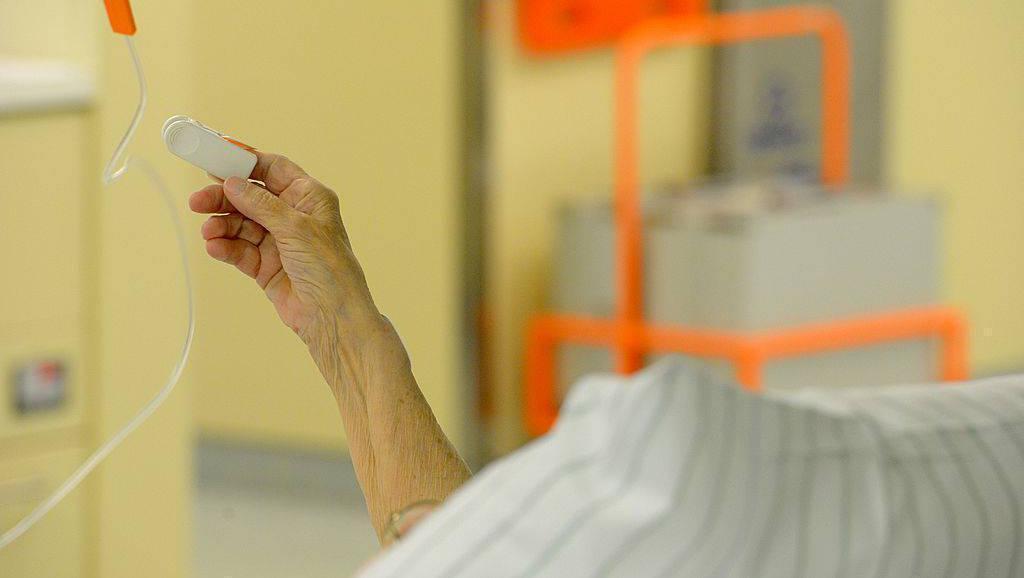
The Irish Association of Physical and Rehabilitation Medicine (IAPRM) said thousands of people each year survive road traffic collisions, but they are left with life-changing injuries that require specialist care. File Picture: PA
Survivors of road collisions are going abroad for vital rehabilitation to avoid waiting lists of up to 10 months as doctors call for urgent investment in rehab services here.
The Government has been urged to treat road injuries as “a major public health issue” amid concerns that survivors are not receiving the treatment they require.
“If I got a brain injury in the morning from a road traffic collision, I’d wait for five months inside Cork University Hospital until I got access to the National Rehabilitation Hospital," one consultant told the
The Irish Association of Physical and Rehabilitation Medicine (IAPRM) said thousands of people each year survive road traffic collisions, but they are left with life-changing injuries that require specialist care.
Dr John MacFarlane, the association's president and a consultant in rehabilitation medicine at Cork University Hospital and Mercy University Hospital, said patients are grappling with “large gaps” in care.
Read More
In addition to delays in brain injury care, spinal cord patients can wait two to three months to access the National Rehabilitation Hospital in Dublin.
“Patients are awaiting rehabilitation, sitting in acute hospital beds, and not getting the optimum treatment,” Dr MacFarlene said.
The National Rehabilitation Hospital is the only HSE centre providing the top level of specialist care, which means patients from Kerry to Donegal essentially compete for its beds.
Dr MacFarlane was recently approached by a private Greek rehab centre as word of the Irish crisis spreads.
“They heard about the five-month waiting list, and they’re trying to recruit Irish patients,” he said.
Patients can be funded for this treatment by the HSE through the cross border health directive, and Dr MacFarlane is currently supporting a patient to potentially go to Spain.
He has called on the Government to recognise that the "scale of serious injury on Irish roads demands the same level of urgency and political attention as road fatalities".
Data from the Road Safety Authority reveals there were more than 7,300 serious injuries from collisions nationally in a five-year period.
Dr Ruairi Connolly, a consultant in rehabilitation medicine, works with the trauma service based at Cork University Hospital, treating patients from across Munster.
People are more likely to survive due to improvements in emergency care, but he said: "We know people need rehabilitation, and we give them that treatment six months after they need it."
Many cannot leave hospital without rehab, he added.
“We audited this locally, and there’s approximately 80 patients here in CUH waiting to access rehabilitation,” he said.
Analysis across nine other hospitals showed similar results, which he said has a "huge impact" then on the trolley crisis, as patients take beds while waiting to be moved for rehab.
In addition to investment in specialist and community rehab, the association has called for “urgent measures” to curb the number of collisions on Irish roads.
This should include investment in road infrastructure, speed cameras, and safer road designs, as well as increased garda presence.
The HSE South-West plans to open a 20-bed neurorehabilitation unit in Blarney alongside 30 existing beds for older people. A spokeswoman said: “HSE South-West hopes to have all 50 beds open by the end of 2026.”
A spokeswoman for HSE Dublin and South-East region said: “The average waiting time for admission to the [National Rehabilitation Hospital] is four months. The waiting time for high dependency programmes may be up to 10 months.”
Recent redevelopment has added 120 rooms and, when this project is done, it will have 240 specialist beds, but the spokeswoman added: “The national strategy and policy for the provision of Neurorehabilitation services has set a target of 288 rehabilitation beds.”
- Niamh Griffin is the Health Correspondent with the

CONNECT WITH US TODAY



Be the first to know the latest news and updates