Defence Forces members 'paid less than they are owed'
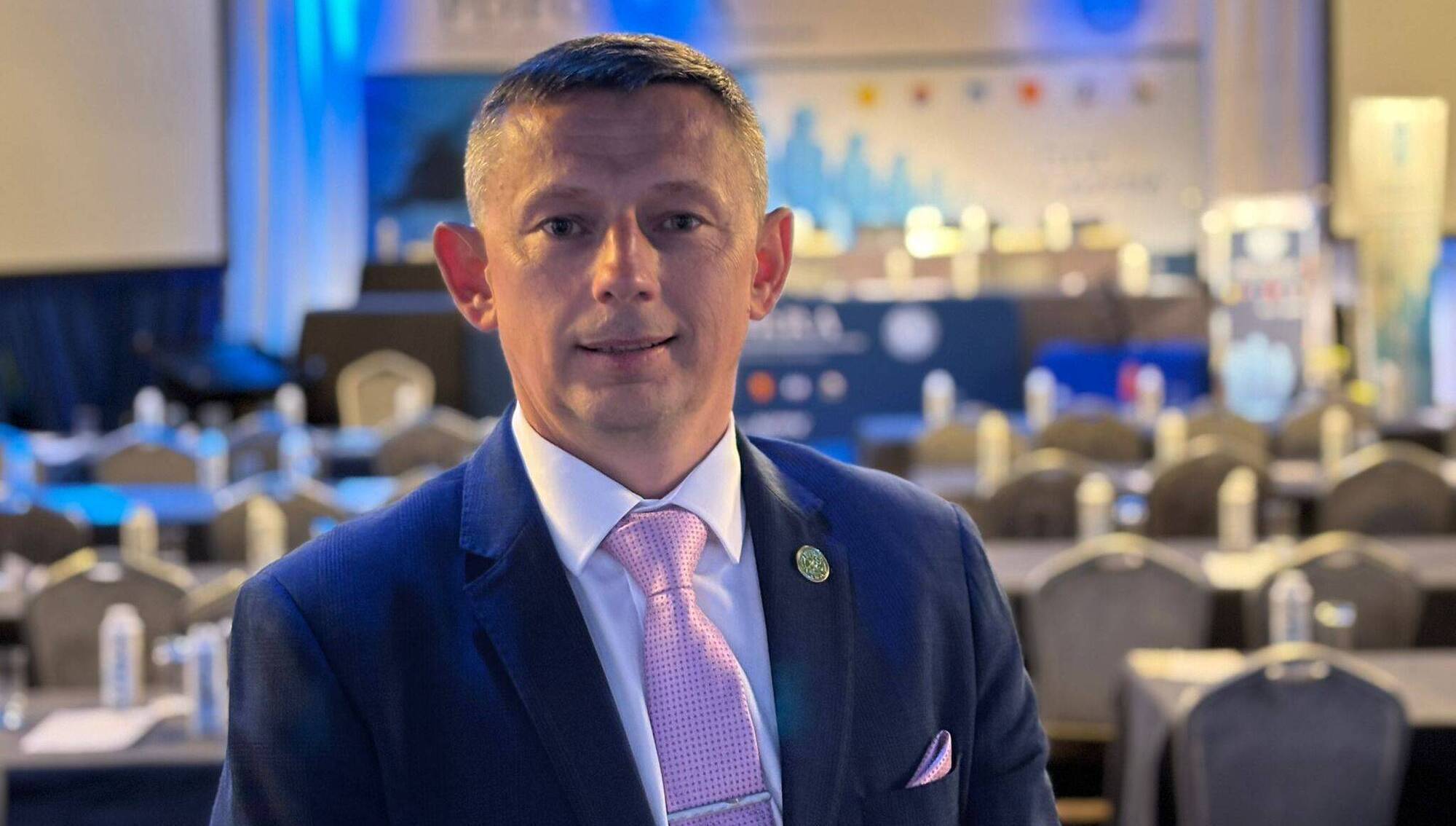
PDForra president Araon Kearney said Defence Forces members are seeing incorrect deductions in their payslips. Picture: X
Systematic administrative shortcomings are leading to members of the Defence Forces being paid less than what they are owed as well as suffering from incorrect deductions in their payslips.
The issues were highlighted by PDForra president Araon Kearney at the association’s annual conference in Westport this week.
“We're seeing qualified personnel remaining on recruit rates of pay after completing training," he said.
Read More
"We're seeing incorrect deductions applied in respect of rations and quarters during training periods, and we are also seeing massive delays in correcting these issues once identified."
Mr Kearney said: “These are not isolated incidents. They represent a pattern and that pattern has a very real consequence.
"Incorrect deductions or delayed adjustments are not accounting issues on a page they're immediate financial pressures affecting rent, transport, and day-to-day living for our members,” he said.
Mr Kearney said that for an organisation seeking to attract and retain personnel, this is a fundamental problem, as reliability of pay is not a benefit but a basic expectation.
“Administrative processes, particularly those affecting pay, must be accurate, responsive, and timely," he said. "Where errors occur, they must be corrected quickly and communicated clearly. Members must have confidence that the system functions properly."
Mr Kearney said that alongside this, broader conditions of service continue to place strain on PDForra members.
“Operational tempo remains high while staffing levels remain below strength in a number of areas.
"In some cases, units are operating at significantly reduced strength, well below the levels required to sustain output without consequence.
"This creates an environment where the same personnel are repeatedly tasked, often carrying the workload of two or more individuals, with limited opportunity for recovery or stability,” Mr Kearney said.
He said the level of commitment by Defence Forces personnel is not in question.
Mr Kearney said there are a number of issues which “collectively present a risk to the organisation’s long-term sustainability".
“Retention continues to present a very real and immediate challenge. This is not a future risk; it is a current condition.”
He said the security landscape across Europe is evolving, and that assumptions that held for many years can no longer be taken for granted.
“Ireland is not insulated from these developments. If anything, they reinforce the importance of having a capable, credible, and ready Defence Forces.
"And that brings us to a critical point. In a more uncertain world, the demands placed on our organisation will increase, not decrease. That means a greater reliance on trained personnel. It means a greater need for experience, continuity, and stability within our ranks,” said Mr Kearney.
- Sean O’Riordan, Defence Correspondent
CONNECT WITH US TODAY



Be the first to know the latest news and updates