Lotto bosses call for ban on bookies as 'bets divert €289m a year from good causes'
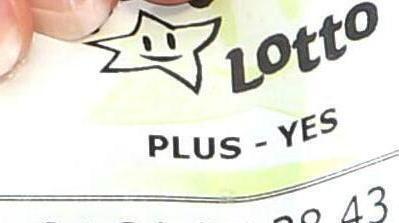
A report by consultants Indecon suggests up to €289m in potential National Lottery sales was diverted in 2024 alone to bets on Lotto results with bookies. Stock picture: MacInnes
Ireland’s bookies have clashed with the National Lottery, after the latter called for a ban on bookmakers being able to take bets on their Lotto draws.
While the Gambling Regulatory Authority of Ireland (GRAI) could exercise powers to take such a step in future, it has said its current priorities are to establish a licensing regime for gambling firms in Ireland with other provisions to be considered “in due course”.
On Tuesday, the National Lottery strongly called for the Government to take action to prevent secondary betting on its Lotto draws.
It came on the back of a new socio-economic impact assessment report from consultants Indecon, which claimed as much as €289m in potential National Lottery sales was diverted in 2024 alone as a result of betting on the lottery with bookmakers instead.
While you cannot win the jackpot through betting in the bookies, substantially better odds are available for matching certain amounts of numbers in the bookmakers against the official returns on National Lottery tickets.
For example, anyone who matched three numbers in the main Lotto draw last Saturday would have won €10. The cheapest ticket price is €4.
However, a €1 bet in the bookies on three numbers which did come out would win up to €400, when the bonus is included.
The National Lottery said that allowing such bets to be placed undermines its contribution to good causes with the Indecon report suggesting a reduction of €81m in funding for such causes in 2024.
To derive these figures, the report draws on Red C research which suggests over a third of people who bet on the lotto in the bookies would buy a National Lottery ticket if the former became unavailable.
“Lottery betting [...] reduces the funds available for local sports clubs, youth centres, arts programmes, and community services,” said National Lottery CEO Cian Murphy.
“Given the scale of these impacts, we have no option but to request relevant action by the Government on the issue in the interests of preserving the current levels of funding for good causes, safeguarding players and ensuring that the National Lottery, as a state asset, will continue to be an attractive investment and provide real returns for the State when the licence is up for renewal in eight years' time.”
Sharon Byrne, chairwoman of the Irish Bookmakers’ Association, said it fundamentally disagrees with the argument put forward by the National Lottery.
"Our customers have been betting on lotteries with their local bookmaker for over 30 years now," she said.
"And it’s an established product for many shops, which are already facing new rules and regulations under the upcoming licensing regime.”
In Ireland, the National Lottery is subject to a different regulatory regime to bookmakers with a separate regulator.
The GRAI, meanwhile, has said it is currently accepting licence applications for remote betting operators with a significant volume of consumer protection obligations placed on firms once they are licenced.
“Given the substantial workload involved in commencing the licensing of operators, and the critical nature of this task, this is the current priority of the GRAI,” it said.
“Under section 85 [of the Gambling Regulation Act], the GRAI, ‘having regard to a number of factors, including public interest and public safety’ can specify betting activities that a betting licensee may not provide. The GRAI will be considering the exercise of its power under section 85(3), including as it relates to National Lottery betting, in due course.”

CONNECT WITH US TODAY



Be the first to know the latest news and updates