Third-level fees to further reduce permanently in this year's budget, minister says
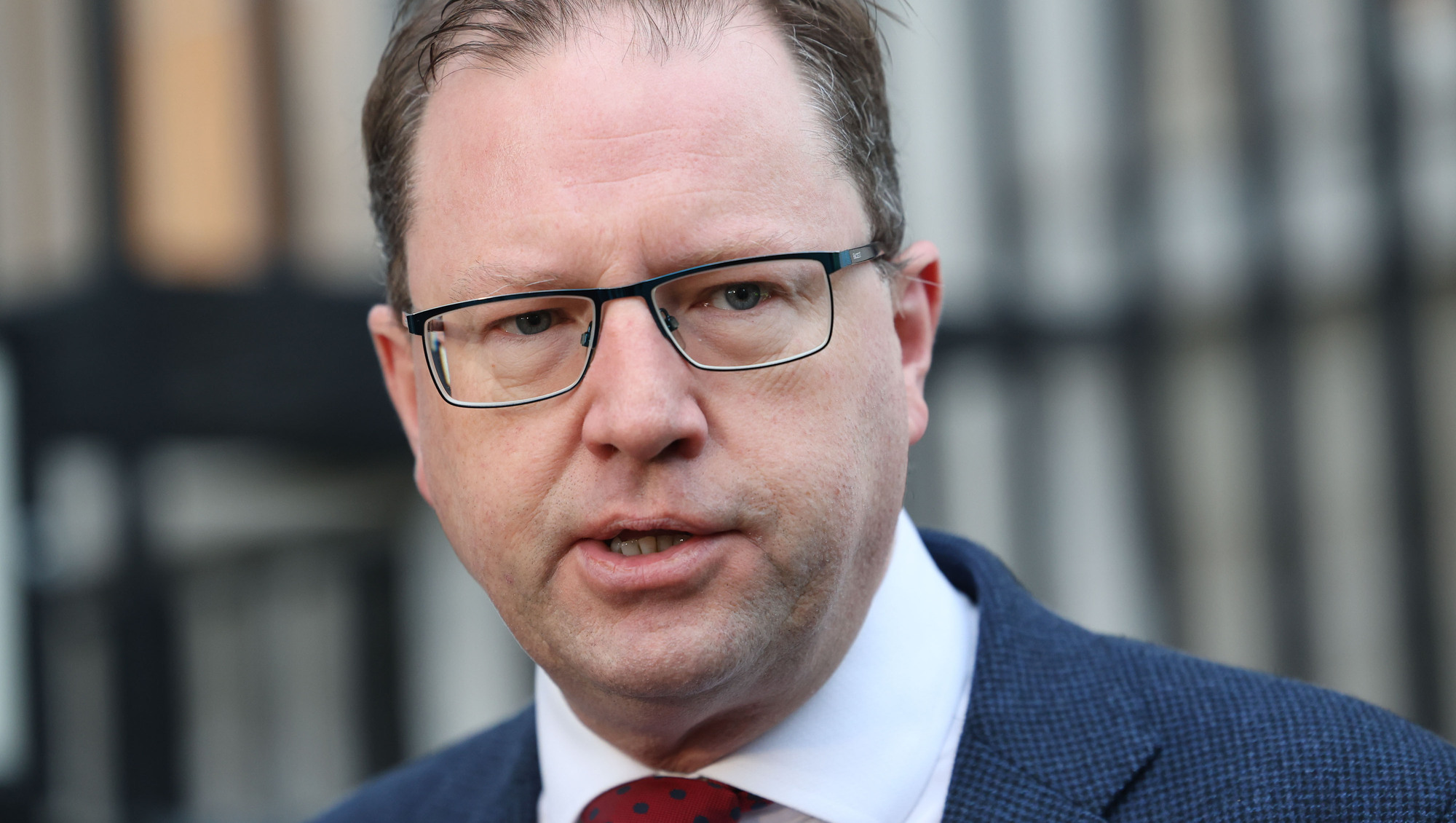
Further and higher education minister James Lawless: 'Certainly, as long as I’m in this brief, fees are only going in one direction. That’s down.' Picture: Leah Farrell /RollingNews.ie
Students will see a further permanent reduction in their college and university fees in this year’s budget, the higher education minister has said.
However, James Lawless declined to speculate on how much the annual payment would be reduced by in an interview with the .
“Certainly, as long as I’m in this brief, fees are only going in one direction. That’s down,” Mr Lawless said.
The Government delivered a permanent €500 fee cut in October’s budget, reducing the amount paid by students from €3,000 a year to €2,500.
The Fianna Fáil minister did accept, however, that students had paid less in fees in previous years, due to cost-of-living cuts, but said these had always been temporary reductions.
In 2024, fees were cut by €1,000.
“It was understood by all of the Government to be temporary and it was clearly flagged as being temporary. It was a cost-of-living measure and it was always going to end,” Mr Lawless said.
“I suppose the situation I was faced with was that it wasn’t here and wasn’t available to me. That funding was gone.”
Over the summer, he faced criticism from Fine Gael TDs over the matter. Mr Lawless said he regretted how it “played out”.
However, he said he was “very comfortable in the actions that I’ve taken”.
Asked specifically about criticism levied at him by TDs within the Government, Mr Lawless said he believed a “few people jumped the gun” and came out fighting.
“There were comments made on talk shows, which maybe if people just paused and reflected for a moment, they may not have made,” Mr Lawless said.
He said people may have still been in “election mode” while criticising his comments, adding he received no criticism from other Government ministers.
Mr Lawless said he had asked his policy team to produce a paper on the impacts of different budgetary measures, such as cutting fees or increasing grant payment levels.
Mr Lawless said fees were not the only cost to education, highlighting how students from disadvantaged backgrounds do not receive any benefit from cuts as they may not pay the student contribution fee.
“If our goal is to attract more people from lower socioeconomic backgrounds into college, increasing grants is a good intervention for that,” Mr Lawless said.
CONNECT WITH US TODAY



Be the first to know the latest news and updates