British government refuses to name Stakeknife despite ‘deeply disturbing’ behaviour
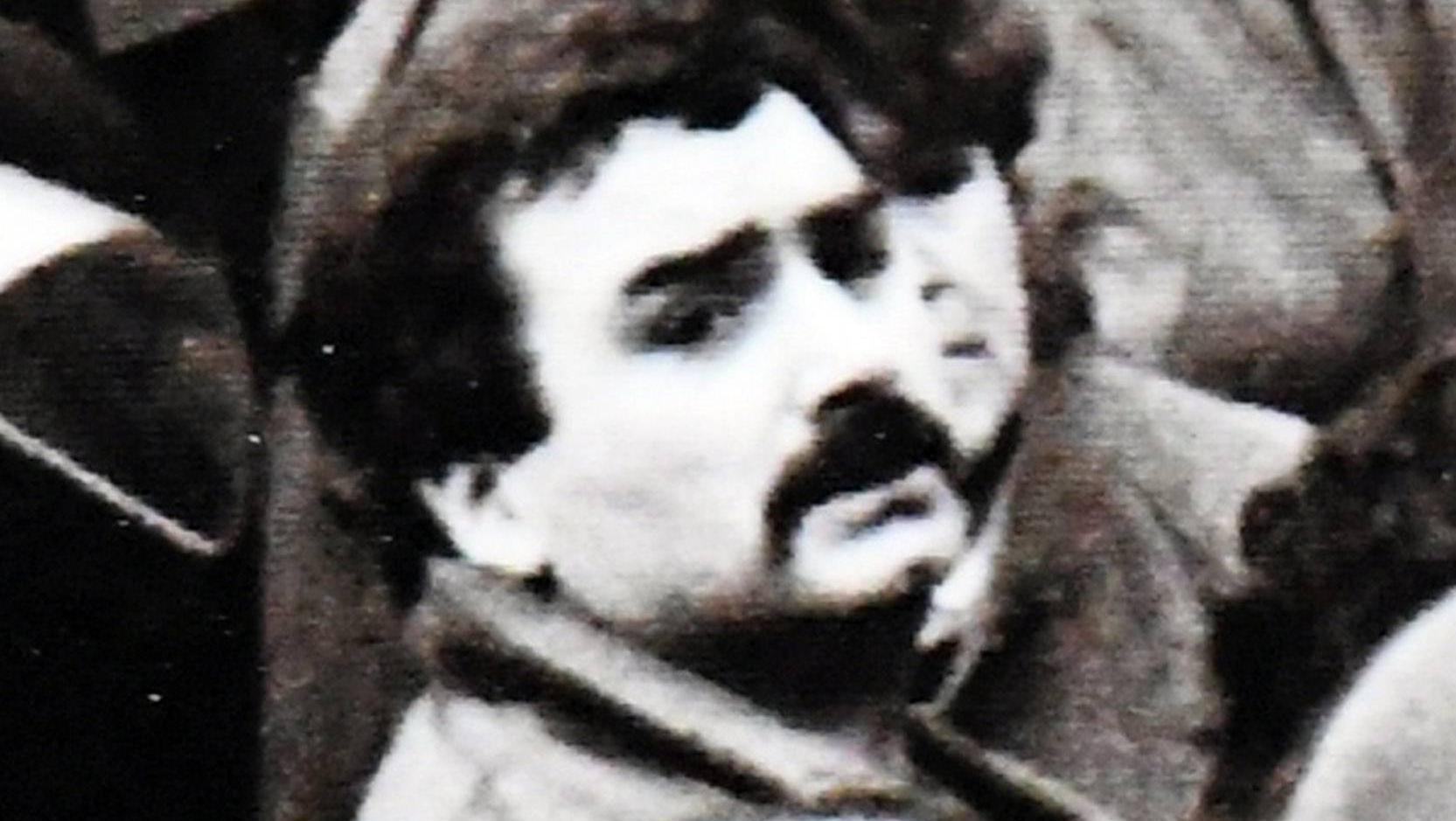
The agent Stakeknife is widely believed to be west Belfast man, Freddie Scappaticci.
The British government has again refused to name the army’s top spy in the Provisional IRA, known as Stakeknife, but branded the behaviour of the agent “deeply disturbing”.
Operation Kenova, which was set up in 2016 to investigate the activities of Stakeknife within the Provisional IRA’s internal security unit, published its final report on Tuesday.
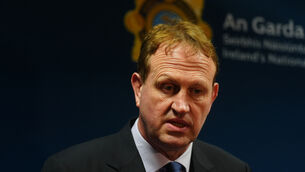
The operation's chief, Iain Livingstone, said there is a “compelling ethical case for the UK government to derogate from the Neither Confirm Nor Deny (NCND) policy regarding the agent Stakeknife’s identity”.
He added: “It is in the public interest that Stakeknife is named.”
Operation Kenova found in its interim report that more lives were probably lost than saved through the operation of Stakeknife, an agent who “committed grotesque, serious crime” including torture and murder.
HISTORY HUB
If you are interested in this article then no doubt you will enjoy exploring the various history collections and content in our history hub. Check it out HERE and happy reading
The agent Stakeknife is widely believed to be west Belfast man, Freddie Scappaticci, who was 77 when he died in 2023.
Responding to an urgent question in Britain's House of Commons, Northern Ireland Secretary Hilary Benn said the activities of Stakeknife “should not have happened”.
He said: “The behaviour described of the alleged agent and their role in the Provisional IRA is deeply disturbing. It should not have happened, and in recent decades, there have been significant reforms to agent handling practice, including through legislation.
“The use of agents is nowadays subject to strict regulation overseen by the Investigatory Powers Commissioner and the Investigatory Powers Tribunal.
“On Operation Kenova’s request for the government to name Stakeknife, I told Sir Iain Livingstone in August that, and I quote: ‘Due to ongoing litigation relevant to the Neither Confirm Nor Deny policy, namely the Thompson Supreme Court appeal, a substantive and final response to your request will be provided after judgment has issued in that case’.
“The government’s first duty is, of course, to protect national security and identifying agents risks jeopardising this.”
He added: “Today’s report also makes public the high-level findings of Operation Denton, which looked at killings carried out by the UVF Glenanne Gang.
“The behaviour reported on, including collusion by individual members of the security forces, is shocking.”
DUP leader Gavin Robinson said it is “absurd” that Operation Kenova could not name the alleged agent Stakeknife.
Addressing Mr Benn in the Commons, Mr Robinson said: “Does he realise the absurdity of maintaining the position that Operation Kenova could not name Freddie Scappaticci as Stakeknife?”
The DUP leader also said there are “too many inquiries he is letting pass by” without highlighting the “accountability on the Dublin government” and their role in supporting the IRA.
Responding, Mr Benn did not address naming Stakeknife, but said: “I think in order to learn from the past, one has to try and tell the truth around the past, I would simply draw his attention to the framework agreement reached between the UK government and the Irish government in September.”
Shadow Northern Ireland secretary Alex Burghart said it was “sobering to read further accounts of collusions between a small number of agents of the British state and paramilitaries”.
He added: “It’s important to highlight that, although the review found that there were a small number of rogue actors, they did not find, and I quote ‘any evidence that collusion occurred at a political or strategic level’.”
Mr Burghart also said: “There have been a number of reviews, detailed reviews, and necessary reviews into collusion between agents of the British state and paramilitaries. But as yet, no such reviews on the Irish side.
“Will the Secretary of State tell us whether the Irish government has told him by when they intend to present their own legislation?”
Mr Benn replied: “It is for the Irish government to determine what information they reveal, but they have given commitments to me and to the UK government, and indeed to all of us, about the co-operation that they will provide.”
He added: “By March, the legislation to allow witness testimony to be given to the Omagh Bombing Inquiry will be in place, and we look forward to seeing in due course the outline of the Irish government legislation that will implement the rest of the commitments when it comes to cooperation with the new Legacy Commission.”
Operation Kenova examined 101 murders and abductions linked to the unit responsible for interrogating and torturing people suspected of passing information to the security forces during the conflict.
The final Kenova report updates 10 recommendations made in the interim report last year, including a call for the UK government to acknowledge and apologise to bereaved families and surviving victims.
It also calls for a full apology from the Republican Movement for the Provisional IRA’s abduction, torture and murder of those it suspected of being agents.
Operation Denton has found that the UVF was responsible for the 1974 Dublin and Monaghan bombings, and there was no specific intelligence that could have prevented the attacks, which claimed 33 lives.
CONNECT WITH US TODAY



Be the first to know the latest news and updates