Elite athletes warned to avoid one-night stands over risk of failing drug tests
Elite athletes warned to avoid one-night stands over risk of failing drug tests

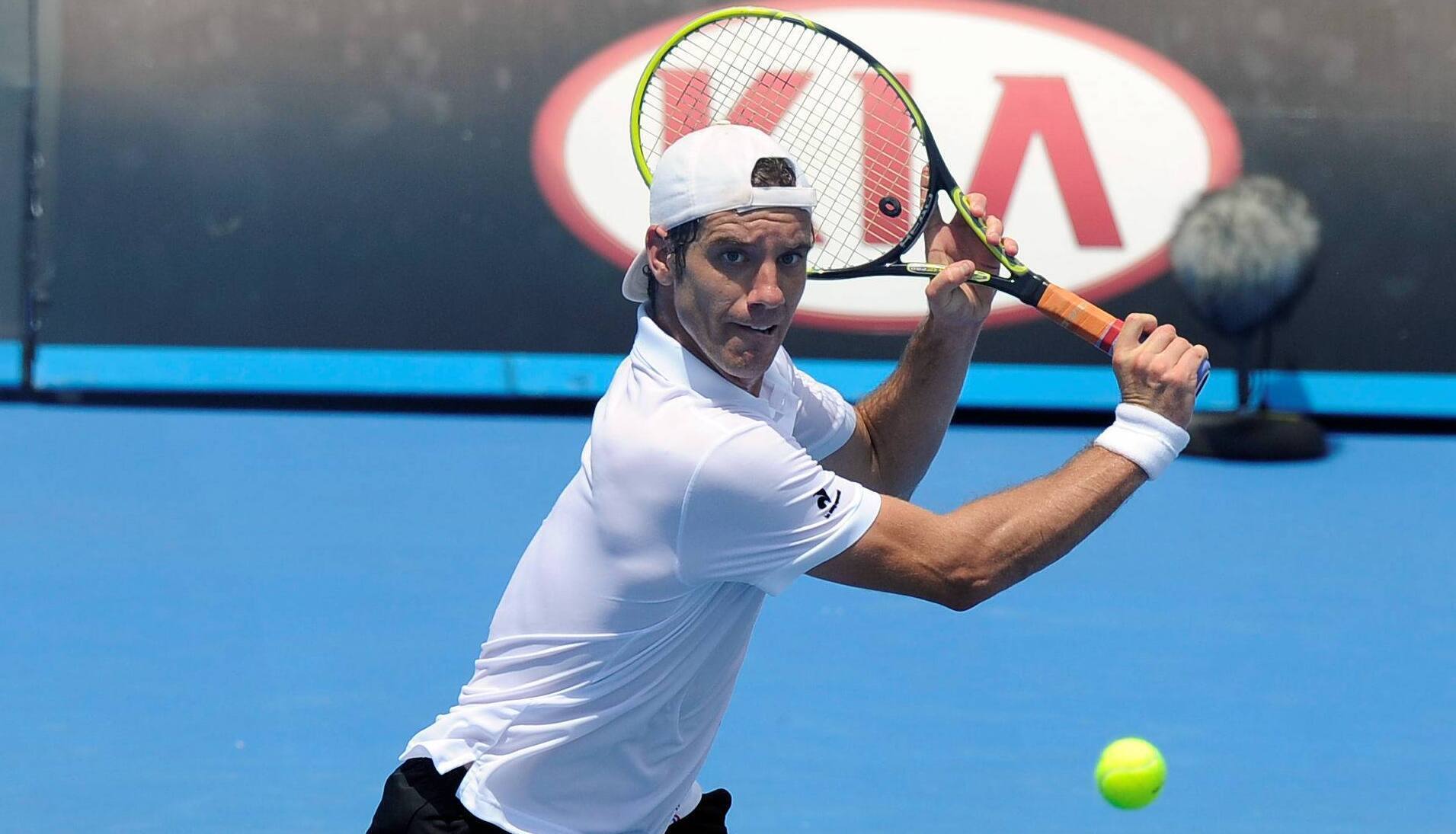
Mark Hovell, a sports lawyer and the independent chair in the Jannik Sinner anti-doping case, raised the issue of the French tennis player Richard Gasquet (pictured), who was cleared after testing positive for cocaine after showing it came from kissing a woman in a nightclub. File photo: AP/Andrew Brownbill

Elite athletes have been warned against having one-night stands because of the risk they could be ­contaminated with banned drugs from engaging in casual sex.

The warning came as top lawyers and anti-doping experts debated ­contamination cases in sport before highlighting the hidden dangers for the Tinder generation.

Mark Hovell, a sports lawyer and the independent chair in the Jannik Sinner anti-doping case, raised the issue of the French tennis player Richard Gasquet, who was cleared after testing positive for cocaine after showing it came from kissing a woman in a nightclub.

“­Gasquet managed to get her to come and give evidence to say: ‘Yes, I’m a cocaine addict. I use cocaine,” Hovell added. “‘I kissed him in this ­nightclub.’ But with a one-night stand, how are you going to be able to find that person again? That’s the problem.” 

Asked whether an elite athlete was opening themselves up if they didn’t get a phone number of the person they slept with, Hovell nodded before saying: “They might not have the evidence they need.” 

Another panellist, Travis Tygart, the head of the US Anti-Doping Agency, cited the case of the American boxer Virginia Fuchs in 2020.

Fuchs tested positive for prohibited substances, but was cleared after proving that the metabolites detected in her sample were consistent with recent exposure via sexual transmission with her male partner.

“I think based on the cases we’ve seen, watch who you kiss and watch out who you have an intimate relationship with,” Tygart told the Sports Resolutions conference.

Tygart also called on the World Anti-Doping Agency to raise the minimum reporting level of substances that could be sexually transmitted, such as clostabal and ostarine – so that if anti-doping laboratories found a trace amount in an athletes’ sample they would not risk a sanction.

“I think it’s a pretty ridiculous world we’re expecting our athletes to live in, which is why we’re pushing to try to change these rules to make it more reasonable and fair,” said Tygart.

The Guardian

More in this section

Lunchtime News

Newsletter

Keep up with stories of the day with our lunchtime news wrap and important breaking news alerts.

Cookie Policy Privacy Policy Brand Safety FAQ Help Contact Us Terms and Conditions

© Examiner Echo Group Limited