Cork mother speaks out in support of 'revolutionary' Irish childhood cancer research project
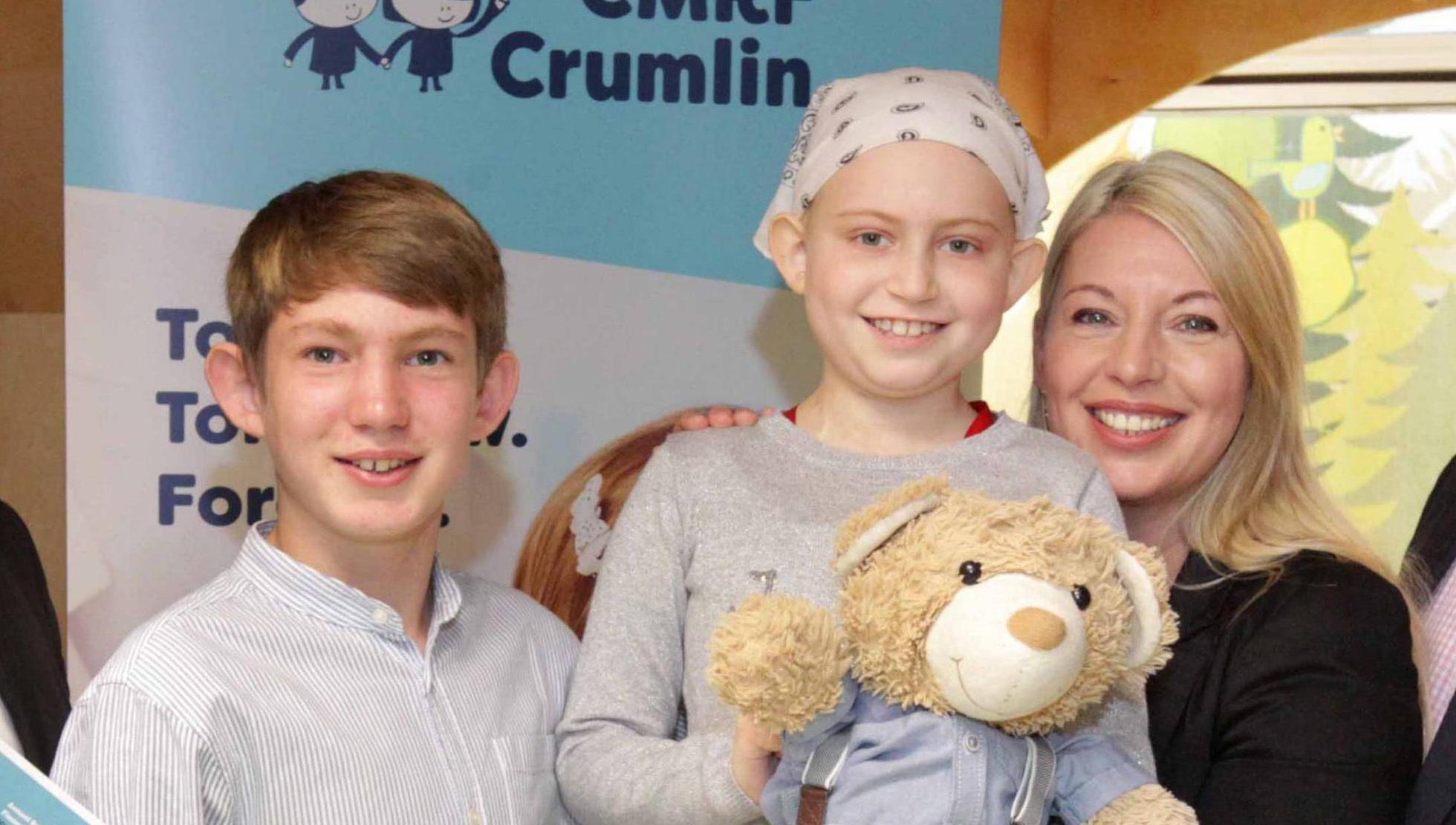
Noreen Doyle with her children James and Kate in 2018. She has called for parents to involve their children approved trials. File picture
“If I could have swapped places with either of my children, I would. As a parent that’s how you feel,” a woman whose two children survived leukaemia has said.
Mother-of-four Noreen Doyle is speaking out to support a “revolutionary” Irish childhood cancer research project launching today, and said the family feels “very fortunate” now.
The Kanturk native urged parents of sick children to consider joining approved trials, adding that "the research of today is tomorrow’s cure".
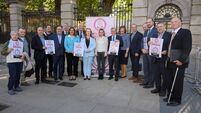
The Magic-I study will run for five years, and is Ireland’s first clinical study of genomics approaches in cancer care.
They will work with children and teenagers, including those who experience a relapse.
The study will investigate how genetics, genomics and big data could improve cancer diagnostics, treatment and patient outcomes.
Her son James benefited from new research into treatment. He also took part in a clinical trial which benefited his sister Kate 10 years later.
She still vividly recalls finding out James was ill, saying: “'Your two-year old son has Leukaemia' are words that will forever ring in my ears.”
Childhood cancer is “every parents’ biggest fear”, she said.
HSE chief clinical officer Dr Colm Henry described the new project as “a significant milestone in Irish cancer care”.
Principal investigator and paediatric haematologist in Children's Health Ireland Professor Owen Smith said genome sequencing can help understand why “some patients fail to respond to initial treatment, relapse later, or experience severe toxicities leading to injury, secondary illnesses and secondary cancers.”
Among those involved are University College Dublin, Systems Biology Ireland research centre based at UCD, and CHI.
The consortium Precision Oncology Ireland are partners. This includes University College Cork and other colleges as well as charities such as the Irish Cancer Society and Breakthrough Cancer Research.
The project is supported by biotechnology company Illumina.
CONNECT WITH US TODAY



Be the first to know the latest news and updates