Watchdog finds two-tier system operating in Ireland's mental health services
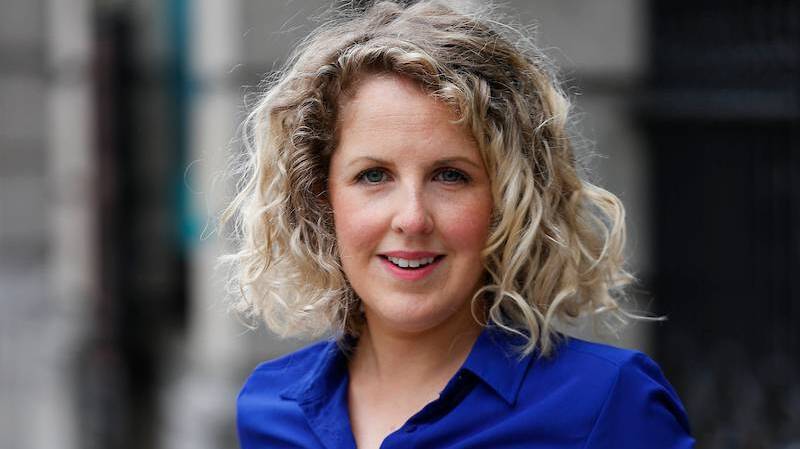
Mental Health Reform CEO Fiona Coyle said: 'We find it unacceptable that we are operating within a two-tier system of mental health service provision.' Picture: Conor McCabe Photography
A two-tier system is operating in mental health services with public centres more likely to be full than private centres, the Mental Health Reform (MHR) coalition has warned.
This follows a critical report by the Mental Health Commission with updates on inspections of private and public in-patient centres. On 46 days last year, centres had more residents than they were registered to accommodate with 74% of these problems at two HSE centres in Limerick and Clare.
MHR CEO Fiona Coyle said 46 days is worrying as this is an increase compared to 33 such days the year before.
“Privately operated centres continued to achieve higher rates of compliance than centres which were operated by the HSE. We find it unacceptable that we are operating within a two-tier system of mental health service provision,” she said.
She welcomed “key insights” the report gives into how inpatient mental health services run. However, she pointed out that despite improvements, such as the new Decision Support Service, deficiencies linked to underinvestment were clear.
“The mental health budget went from 13% of the overall health budget in 1984 to stagnating between 5% and 6% in recent years, despite the Government’s target of 10% by 2024,” she said.
Among her concerns is the increasing number of centres not reaching 100% compliance with standards they are measured against. This is “deeply troubling”, she said particularly around staffing, care planning, risk management and standard of buildings.
However, she welcomed the 25% reduction in the use of seclusion — putting someone into a room so they are unable to leave — and the 9% reduction in the use of physical restraints.
“Sharing the Vision, our national mental health policy, calls for a move towards 'zero restraint, zero seclusion' in mental health settings,” she said.
Ms Coyle supported the MHC’s call for a new Mental Health Act to be swiftly rolled out.
“Investment in mental health must be a priority for this government in Budget 2025. No more delays — Ireland's mental health services need urgent and substantial investment now,” she urged.
Minister of State for Mental Health Mary Butler also welcomed the MHC report.
“While the report raises some issues of concern in relation to individual care planning, risk management, staffing and premises, progress has been made with services adopting a strong human rights approach to successfully reduce and eliminate restrictive practices in 2023,” she said.
Inspectors found five centres achieved 100% compliance. She said this indicates these standards can be reached everywhere. The HSE also welcomed improvements noted in some areas by the MHC.
“We acknowledge the key role of our HSE colleagues in the mental health teams across the country who have enabled these improvements,” a spokeswoman said.
She added: “We know there are areas needing further improvement, and HSE Mental Health is developing a detailed action plan in response to the MHC findings.” A sum of €29.6m was allocated in 2024 from the capital budget for mental health and €14m for a rolling minor works programme.
CONNECT WITH US TODAY



Be the first to know the latest news and updates