Stardust: Firefighters encountered 'mayhem' at nightclub, inquest told
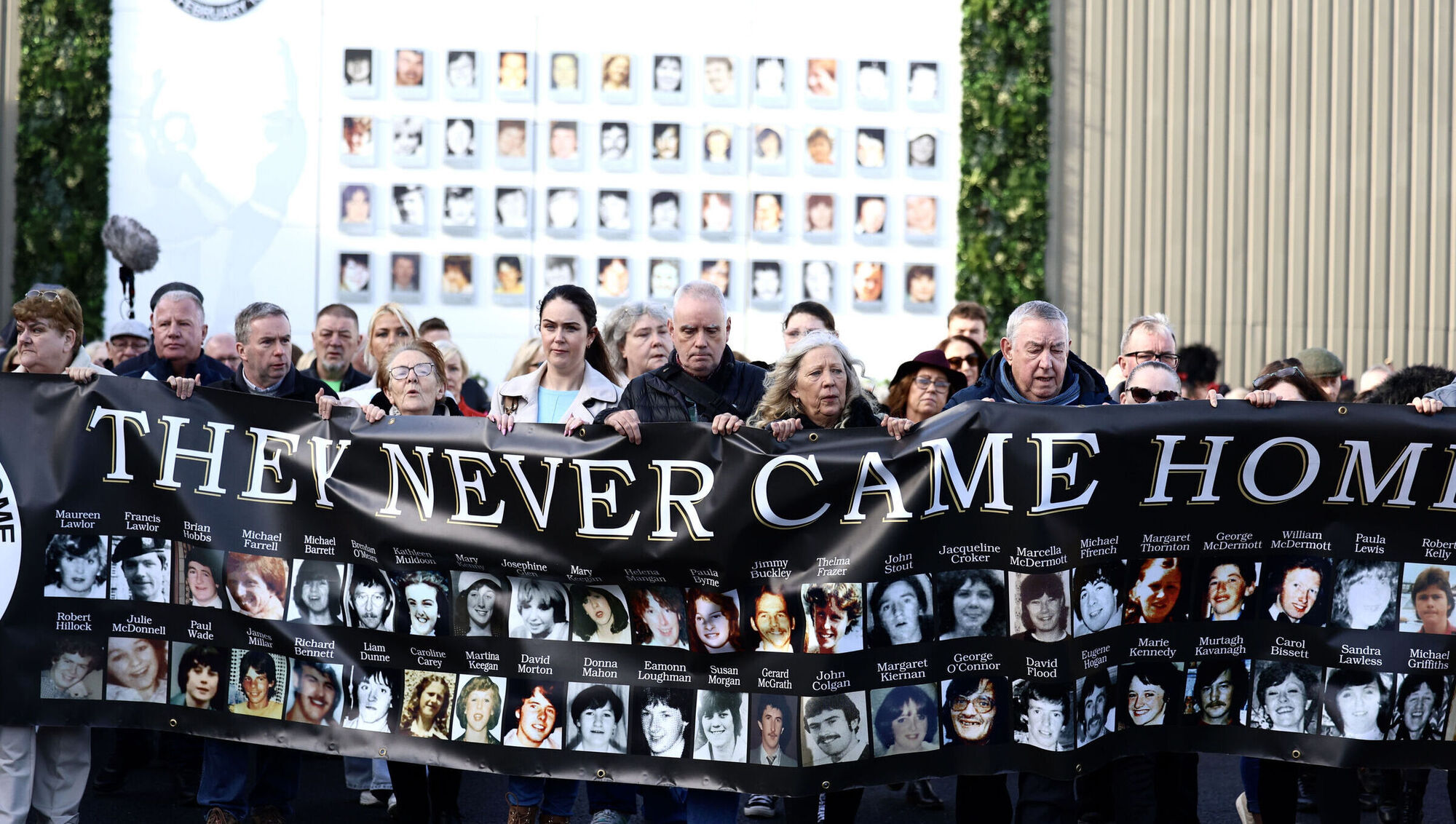
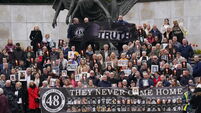
Forty eight people died as a result of the fire, and more than 200 were injured. Picture: Leah Farrell/© RollingNews.ie
Firefighters who rushed to the Stardust after hearing reports it was ablaze said they encountered “mayhem” and that it had “spread more rapidly than a normal fire”, a coroner has told a jury.
Dublin District Coroner Dr Myra Cullinane continued her summary of the evidence heard at the fresh Stardust inquests to the jury on Wednesday by describing the actions of first responders on the night, who managed to rescue many people trapped in toilets in the north Dublin nightclub.
Referencing the testimony given by action station officer Patrick Hobbs, she said his evidence had said: “The only persons capable of being rescued were those in sheltered areas such as toilets. Anyone in the main ballroom would not have been capable of surviving.”
On February 13, 1981, hundreds of young people had flocked to the popular venue for a disco dancing competition. In the early hours of the morning, while attendees were still on the dance floor, a small fire was spotted in a corner of the nightclub.
Witnesses all agreed it quickly grew from that small fire to one that quickly spread out of control, engulfing the venue with thick black smoke. Forty eight people died as a result of the fire, and more than 200 were injured.
These fresh inquests were ordered by the Attorney General, following a sustained campaign from families of victims, who said there had been an “insufficiency of inquiry” at the original inquests for the victims.
Having now sat for nearly a year, hearing from more than 370 witnesses and sitting for over 100 days, the inquests have reached their final phase.
The coroner continued summarising the evidence before the 13-person jury, who are due to retire to consider their verdicts in the coming days.
Previously, Dr Cullinane had gone through the plethora of evidence heard on the situation before the Stardust opened regarding policies of locking doors at certain points on disco nights and around the carpet tiles used on the walls of the venue. She also discussed the evidence of patrons, some of whom described doors having to be kicked in to allow people to exit.
The first calls to the fire brigade were made at 1.43am on February 14, 1981. One of these calls came from an off-duty fireman who worked as a doorman at the Stardust and was able to convey the seriousness of the situation. A slew of units from Dublin Fire Brigade, An Garda Síochána and ambulances from the area were quickly dispatched to the scene.
While the early efforts focused on rescuing as many people as possible, it soon became a recovery mission for the firefighters at the scene after the fire had been extinguished.
The coroner spoke of the evidence of sub-officer Brian Parkes, who had helped to rescue several people from toilets, who had said: “Firefighters on the ground were experienced, and knew how to approach the rescue. But such was the mayhem of the Stardust it was a free-for-all, just go in and get them out of it. We were 99% rescue.”
The evidence of fireman Noel Hosback was that he and others went inside upon arrival to try to rescue people trapped in toilets. He said he found three people in one of these, and gave them oxygen from his own breathing apparatus before helping them from the building.
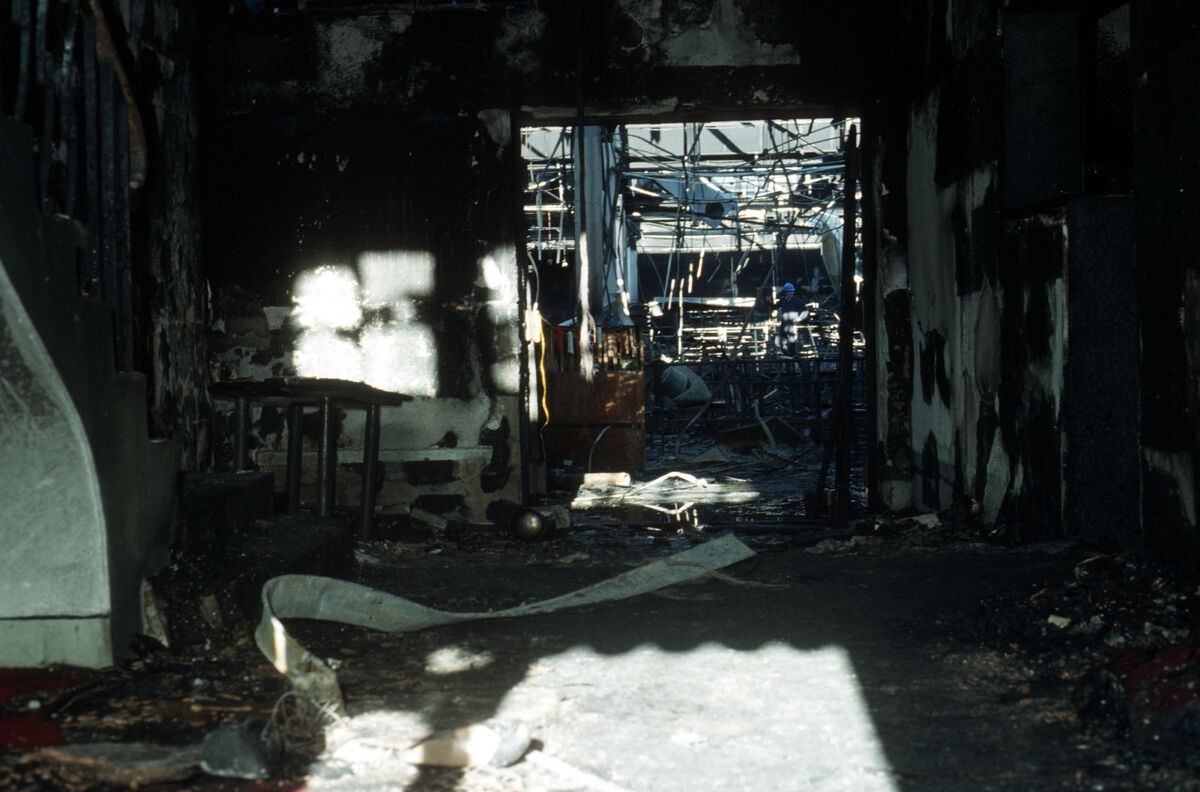
Garda Bartholomew Doherty attended the scene, and said he saw the main entrance “completely in flames” with the fire “blazing so fiercely it was impossible for anyone to get in past it”.
The coroner said Garda Doherty said he heard people inside one of the toilets, and tried to break open through the steel frames blocking the window with a sledgehammer but couldn’t.
Other gardaí at the scene included Detective Inspector William Ronayne, who was asked to inspect the state of the exits at the Stardust less than two hours after the fire was first spotted.
He described seeing some of the exits as having chains and locks on some of the panic bars. A colleague saw the emergency exit dubbed exit 3 had a panel dented as if it had been kicked from the inside, and had a lock and chain secured to one of its panic bars.
The evidence of Detective Superintendent John Courtney, who led the Garda investigation into the fire, was also described by Dr Cullinane.
“He stated the investigation was very detailed, with 89 investigating gardaí, and involved the taking of 1,649 witness statements.
"In addition, further experts attached to Garda Technical Bureau were assigned to the investigation. Ultimately, he stated no evidence came to light that fire was malicious.”
The inquests continue on Thursday.
CONNECT WITH US TODAY



Be the first to know the latest news and updates