Stardust: Coroner's summary highlights speed at which fire spread
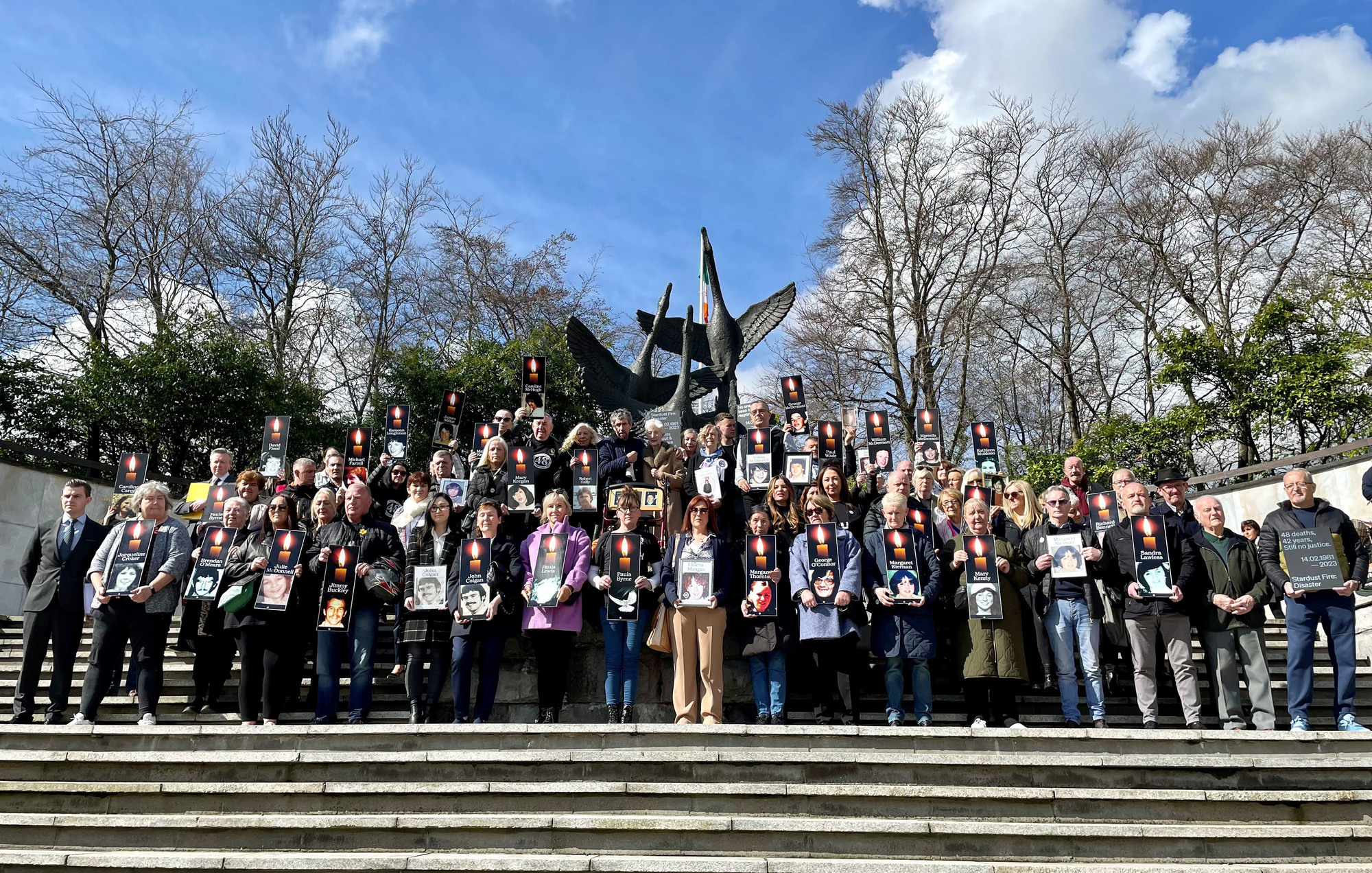
The Stardust inquests have heard the evidence of over 370 witnesses.
A small fire in a corner that people had stood watching rapidly became one that “flew across the ceiling”, bringing smoke so intense that it quickly overcame dozens, a jury at the Stardust inquests has heard.
These details were recalled by Dublin District Coroner Dr Myra Cullinane on Tuesday, as she continued to summarise the evidence of witnesses at the landmark inquests into the tragedy.
These witnesses gave often harrowing evidence of events of the night, with one attendee who was just 16 at the time describing seeing an exit door closed but “bulging like people were banging it from inside” and the sound of screaming from those trying to get out.
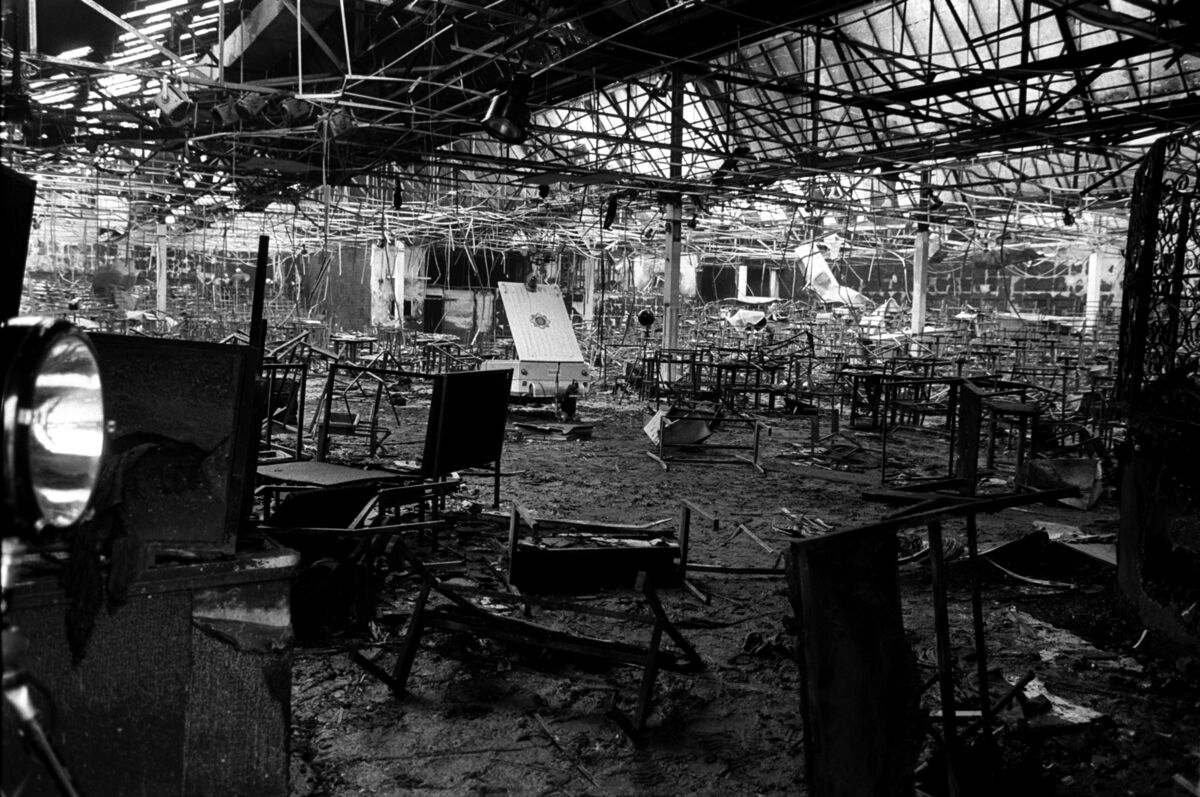
In the early hours of February 14, 1981, a devastating fire quickly ripped through the Stardust ballroom in Artane, north Dublin. Over 800 people had attended on the night of a big disco dancing competition, and the fire was first spotted in a closed-off tiered area of the Stardust just a few minutes after the winners had been crowned.
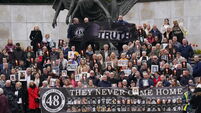
In all, 48 people died, with fresh inquests examining anew the circumstances of their deaths following a sustained campaign by families of victims. The Stardust inquests are in their final phase, with the coroner summing up the case before she charges the jury who will then retire to consider their verdicts.
With the first sitting held 11 months ago now, they are the longest running inquests in the history of the State.
The 13-person jury will have a range of potential verdicts open to them to make their findings. In a series of powerful closing submissions, legal teams representing the families urged the jury to return findings of unlawful killing in respect of each of those who died.
Having heard the evidence of over 370 witnesses, Dr Cullinane focused on Tuesday primarily on the testimony given by patrons who had attended the Stardust for the disco dancing competition that evening.
A consistent theme across the evidence of many patrons was that they didn’t believe the fire was something serious when they first spotted it. The jury has heard that the fire was small when it was first seen in the west alcove area, but it began to spread quickly and engulf the large venue after reaching the carpet tiles on the walls.
“Many people give evidence of not realising the seriousness at first,” Dr Cullinane said. “Some people stood watching it. Sandra Greer said when she and friends were first alerted to the fire, she thought it seemed like cigarette smoke or her friend thought it was disco smoke.
“Mark Swaine said when he saw it, it was confined to two seats. His brother told him ‘we better go, people might panic’.
“David Bell said it was a small fire on the seats at the back wall. But by the time he made it to the entrance, flames were over his head.”
Other common experiences described to the jury was the impact of the thick, black smoke from the fire and what looked to some like melting plastic dripping from the ceiling.
Dr Cullinane said: “A difficulty in breathing is referred to in nearly all the patron evidence. [The smoke] caused them to become drowsy or sleepy, and people described not being able to see.
“Liam Hennessy said the smoke and fumes made him want to go asleep. David Bell said they made him want to lie down. Antoinette Burke said it was so intense it scorched her lungs.”
The coroner also summarised at length the evidence of patrons and their efforts to escape the Stardust from the six different emergency exits on the night.
The inquests have heard there was a policy of keeping some of the exits locked and chained for a portion of the time the public was on the premises, ostensibly as a means of stopping people letting in their friends through a side door without paying.
Various witnesses described a “crush” at the main entrance to the premises, dubbed exit 2, where many people tried to escape from.
“Lorraine Brady thought she saw the main entrance closed for about five minutes,” the coroner said, adding that some people were “pushed upstairs” or went up there voluntarily to try to escape.
Other witnesses described exit 3 as being chained and shut and needing three “fairly big lads” to kick it open. Witnesses also described seeing men kick at exit 5 in a bid to get it open.
Antoinette Keegan, who was knocked to the floor with her sisters and friends, said they were “all holding onto one another as they tried to escape” through exit 4, the coroner said.
Dr Cullinane later turned to the evidence regarding the emergency response to events at the Stardust. This included Dermot Dowdall, a fireman on duty in Dublin that night.
One of the first emergency calls to come into the control room came from off-duty fireman John Fitzsimons who happened to work part-time as a doorman at the Stardust.
The coroner said that Mr Fitzsimons was able to use the kind of terminology familiar to firemen and “was able to communicate the seriousness of the fire”.
The inquests continue Wednesday.
CONNECT WITH US TODAY



Be the first to know the latest news and updates