Progress on EU plans to outlaw binning food that is still safe to eat
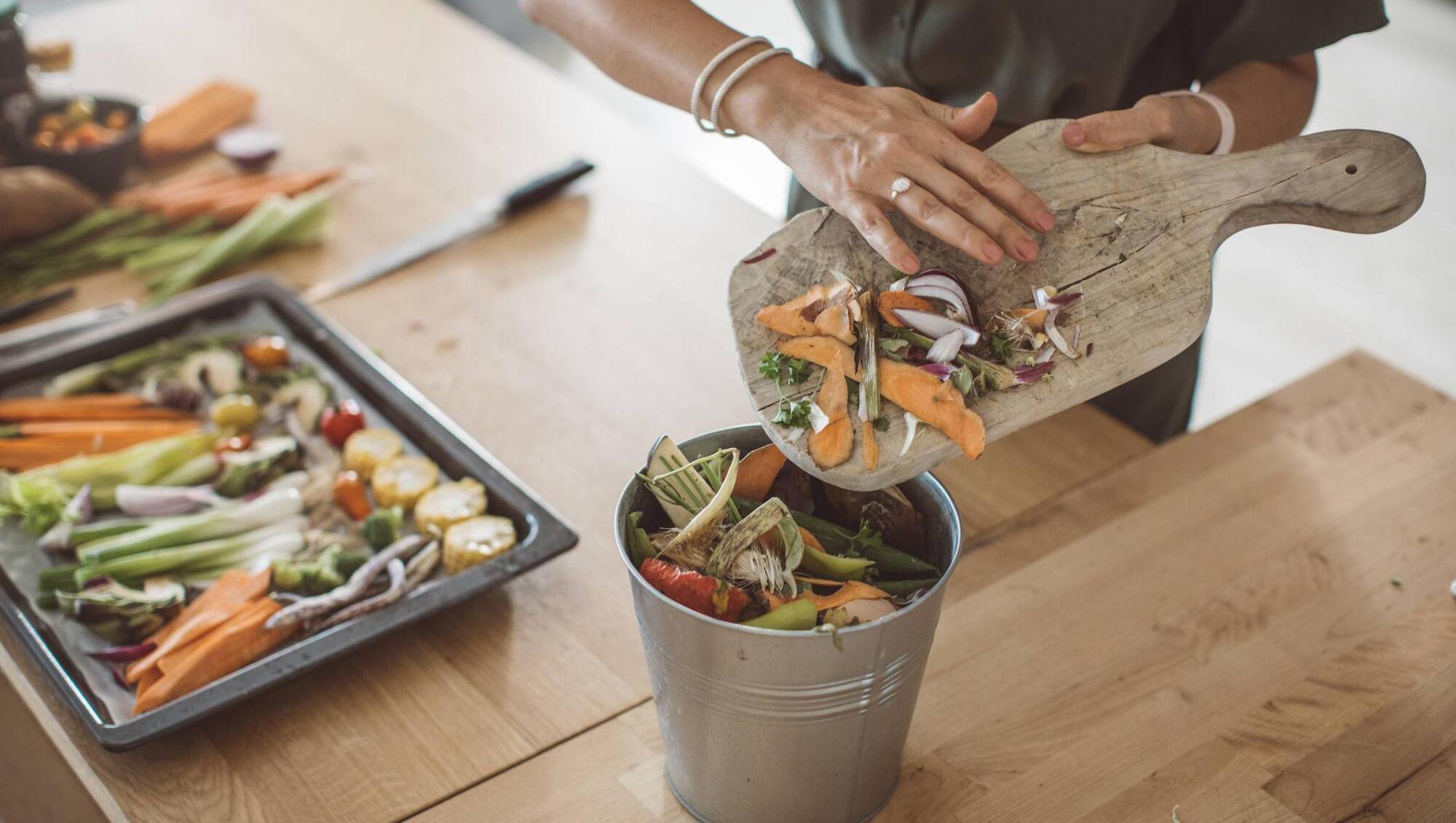
A study from the EPA found that food waste costs Irish households, on average, €700 a year.

A study from the EPA found that food waste costs Irish households, on average, €700 a year.

The EU has taken a step closer to outlawing the binning of food that is still safe to eat.

At a plenary session of the European Parliament in Strasbourg on Wednesday, MEPs voted by 514 to 20 in favour of a proposed revision of the Waste Framework, which proposes higher binding waste reduction targets to be met at national level by the end of 2030. 

This would include reductions of at least 20% in food processing and manufacturing, instead of 10% proposed by the European Commission, and 40% per person in retail, restaurants, food services and households, instead of 30%.

The plan would also include a ban on commercial operators, including supermarkets, from throwing away food that is still safe to eat. This food would have to be made available for donation.

Green Party MEP for Ireland South Grace O’Sullivan said that the level of food waste is “nothing short of a scandal”.

CLIMATE & SUSTAINABILITY HUB

“The vote represents an important step forward for this legislation,” she said. 

“Food waste is bad for the environment, it is bad for the economy, and it is socially unacceptable when there are people struggling to put good food on the table.

“Seventy-five thousand tonnes of food is wasted by the retail and distribution sectors in Ireland every year — mostly vegetables, fruit, bread and meat. Only a minor portion of that is redistributed to charities.

“The problem of food being wasted before even reaching retailers is worse again — with over 215,000 tonnes of food waste in the manufacturing and processing industry. This is indefensible in this day and age,” she said.

The most recent EPA study on food waste found that food waste costs the average Irish household €700 per year, a total annual cost of €1.29bn. Food waste generates between 8-10% of Ireland’s greenhouse gas emissions. About 31% of the total comes from households and 29% comes from the processing and manufacturing sector.

Across the EU very year, 60m tonnes of food waste, or 131kg per person and 12.6m tonnes of textile waste are generated in the EU. Clothing and footwear alone account for 5.2m tonnes of waste, equivalent to 12kg of waste per person every year. It is estimated that less than 1% of all textiles worldwide are recycled into new products.

The framework will now proceed to trilogue talks between the commission, parliament, and the council of the EU with an agreement due to be reached in the next parliament following June's elections.

x

More in this section

Lunchtime News

Newsletter

Get a lunch briefing straight to your inbox at noon daily. Also be the first to know with our occasional Breaking News emails.

Cookie Policy Privacy Policy Brand Safety FAQ Help Contact Us Terms and Conditions

© Examiner Echo Group Limited