Dept denies 'accounting trick' reduced country's energy-related emissions
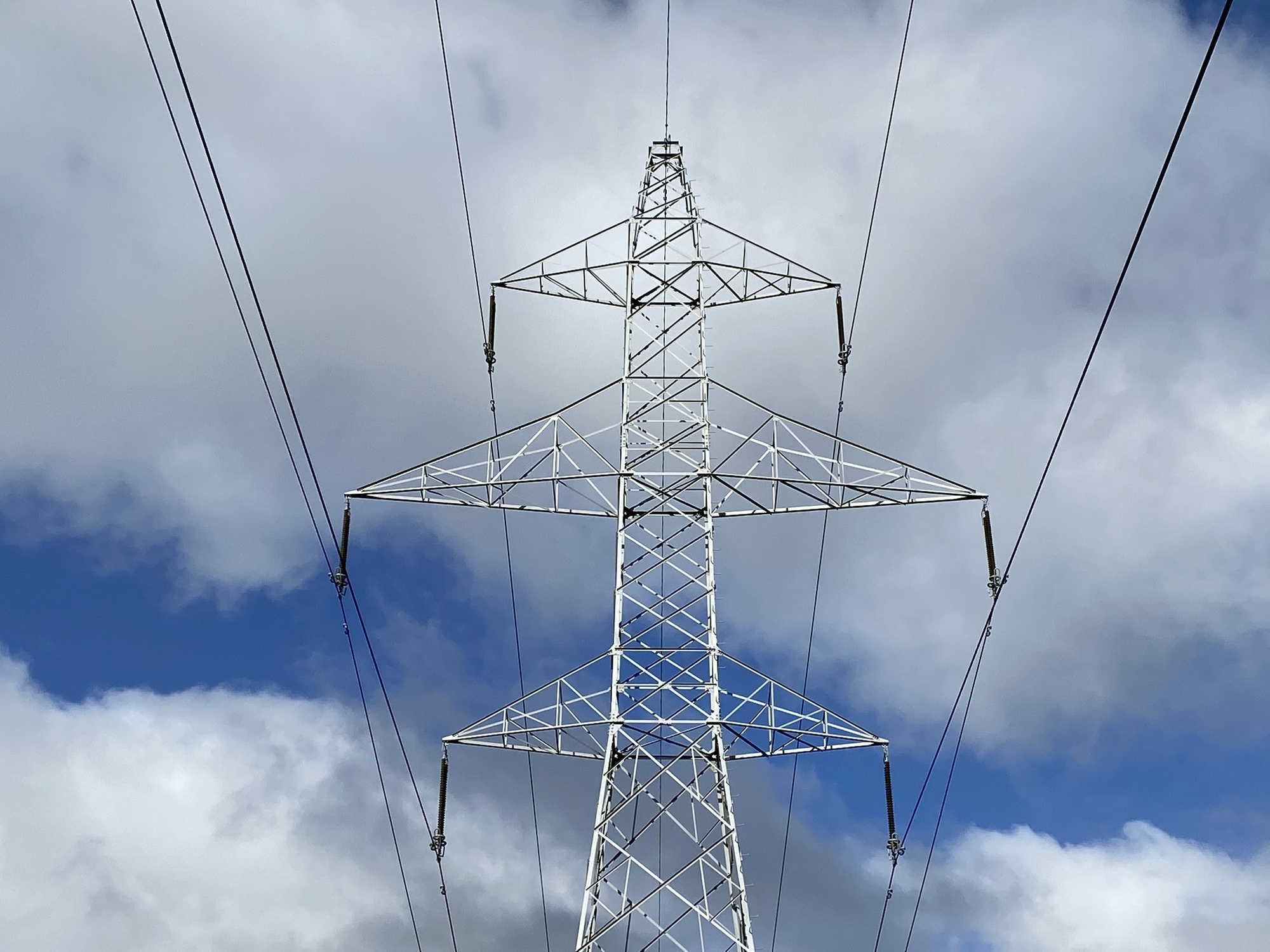
According to figures from the Central Statistics Office (CSO), 18% of metered electricity in 2022 was used by data centres, the same percentage as urban homes. File picture: Larry Cummins
The Department of Energy has rejected the idea that Ireland is cutting energy-related emissions via an "accounting trick".
The Sustainable Energy Authority of Ireland's 2023 energy report, published before Christmas, showed that 2022 had the lowest energy-related emissions of any year in the last quarter century, except for 2020 during covid lockdowns. Energy-related emissions were down 1.7% on the previous year, largely due to reduced energy demand in the residential sector, the report says.
However, the SEAI report also says that for 2023, Ireland's carbon usage for its electricity needs will be lower than in 2022 but it "is important to acknowledge that the reduction in electricity emissions and carbon intensity of electricity have come about through an ‘offshoring’ of Irish electricity generation emissions to the UK, rather than the elimination of emissions through adding more renewable sources here in Ireland".
Sinn Féin senator Lynn Boylan says that that "offshoring" — which effectively charges the emissions to the country where the electricity is produced rather than consumed — is "an accounting trick" which covers up the true effect of large consumers of electricity like data centres.
According to figures from the Central Statistics Office (CSO), 18% of metered electricity in 2022 was used by data centres, the same percentage as urban homes. Rural homes used 10% of all metered electricity in 2022.
CLIMATE & SUSTAINABILITY HUB
"The key thing is that there's no plan to reduce demand on a larger scale by doing things like requiring data centres to generate their own power. The demand-side management isn't there. The overall increased demand for electricity is being driven by data centres and large consumers.
Senator Boylan said that Ireland must manage demand for electricity better.
"Countries that did reduce their demand since the outbreak of the war in Ukraine were doing demand reduction. It's not about having people sitting in the cold in their homes."
In response, the Department of Environment, Climate and Communications, said that imported energy is accounted for precisely as it is designed.
"Electricity emissions are on track to be significantly lower again in 2023. This year has also seen significant reductions in the use of higher emission fossil fuel for electricity generation, like coal, which, to October, has seen a 54% reduction in use from 2022.
"The UK has also decreased substantially its use of fossil fuel for electricity, with gas, their largest source of fossil electricity, showing the biggest reduction of 25% on the most recent figures. This is driven by substantially larger imports to the UK from new and expanded interconnection with the rest of Europe, a recovered French nuclear fleet, and the continued expansion of renewables in Europe. As the UK and Irish markets are closely aligned, these imports bring down the cost of power in the UK and lead to greater power flows to Ireland.
"Greater interconnection to Europe is a key energy strategy for Ireland and the Department and will be a key enabler in decarbonising energy systems across Europe. The Department would not characterise interconnector flows as an ‘accounting trick’, as these interconnectors are precisely designed to do exactly what they are doing."
The SEAI report added that despite electricity, transport, and heat emissions in 2022 all being lower than in 2018, the pace of reduction in energy-related emissions is not currently sufficient to meet our national climate obligations.


CONNECT WITH US TODAY



Be the first to know the latest news and updates