'Everything changed for the better': Why more people are turning to weight-loss surgery
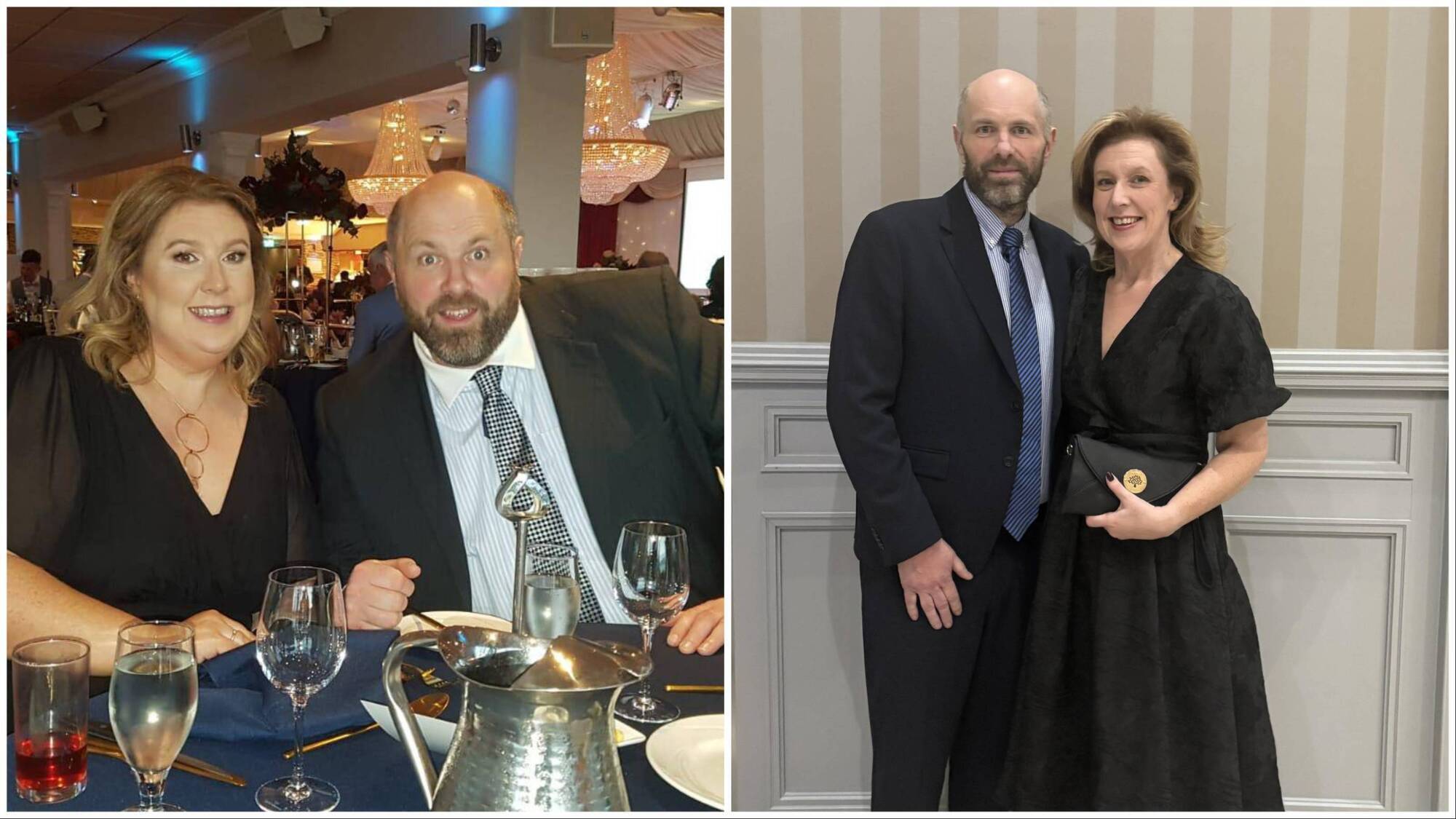
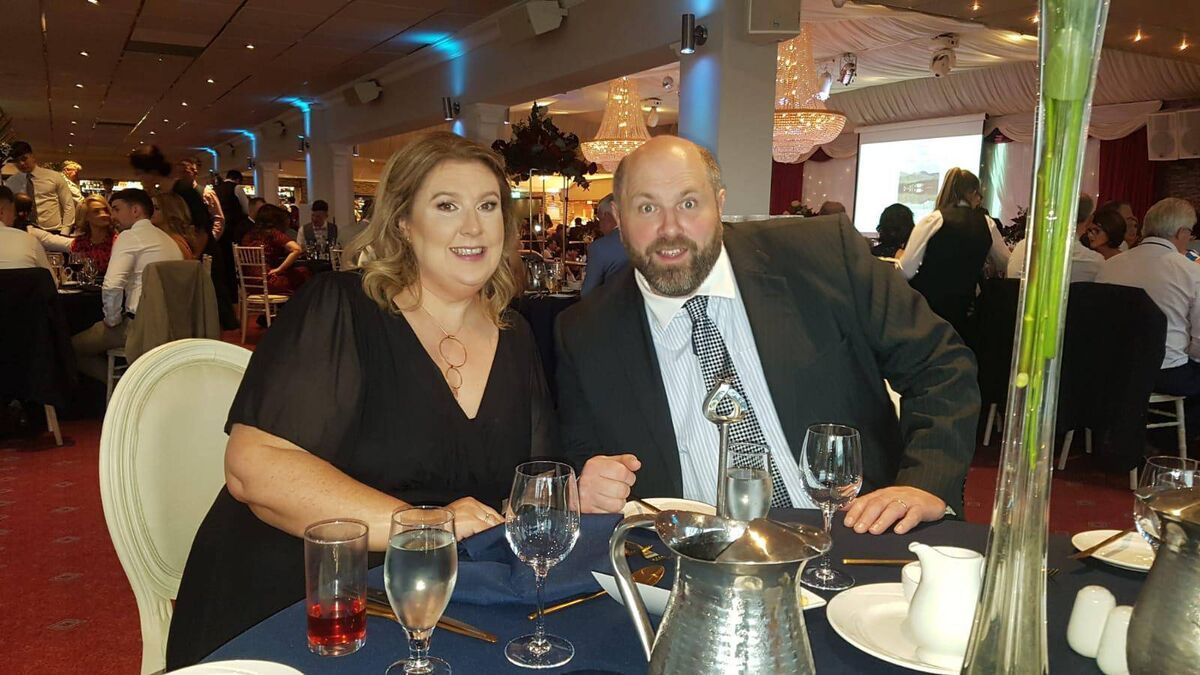
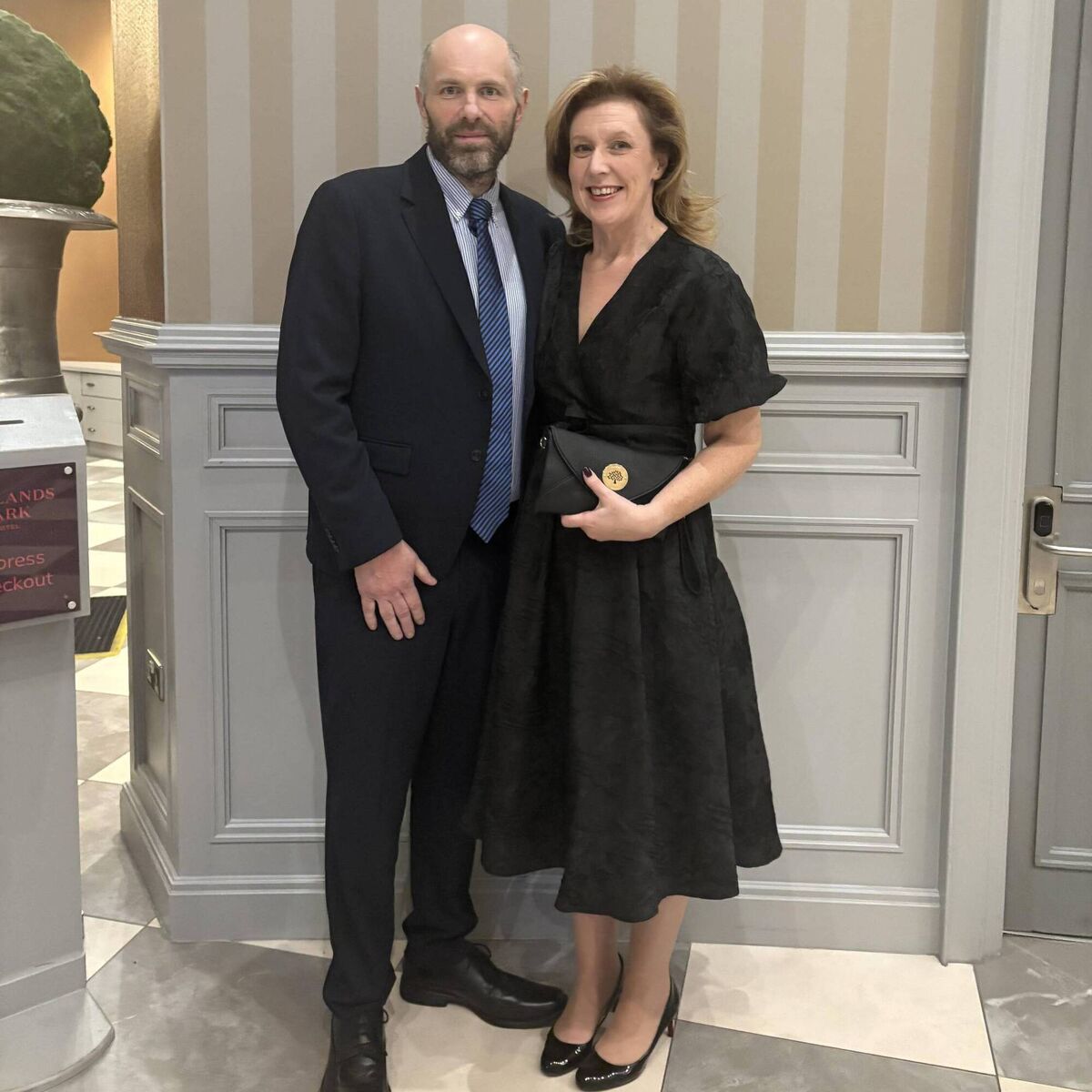
Niamh and Dermot Kelly before (left) and after they underwent bariatric surgeries.
A husband and wife who underwent weight-loss surgery in Cork have urged others struggling with obesity to consider such specialist treatment at home rather than using injections of travelling abroad for surgery.
The couple spoke out as questions grow over the cost of GLP-1 weight-loss drigs such as Mounjaro and Ozempic, while concerns have also been raised about the risks associated with bariatric surgery overseas, particularly outside the EU.
Niamh and Dermot Kelly, from Kildare, said surgery transformed their lives after years of struggling with their weight. The couple said their desire to start a family ultimately prompted them to seek treatment.
“Myself and Dermot went through a fertility journey,” said Ms Kelly.
“We kept running into problems with my weight, his weight, but more so in these situations the female’s weight.”
She was initially worried about the risks of weight-loss surgery, but after seeing another family member undergoing a successful procedure, Ms Kelly reconsidered. She had a full gastric bypass surgery in May 2022 at the Bon Secours hospital in Cork.
“I was 143kg, so I went from 143kg and my lightest was 69kg, so it was halved,” she said.
Read More
Mr Kelly's weight dropped from 166kg to 97kg after the surgery. “I feel unbelievable now, we feel healthy,” he said.
Ms Kelly had severe sleep apnoea, as well as problems with her knees, but post-surgery, these issues no longer bother her.
“I have more energy during the day,” she said. “I wasn’t saying no to things like I would’ve before. Everything changed for the better.”
The couple had been wary that surgery would change their love of socialising or eating. “We didn’t lose who we were,” said Ms Kelly.
What they lost instead was the need to plan around limits caused by obesity.
“So if I was meeting my sister for a meal I’d have to know how near could I park, what kind of seating was in the restaurant because of the weight; could I sit on the chair? Could I walk to the restaurant,” explained Ms Kelly.
Her husband said with the heatwave this summer, he would have been in bed every evening after work because his weight would have sapped his energy.
“Now you’re able to sit out there on the patio, have a chat and do things,” he said.
They bought a mobile home in Spiddal, Co Galway, last year, saying simple things like swimming and walking on the beach would not have been possible before.
Another milestone came when Ms Kelly travelled to Croatia on holiday.
"It was the seatbelt," she said. "I took a photograph of the seatbelt because I didn't need an extender."
They had both worried about having to follow a restricted diet post-surgery, but this has not proved an issue.
“We’re not saints, I’m the first one still for the bottle of wine or a Loop the Loop [ice-cream],” she said, adding their portions are smaller now.
“We have to watch things like alcohol now. Alcohol can be very dangerous for people who’ve had bariatric surgery."
She was told one drink can now act like four because of how their digestive systems have changed.
The Kellys are among a growing number of patients benefiting from bariatric weight-loss surgeries.
There were 167 such operations carried out in 2024, up from 108 in 2022, according to Department of Health figures.
Colm O'Boyle, the Kellys' bariatric surgeon, said such positive outcomes were common.
“Patients lose a significant amount of weight over a short time,” he said.
“And when they come back to see me after four weeks, their sleeping is better, their joints are less painful, they’re off their blood pressure meds, they’re off their anti-diabetic medications.”
Dr O'Boyle said patients often saw further improvements within three months as increased mobility allows them to exercise more easily.
He said many people presenting for surgery were living with severe obesity.
"They're coming in at 200kg. Patients could have a BMI [body mass index] of 70, 80, or even 90," he said.
Dr O'Boyle said his typical patient had a BMI of about 50 and weighed between 120kg and 140kg, although some patients weigh more than 200kg.
A healthy BMI is generally considered to be between 18.5 and 24.9.
Dr O'Boyle said one of his patients weighed 300kg before surgery.
“I point out to them that a BMI of 40 is taking eight years off your life, a BMI of 50 is taking about 15 years. So they will die 15 years younger [than expected]if they have a BMI of 50,” he said.
Health insurance companies point to the benefits of customers not facing diabetes or heart issues into the future.
“It’s all about improving mortality. The benefit is the quality of life improves but that’s not the reason the surgery is approved internationally,” he said.
The Kellys continue under his care, and have seen dietitians and psychology support as part of their package.
“It’s not just about the surgery, it’s about changing lifestyle,” said Dr O'Boyle, describing the overall approach as “cost-effective” for anyone with health insurance even compared to travelling abroad.
“They actually end up paying very little and it’s amazing the number of people going abroad who have private insurance cover who’d be far better off having their surgery here rather than taking the risks of going abroad,” he said.
“People often don’t realise it’s not that costly here if you’re covered.”
Dr O'Boyle previously warned of the risks associated with travelling abroad for surgery when he gave evidence at Cork Coroner's Court in 2024 following three deaths, including one involving bariatric surgery.
He told the : “I regularly see patients who were operated on in Turkey, just left on their own with really very poor advice.
“There are very good centres in Turkey — the problem is finding the right one; there are lots of dodgy ones as well.”
Dr O'Boyle said bariatric surgery also compared favourably, from a cost-benefit perspective, with so-called skinny jabs such as Ozempic and Mounjaro.
“The cost of GLPs is way higher than the surgery,” he said.
“If you have a patient on Ozempic for 20 years, the cost is about the same as 10 gastric bypasses.”
Susie Birney is an obesity advocate and supports people through the Irish Coalition for People Living with Obesity.
She urged people to take professional medical advice whether opting for surgery or GLP-1 treatment.
“People don’t understand the complexities of one person’s reason for weight-gain and their obesity,” she said.
“So the need for treatment can be very different.”
She advised: “Patients need professional support in whatever treatment they get, whether surgery or medications.
“Ultimately a proper healthcare obesity specialist should know how to advise what is best for you.”
Ms Birney said she had seen a new trend emerging as a growing number of patients view surgery and weight-loss medication as complementary treatments rather than alternatives.
“Some people feel that if they have surgery now aged 30 years old or 40 years old, then they have the medications to go back on later in life because obesity is a recurring disease,” she said.
She noted obesity is a chronic condition and weight regain can occur after surgery. Similarly, evidence shows people are likely to regain weight if they stop taking weight-loss injections.
“So there’s a big surprise to learn that people end up on medications after surgery and that’s a Plan B,” she said.
“We hear a lot of patients say having surgery is a tool and the medication is a tool in the toolbox. They’re saying ‘later when I’m 60 or 70 it would be easier to manage medication than to have surgery at that age'.”
She raised concerns about limited access to treatment in Ireland, including surgery.
“People are pushed into making rash decisions about where they go,” said Ms Birney.
She recalled an observation made recently by another obesity advocate that "patients stop waiting as citizens and start buying as consumers".
Ms Birney said the comment reflected the pressures facing many patients and called for a further expansion of the HSE's obesity treatment programme.
“I think it’s now being recognised there is more need,” she said, adding people are waiting two to three years for public bariatric surgery after being referred and argued many were being left "in limbo".
She said the scale of the challenge was reflected in estimates that about 60% of people in Ireland are overweight or obese.
Ms Birney welcomed plans for a new service in Mallow, Co Cork, but said capacity remained well short of demand.
The clinic at Mallow General Hospital is the latest public service to open following the model laid out in the original clinic at Loughlinstown in Dublin.
It now takes referrals through GPs or hospital consultants across Cork and Kerry.
A spokeswoman for HSE South-West said patients had begun going for appointments now. It has one consultant endocrinologist working there with patients who have severe or complex obesity issues.
It is an outpatient service and patients can have in-person appointments or telehealth virtual appointments.


CONNECT WITH US TODAY



Be the first to know the latest news and updates