New government strategy aims to make schools more diverse

There are currently 168 multi-denominational schools at primary level, but this number has been largely boosted by the construction of new schools
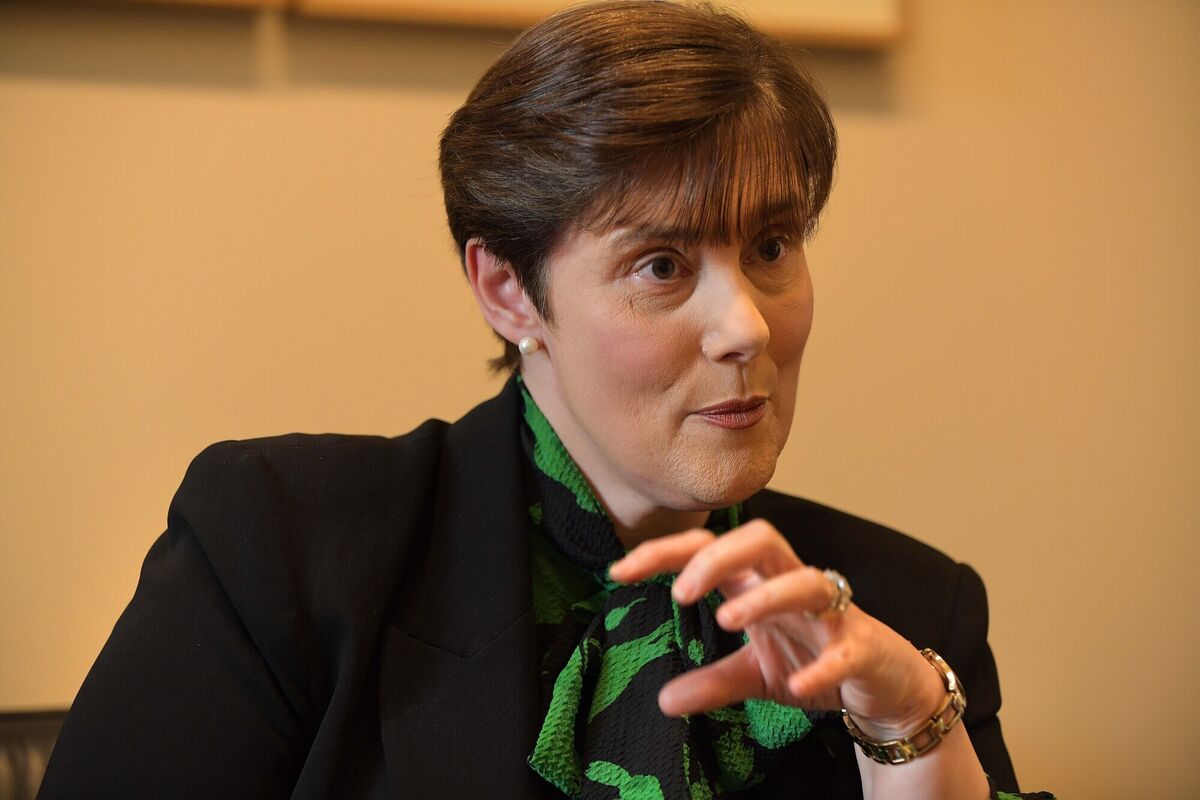
Education Minister Norma Foley is working on a new school divestment strategy in a bid to make the education system more diverse.
Ms Foley has admitted that there is "quite a bit of ground to go" to achieve the Programme for Government commitment to have 400 multi-denominational primary schools by 2030.
There are currently 168 multi-denominational schools at primary level, but this number has been largely boosted by the construction of new schools, with the number of schools divested from the Church remaining relatively low.
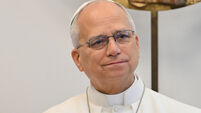
However, Ms Foley said she has engaged and met with bishops and there is an "appreciation" that offering a diverse choice in education is important.
"There's an absolute acknowledgement that we have a changing society, a society that is more diverse, and that there is greater opportunity for greater provision of choice within the education space. And that's what we're pursuing," she told the .
In 2011, then minister for education Ruairí Quinn launched an independent forum on patronage and pluralism in primary schools, and during his term began the process of school divestment. However, around 90% of the country's primary schools still remain under Catholic patronage.
A number of patronage transfers have taken place in recent years, resulting in the provision of 14 multi-denominational community national schools.
In March 2022 a pilot project was set up to identify potential schools and to engage with the school management, staff and the school community with a view to identifying demand for a transfer of patronage in a number of towns and areas of cities that had no multi-denominational primary schools.
These included Arklow, Athlone, Dundalk and Youghal as well as suburbs in Dublin and Cork.
As part of this process, one school in Athlone and another in Dublin 8 have transferred from Catholic patronage to become multi-denominational community national schools.
A review of this pilot scheme will be finalised and published shortly. It is envisaged that it will include a strategy and framework for delivering on the Government commitment for increasing multi-denominational provision.
Ms Foley said: "I'm looking towards in the new year that there will be a greater conversation in this particular space and we will be making announcements around inviting a more national conversation around what we can do, what the potential is, where we are currently, and what the vision might be going forward as well.
"Presently, we have quite a bit of ground to go to make up the 400 but we feel when we have the pilots completed, when the the new measures or the new approaches that we're hoping to begin with in the new year [are in place], that we will go quite a way."
But when pressed on whether the target of 400 will be achieved, she said: "I'm not going to put a number on it."

CONNECT WITH US TODAY



Be the first to know the latest news and updates