880 children without a school place forced to learn at home
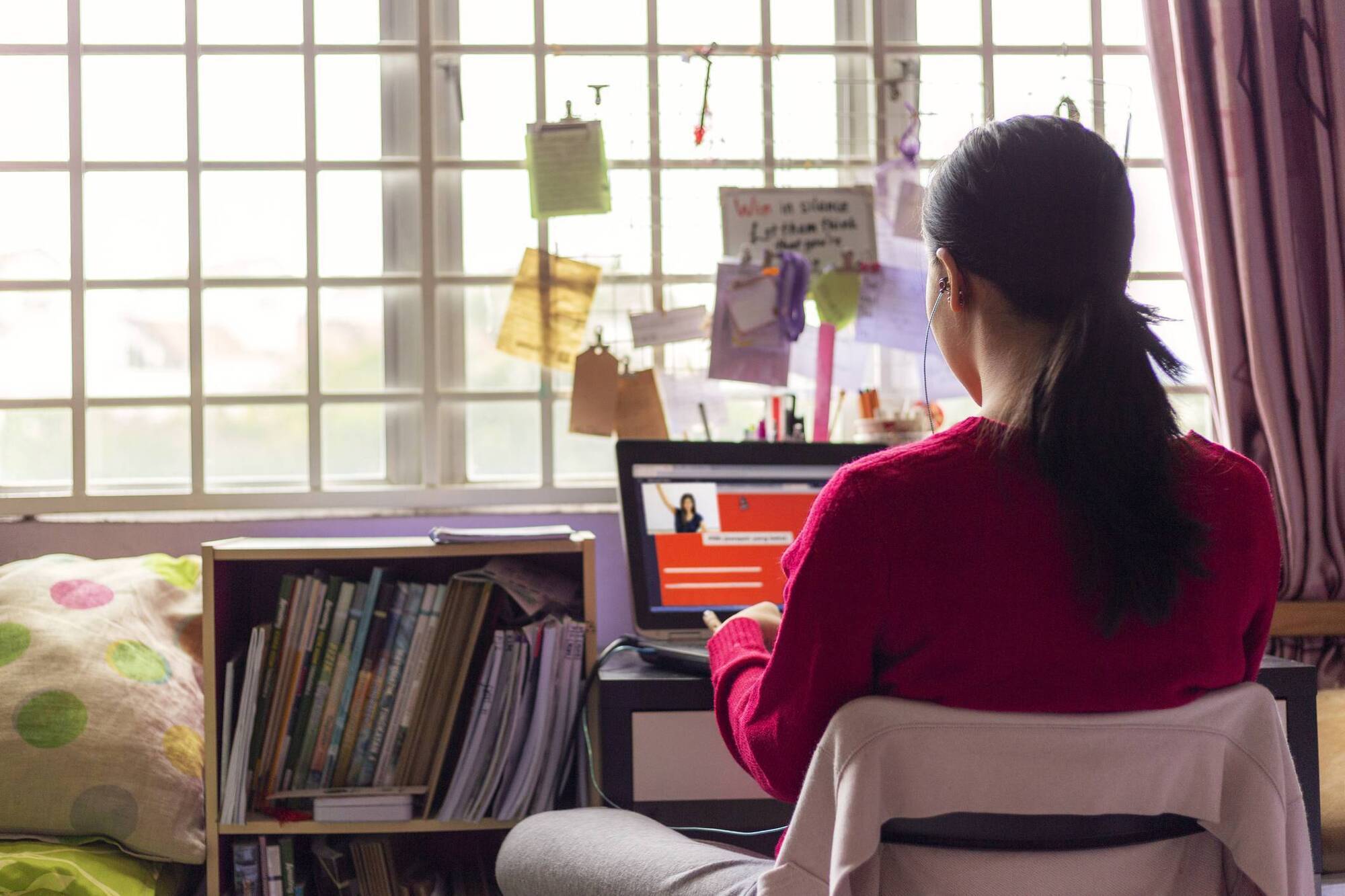
Education Minister Norma Foley said home tuition, which is not an alternative to a school placement, is provided in very limited and specific circumstances. Picture: iStock
Some 880 children who could not secure a school place have been forced to avail of the home tuition scheme over the last five years.
Last year saw the highest number of children without a school place (188) since the 2018/2019 school year, when 288 were forced to seek home tuition.
Among the 188 last year, 153 should have been in secondary school, while 35 should have been attending primary school.
A maximum of nine hours of home tuition per week is provided to children for 12 weeks under the No School Place strand of the Home Tuition Scheme, with some having to apply again if a school place is not secured during that period.
It was allocated to five children three times (36 weeks) covering the entire school year last year, while 39 children availed of home tuition twice, meaning they were without a school place for up to 24 weeks — the majority of the school year.
The remaining 144 availed of home tuition once, substituting for about three months of school.
Education Minister Norma Foley said home tuition, which is not an alternative to a school placement, is provided in very limited and specific circumstances.
“It is intended to be a short-term educational intervention. It is provided as an interim measure only for children for whom a placement in a recognised school is not available and should not be regarded as an optional alternative to a school placement,” she said.
The figures were provided to Sinn Féin TD Réada Cronin, who said it could come as a “nasty shock” to parents who are unable to secure a school place for their children, who end up missing out educationally, socially and psychologically.
“People find it hard to believe that a simple school-place is not guaranteed anymore and can’t be taken for granted in our society. it’s a horrible experience for the children themselves, who see their pals and neighbours going off in the mornings, so they can feel isolated, rejected, overlooked,” she said.
She also raised concerns about how the home tuition is operated, saying the onus is very much on the parent or guardian to pursue it for the child and argued that not all children can rely on their parents to do so.
“The department is much too hands-off with home tuition and should do much more for these children,” she said.
Ms Cronin said she was aware of a child who could not secure a secondary school place this year and is now having just six hours of tuition each week, which she described as “ludicrous”.
She said children should not have to rely on luck for their education, which is their right.
“This ‘leave it to luck’ approach reeks of a lack of proper care and professionalism by the Government in how it allows the Department of Education to operate. We see the same lack of care in the nightmare of school transport,” she said.

CONNECT WITH US TODAY



Be the first to know the latest news and updates