Stroke funding u-turn 'will cost lives', charity warns
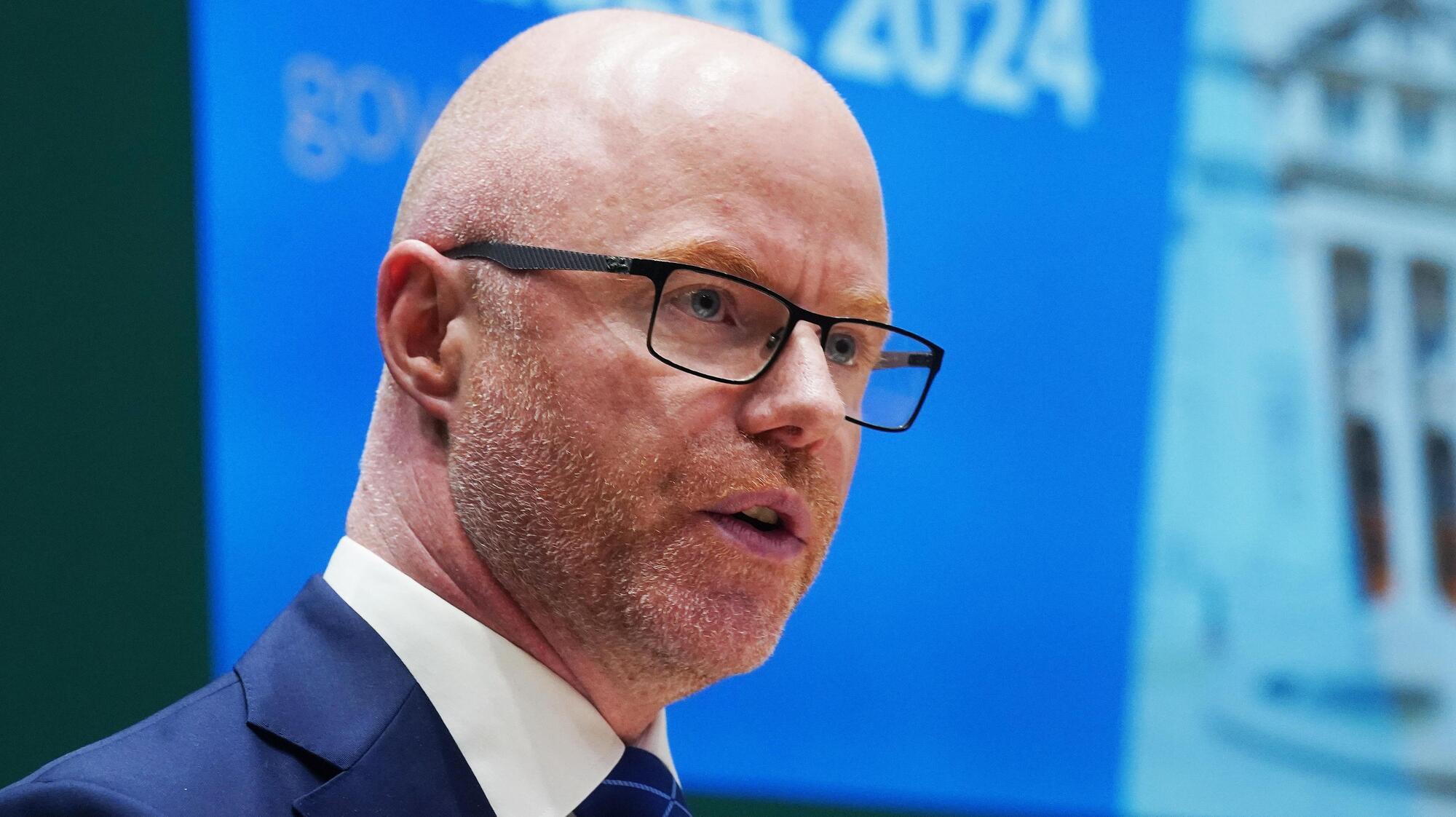
Minister for Health Stephen Donnelly announced a HSE recruitment freeze due to financial constraints in recent weeks.
More stroke patients will die and suffer severe disabilities if a pledge to fund vital services is reneged on, the Irish Heart Foundation has warned.
The Health Service Executive (HSE) said there would be no funding this year to deliver the National Stroke Strategy, thereby restricting lifesaving services such as thrombectomy, and increasing the risk of stroke unit closures, the charity said.
“The irony is that a failure to roll out the strategy will cost lives without saving the health service a red cent,” Kathryn Walsh, Policy and Legislative Affairs Manager with the Irish Heart Foundation said on Sunday, on World Stroke Day.
“The result will be more patients requiring nursing home care and longer stays in hospital.
“If we’ve learned anything from the improvements in stroke services of the last decade, during which deaths have fallen by a quarter and direct discharge to long-term care by even more, it’s that it’s cheaper to invest in stroke services than to underfund them.”
"Minister for Health Stephen Donnelly said in March that the Stroke Strategy would 'provide significant improvements in service delivery, with improved patient flow and efficiency in the delivery of stroke services’.
“Now, months later, it has been de-funded.”
Death and severe disability rates were around 25% lower among stroke patients treated in stroke units, but the national network of over 20 units was already under huge strain due to understaffing and closures were likely, according to the Irish Heart Foundation.
"Restrictions on thrombectomy services, which is a procedure to remove a blood clot from a blocked artery in the brain, would cost lives,” said Ms Walsh.
“Thrombectomy is the most effective treatment for stroke – reducing the death rate by half and almost doubling the rate of recovery to complete independent living.
“Ireland is a world leader in this area, but all this progress could be lost without proper investment.”
Ms Walsh said that the number of strokes in Ireland was predicted to increase by 60% by 2035.
“But the health service isn’t meeting current need, let alone future-proofing services for an extra 4,000 strokes a year,” she said.
“This will have grave consequences. Stroke services will be overwhelmed, resulting in much larger numbers of stroke patients being treated in emergency departments, which will severely impact patients with all serious conditions.
“Meanwhile stroke survivors, who are already essentially abandoned at the hospital gates due to a dearth of HSE-provided post discharge services and supports in vast swathes of the country, will be even worse off.
“Research has shown that on average, funding for community-based rehabilitation is enough for one to two physio sessions for stroke survivors who leave hospital with often profound physical, communication and psychological difficulties.
“And now more stroke survivors will be emerging from hospital with greater needs due to downgraded acute services.”
The Irish Heart Foundation's warning comes weeks after this year’s record €22.5bn health budget (equating to some €4,000 for every person in the State). But despite the increased funding, the HSE warned of a black hole of €1.3bn on their balance sheet.
Minister for Health Stephen Donnelly announced a HSE recruitment freeze due to financial constraints in recent weeks.

CONNECT WITH US TODAY



Be the first to know the latest news and updates