Local authorities need to retrofit 5,000 social homes a year to meet climate targets, watchdog says
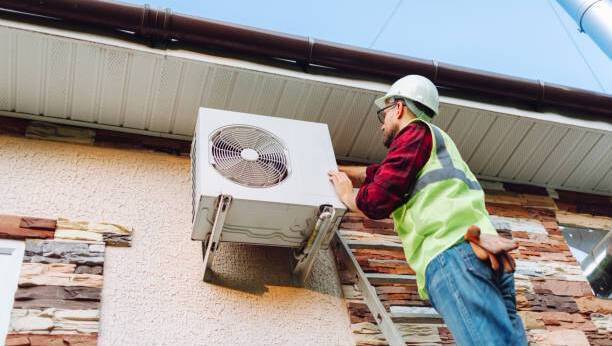
Only 10,370 social homes were retrofitted in the last five years, according to the Climate Change Advisory Council.
Local authorities need to retrofit about 5,000 social homes a year if they want to meet Government targets by 2030 — twice as many as those completed last year.
Only 10,370 social homes were retrofitted in the last five years, according to the Climate Change Advisory Council.
The independent adviser to the Government is now calling for increased multi-annual funding in the next budget for local authorities to meet the targets of 36,500 retrofitted social homes by 2030.
The watchdog also warned that as long as Ireland remained “heavily dependent on fossil fuels to heat homes and buildings, our households, businesses and public services will remain exposed to global price volatility and energy insecurity".
The recommendations come following the launch of the watchdog’s Built Environment chapter for 2026, which urges increased investment and faster roll-out in retrofitting, heat pumps, solar PV, and district heating to “reduce emissions, improve comfort and health outcomes and to protect citizens against volatile energy costs".
The entire built environment sector accounted for 12.5% of total greenhouse gas emissions last year. Residential building emissions fell year-on-year by 5%, while those from commercial and public buildings fell by 3.5%, mainly due to a warmer winter.
The council warned that while there has been a reduction in built environment emissions, it should “not be mistaken for structural progress”.
Residential and commercial/public buildings remained within their first sectoral emissions ceiling for 2021-2025 but the outlook for the next carbon budget period is “much more challenging".
It projects that these buildings will exceed their second sectoral emissions ceilings for 2026-2030 by 22% and 62% respectively.
Ireland's legally binding carbon budgets, which allocate emissions ceilings to the likes of motorists, households, farmers, businesses, and industry in five-year cycles, aimed to reduce emissions by 4.8% a year from 2021 to 2025 under the first block, while the 2026-2030 budget will increase that annual reduction target to 8.3%.
The first five-year target was missed, and experts say it is all but impossible to meet the next five-year aims.
The climate council also urged the Government to urgently publish the National Building Renovation Plan and to include a “clear plan to phase out fossil fuel boilers by 2040 or sooner".
“Approximately 90% of current heat demand is met by fossil fuels, so a clear policy framework for decarbonising heat should be established,” the council said.
It highlighted that the Government should maintain the planned trajectory and ringfencing of the carbon tax to help support vulnerable households to move away from “costly fossil fuels” for home heating.
“Any additional cost-of-living supports introduced during the fossil fuel crisis should be temporary and targeted towards the most vulnerable,” it said.
“Longer-term action on energy affordability should include accelerating the adoption of solar photovoltaics for rented and social housing,” the council added.
Chairperson of the council Alex White said while the Government had set the right ambition to end Ireland’s reliance on fossil fuels, “the test now is delivery".
“We have the solutions, and we know there is an appetite for them, but they must be enabled through policy and legislation. These solutions must be funded to deliver lower-cost clean energy for Ireland,” he said.
“Our communities also need plans and solutions to prepare for the impacts of climate change, especially coastal areas and those that are at risk of flooding.
“To meet the 2030 target, local authorities will need to retrofit around twice as many homes each year as were delivered in 2025,” he added.

CLIMATE & SUSTAINABILITY HUB
CONNECT WITH US TODAY



Be the first to know the latest news and updates