Budget 2024 has introduced savings fund to 'protect the future for young people today' says Tánaiste
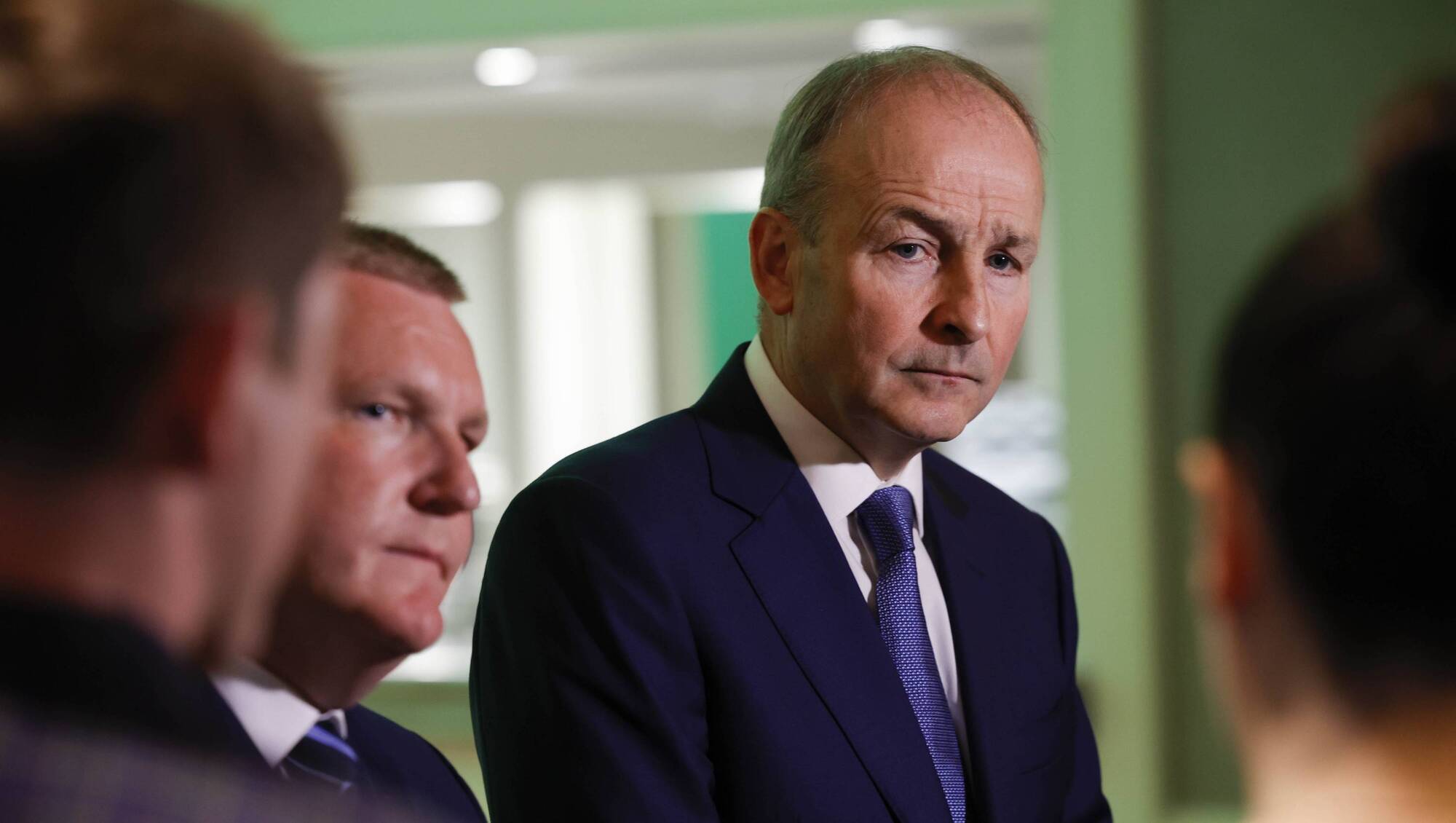
Micheál Martin said the introduction of the savings fund will help "protect the future for young people today, the 20-year-olds and 30-year-olds today, not in decades ahead, but in the decade ahead."
The Tánaiste has said that the most important legacy from Budget 2024 was the "far-seeing measure" of the introduction of a savings fund.
Budget 2024, which was announced on Tuesday, has targetted the "squeezed middle" by introducing a raft of cost-of-living measures including three €150 universal energy credits, substantial investment in childcare, the expansion of the free schoolbooks scheme, income tax reductions and a crackdown on cigarettes.
The €6.4bn budget is likely the last in this lifetime of this government.
Other measures saw pensioners being given a €12 increase in weekly payments, small and medium-seized businesses receiving up to €10,000 in rates support, while landlords, tenants, and some mortgage holders are to benefit from tax reliefs.
Micheál Martin said the introduction of the savings fund will help "protect the future for young people today, the 20-year-olds and 30-year-olds today, not in decades ahead, but in the decade ahead."
“And we will be providing funding annually now to provide for services, to provide for infrastructure. That is, I think, perhaps the most important legacy of yesterday's budget, as is the infrastructure fund and climate fund," he told RTÉ's Morning Ireland on Wednesday.
“Why? Because if a recession comes or the economy downturns, the tendency has always been to cut capital projects. But we're saying by this measure is we want to maintain momentum on a Metro.
"We want to maintain momentum on new rail systems and public transport and more busses and so on, and electrification of the bus fleet. And we don't want a situation in the future if there's an economic downturn that we don't have a sufficiency of capital to meet those infrastructural needs because we do need to do that properly into the future.”
Mr Martin also said that it was inevitable that any budget would see varying criticisms in the aftermath but said it had been challenging after “a very significant inflationary period of the last two years”.
He also highlighted that the population was aging and the population was growing which meant increasing pressures on public expenditure and the existing levels of services.
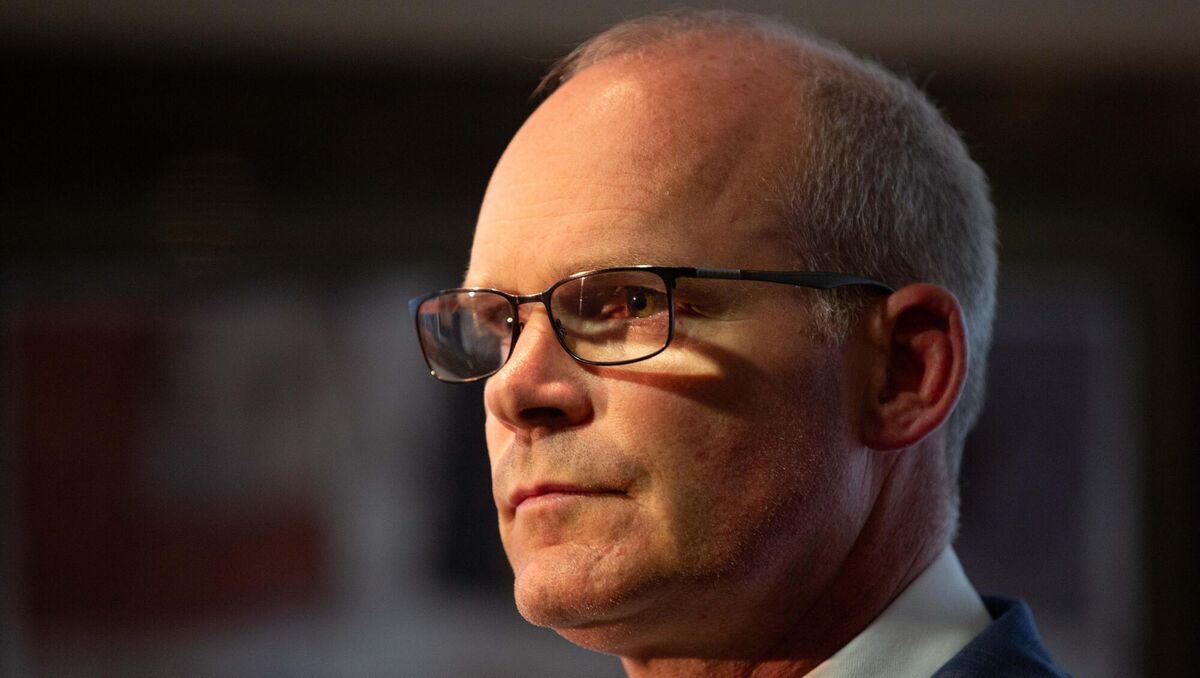
Meanwhile, Minister for Enterprise, Trade and Employment Simon Coveney has cautioned that people cannot take for granted that there will be a surplus every year when it comes to the budget.
Mr Coveney said Ireland was different from most countries in the world who were not operating with budget surpluses.
“We have a strong economy, we have full employment and have actually had more than full employment and the country's finances have been managed relatively well," he told Newstalk Breakfast on Wednesday.
However, Social Democrats leader Holly Cairns has said that major issues people in Ireland are facing including housing, childcare, child poverty and disability services have not been addressed in this year's budget.
“Instead, what we've seen is kind of a bit for everyone, kind of more of the same and not a real meaningful approach. It's kind of a sticking plaster to cover up our eroding services and the absence of investment in core financial services and financial supports for people who really desperately need them,” she told RTÉ radio’s Morning Ireland on Wednesday.
Ms Cairns said she had been “gobsmacked” at the absence of any kind of meaningful approach to really address child poverty despite a unit being set up within the Taoiseach’s office.
She said she thought it was a typo when she saw the €64m allocation to disability services given the department’s own review which had said it required €350m.
“There's nothing to indicate any kind of a change in the approach to housing, to make housing more affordable and therefore more social affordable homes. The list goes on. It's kind of a bit for everyone, not enough to make a difference and a little bit more for people who need it less.”
The Budget could have gone further in addressing childcare costs, she said. Fathers were not taking up paternity leave, not because they did not want to spend time with their babies, but because they could not afford to do so because of rising energy costs and childcare costs.
“It's about giving parents a choice because some people want to spend more time at home with their children. Some people want a reduction in childcare costs. And I think we have to empower people to make their own decisions in relation to that. And a lot more could be done," Ms Cairns added.
CONNECT WITH US TODAY



Be the first to know the latest news and updates