'We have subconsciously created a lot of barriers': The rugby documentary challenging perceptions
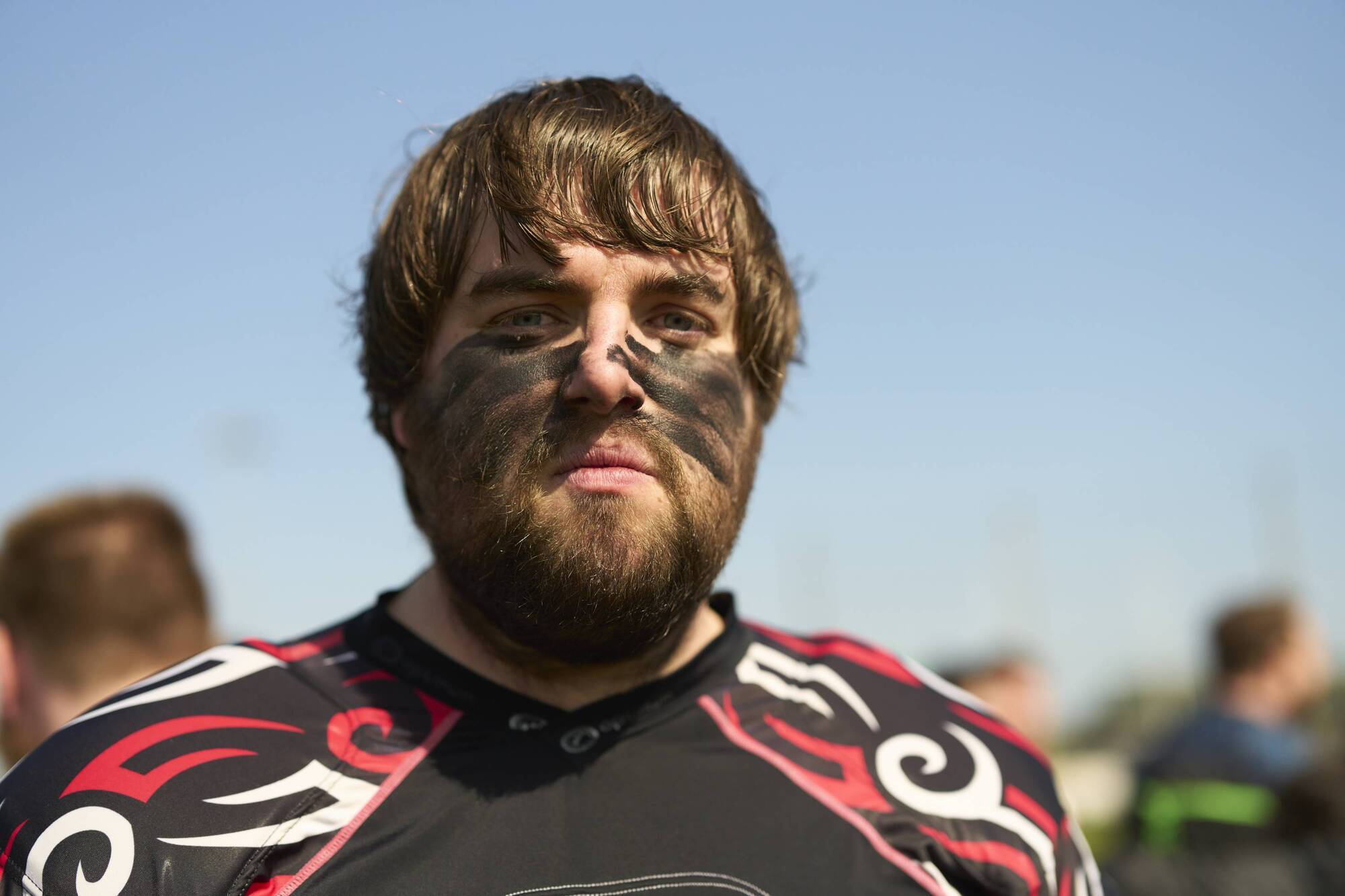
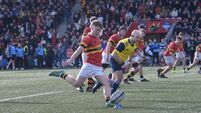
Sunday's Well Rebels player Richie Philpott. TRY! is in cinemas now. For more information on where you can watch it, visit tryfilm.ie
There’s a moment midway through TRY! that hits like a head-high tackle from a 6’ 6”, 19st second row.
When she was four months old, Maeve Owens required lifesaving heart surgery. Her parents, Geraldine and Ted, were shocked when it was suggested their lives and that of their daughter might be easier without it.
“Are you sure you want to have this operation done?’ Ted recalls a medical professional saying. “I mean, she has Down syndrome. She'll have her own particular difficulties in life and she'll be dead soon enough if she doesn't have the operation and maybe it's something you should consider.”
That was the early 90s. The casual cruelty of a system which should protect a country’s most vulnerable but instead questioned whether they were worth the effort is still devastating.
Read More
TRY! - which is in cinemas from October 2 and earlier this year won best documentary at the Galway Film Fleadh - follows four Irish mixed ability rugby players: Maeve of the Ballincollig Trailblazers, Richie Philpott of Sunday’s Well Rebels, Paul Deacon of the DLSP Vikings, and Tommy Crawford of the Malone Tornadoes. All are on a journey to the 2025 World Cup in Spain.
The sport is 15-a-side and full contact. It embraces that ideal sense of rugby, one where it is open to people of all shapes and sizes, but “on a much grander scale”. Those with and without disabilities participate.
For the parent of a child with additional needs, Maeve’s parents’ revelation leaves you needing a HIA but the film doesn’t get time in the sin bin. There’s mitigation: the umpteen times it made us laugh, 10 times out loud in the opening 20 minutes alone.
“There’s a sense sometimes that you can’t laugh with someone who has a disability,” said the film’s director Oisin Misteil. “People who have disabilities are funny just like anybody else is.”
The central characters are presented as full people, not ones defined by their disabilities. Richie carries his “war machine” speaker to matches. “People who see me walking and playing tunes, they know I’m a force,” he says.
It’s four years since Misteil attended the mixed ability rugby World Cup held in Cork and got the idea for the documentary. He met Richie for a pint one evening after a training session.
“He’s just so disarming and earnest,” said Mistel.
“He’s such a gregarious, out-there character with really strong, passionate interests and things that people maybe wouldn’t be used to.” Maeve studies matches on YouTube and does passing drills in the garden. Her friendship with teammate Clodagh was always going to be central to the story. During a December ‘dipathon’ in the sea to raise money for their World Cup trip, Maeve tells us, “I will be brave. I won’t drown.”
Late on, they found the “genuinely poetic” Paul who “became the messenger, the person who’s really challenging the audience” about inherited beliefs about what people with disabilities can and can’t do.
His sister Jeamie, who played rugby for Ireland, introduced him to rugby. “The thing I like about my team, they do not back off,” he says. “They do not tell each other, ‘you're not worth it’. You are worth it.”
Tommy – the able-bodied player of the four central characters - welcomes us to his back garden pub, the Monkey Claw Tavern, a “lockdown project that’s sort of got out of hand”.
“Tommy was willing to be very vulnerable with us,” said Misteil. “Most people who play rugby are men like Tommy who might suffer silently with mental health issues or mightn’t even realise what their team does for them in terms of that camaraderie and how far that can get you.”
The sense of belonging all four get from the sport is palpable. Misteil has felt it too. During the World Cup in Spain, he got a Trailblazers tattoo, as did Maeve.
“The team atmosphere on these four teams that we followed is amazing,” said Misteil.
“I’ve played with lads — I wouldn’t even know their surname or what job they do, but we played football together for six years. It’s a really specific but strong bond. It’s like that bond, but it’s on performance-enhancing drugs.”
Misteil estimates that there are eight or nine mixed ability teams in Ireland. Paul’s dream is for there to be one in every town.
“We’re so conditioned now as a society,” said Misteil.
“We see something like Maeve hitting contact, taking a tackle, bursting through a few women. That’s still shocking to us visually. And I wish it wasn’t, but it is.
“I think that’s maybe something that mixed ability rugby is pioneering here. We have subconsciously created a lot of barriers for people with disabilities where there don’t need to be barriers. It’s time that we started deconstructing those things that we’ve created in our own mind.
“If mixed ability works somewhere as cutthroat and aggressive and violent and challenging as a rugby pitch, why doesn't it work, or why won't it work, in your workplace or in your classroom or in your social group?”


CONNECT WITH US TODAY



Be the first to know the latest news and updates