'Drier, warmer conditions are definitely on the way for Ireland'
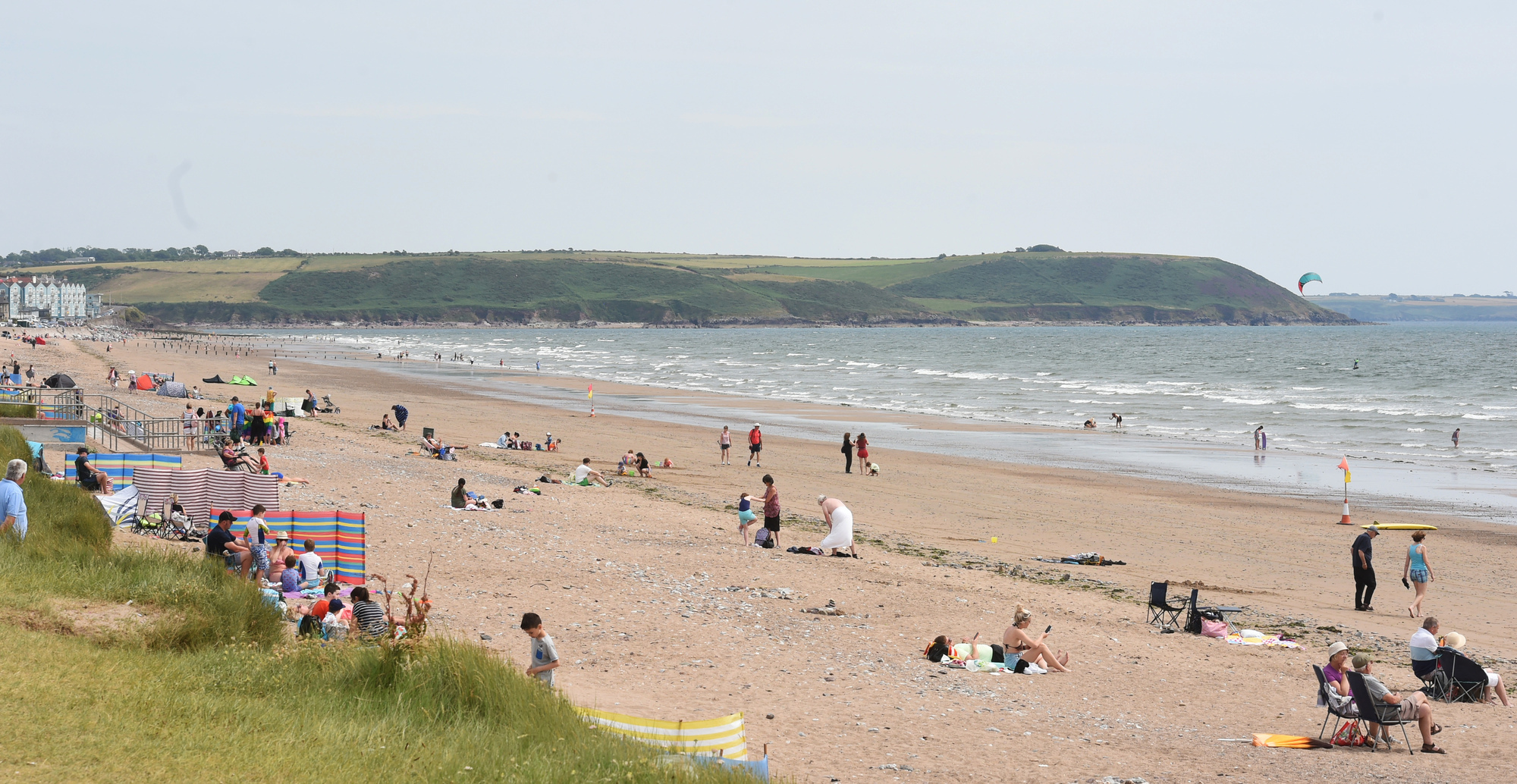
The World Meteorological Organization (WMO) published a new report which said there was a 98% likelihood that at least one of the next five years would be the warmest on record. Picture: Karry Cummins
The world is "hurtling headlong into a catastrophe" after new forecasts said that it is almost certain for new record temperatures to be recorded in the next five years and for temperatures to regularly eclipse the crucial 1.5C mark by 2027.
The World Meteorological Organization (WMO) published a new report which said there was a 98% likelihood that at least one of the next five years would be the warmest on record.
However, the breaching of the crucial 1.5C above pre-industrial levels threshold should only be temporary according to the WMO research.
WMO secretary general Professor Petteri Taalas said: “This report does not mean that we will permanently exceed the 1.5C specified in the Paris agreement, which refers to long-term warming over many years.
“However, WMO is sounding the alarm that we will breach the 1.5C level on a temporary basis with increasing frequency.”
University College Cork School of Biological, Earth & Environmental Sciences lecturer Chris Mays said that this 1.5C threshold, agreed at the landmark Paris Climate Accords, was ambitious even then and that it was a “safe bet” to prepare for a world that will be at least 2C warmer.
“People talk about turning points and thresholds,” he said.
“It’s more complicated than that. But it does mean we are going to get very warm summers and very dry conditions. Drier, warmer conditions are definitely on the way for Ireland.”
Environmental commentator and journalist John Gibbons said the WMO report shows the rate of warming of the planet is “still catching people by surprise” and that the extreme heat seen in parts of the world in the last year will only get worse.

“It’s hard to imagine how dangerous this is,” he said. “We’re nudging closer to a climate tragedy.”
Mr Gibbons said that if Ireland were to experience “mega drought” conditions in the next few years it could have a huge impact on the agricultural sector if other countries experience similar conditions at the same time. He said countries like Ireland need to be more resilient to the impacts of climate change in the future.
“At or beyond 1.5C and all bets are off,” he said. “Beyond 1.5C, we’re essentially in a different world and one big impact is on food production.
“I don’t know what’ll change this trajectory.
Mr Mays said that Ireland has good opportunities available to it to try to mitigate the worst aspects of climate change, such as keeping peatlands wet. “We have a responsibility to take charge,” he added.
The latest forecasts come as data this week from Eurostat showed that Ireland’s greenhouse gas emissions rose 12.3% in the last three months of 2022, the highest rise of any country in Europe.
Eurostat said that air travel contributed to this rise with Irish resident airlines are accounted for “even if the emissions emitted outside Irish territory”.
Speaking at the Council of Europe summit in Iceland, Taoiseach Leo Varadkar said he would not tell Irish people to fly less despite the latest figures.
Mr Varadkar said that the overall impact of aviation on Irish emissions was relatively low but he believed that the sector's future should focus on efficiency and new fuels.
“Aviation accounts for roughly 2% to 3% of greenhouse gas emissions, so not negligible, but still not as much as many other sectors.
“The solution into the future is more efficient aircraft but also the development of synthetic or sustainable aviation fuels and I want us to be a leader in doing exactly that.
“So you know, rather than saying to people that they shouldn't fly, I think we need to do is to continue to invest in more efficient aircraft and getting more ready to use those sustainable synthetic aviation fuels.”
Check out the Irish Examiner's WEATHER CENTRE for regularly updated short and long range forecasts wherever you are.