Sustainable cities with many green spaces key to cutting greenhouse gas emissions
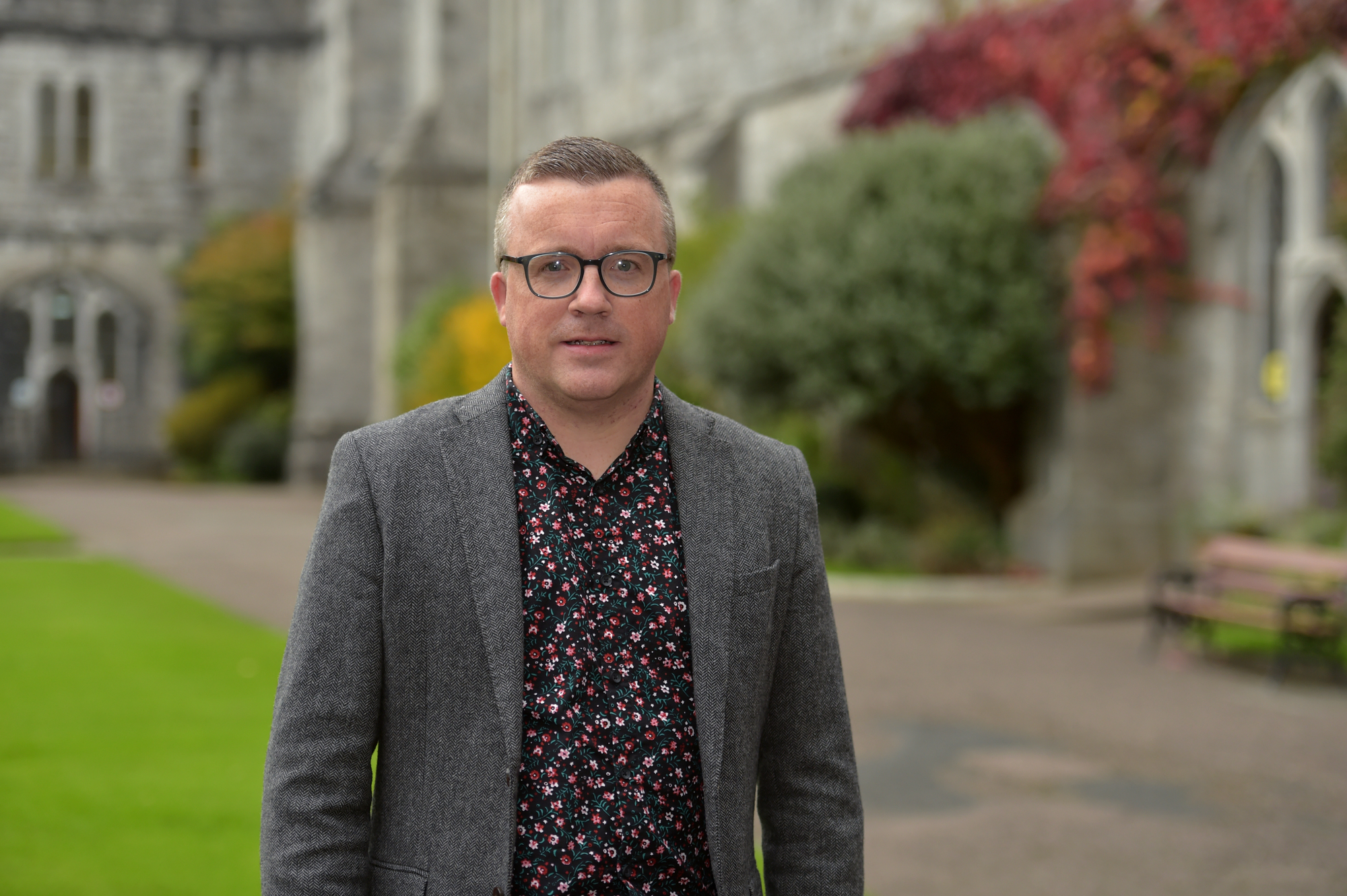
Dr Eoin Lettice said this week's report from the UN-backed Intergovernmental Panel on Climate Change (IPCC) shows "we would knowingly be condemning future generations to dire consequences" if rapid decarbonisation does not occur. File picture: Dan Linehan
Sustainable cities with a myriad of public transport and green spaces are key to rapidly reducing greenhouse gas emissions and defending against climate change, according to one of Ireland's leading biodiversity experts.
Eoin Lettice, plant scientist at the School of Biological, Earth and Environmental Sciences and the Environmental Research Institute at UCC, said this week's report from the UN-backed Intergovernmental Panel on Climate Change (IPCC) shows "we would knowingly be condemning future generations to dire consequences" if rapid decarbonisation does not occur.
The IPCC report, compiled by dozens of global scientists including Maynooth University's geography professor Peter Thorne, warns emissions should be decreasing by now and will need to be cut by almost half by 2030, if warming is to be limited to 1.5C.
That figure describes the tipping point to stave off the worst fall-out from climate change.
The world is currently at 1.1C above pre-industrial levels after more than a century of burning fossil fuels as well as unequal and unsustainable energy and land use, leading to extreme weather events in every part of the world, the IPCC said.
Dr Lettice said: "The evidence is very clear. If we do nothing, too little, or indeed take decisions that actively work against solving climate change, future generations will not forgive us.
The IPCC report again points out the need for sustainable cities including supporting public and active transport, Dr Lettice said.
"Think BusConnects in Cork and other Irish cities, as well as green infrastructure such as trees and green spaces that can support some carbon uptake and storage, as well as protecting our cities and towns from the worst impacts of climate change.
"Green infrastructure such as parks, gardens, street trees, etc. can protect citizens from heatwaves, flooding, heavy rainfall, drought, while offering the bonus of improved health, wellbeing and livelihoods.
"Building sustainable, green cities is a prime example of where solutions to the climate emergency can also make for better cities for everyone. There are few downsides to these solutions and we need to be implementing them in our cities immediately," he said.
Nature-based solutions are vital, he added.
An example of a nature-based solution would be planting trees in coastal areas, known as mangroves, that would simultaneously tackle storm impacts on people and local economies, but also provide habitats for flora and fauna.
Dr Lettice said: "However, the IPCC report makes clear that such "ecosystem-based" approaches will become less effective with increasing warming. Above 1.5C warming, the report notes, ecosystems like warm-water coral reefs, coastal wetlands and rainforests will reach a point where they can no longer adapt to a changing climate and their effectiveness as nature-based solutions to climate change will be lost.
"Nature itself is one of our best tools for solving this crisis. Doing too little, too late means we could be throwing away these tools."


CLIMATE & SUSTAINABILITY HUB
CONNECT WITH US TODAY



Be the first to know the latest news and updates