Boy secures €4m settlement over traumatic birth at Cork University Maternity Hospital
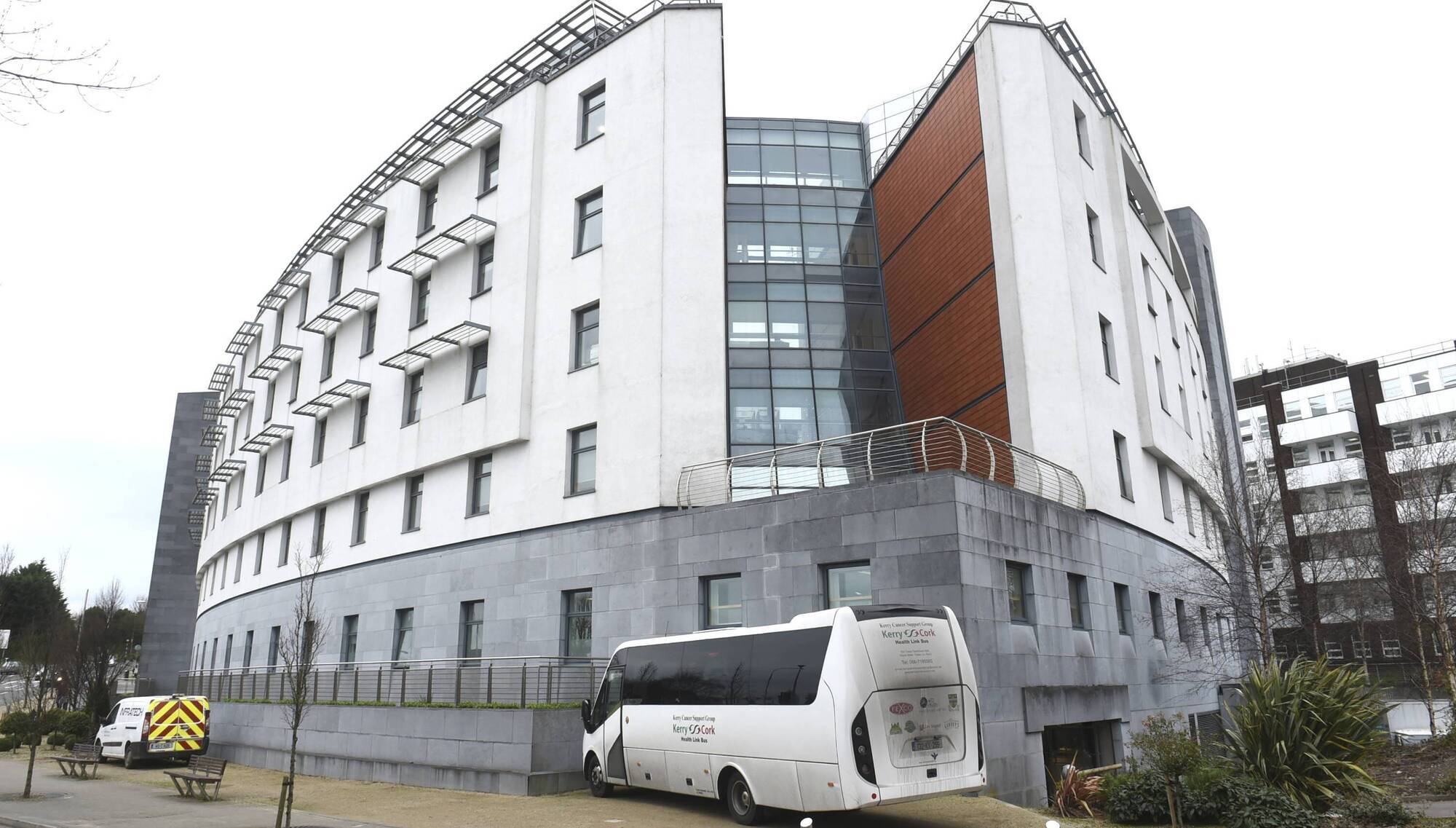
Cork University Maternity Hospital. The boy's counsel told the court that the boy’s delivery at the hospital in 2014 was traumatic.
An 11-year-old boy who had sued over the circumstances of his birth at Cork University Maternity Hospital has settled his High Court action for €4m.
The settlement against the HSE, which was reached after mediation, is without an admission of liability. The boy and his family cannot be identified by order of the court.
His counsel, Dr John O’Mahony SC with Cian O’Mahony BL, told the court that the boy’s delivery at the hospital in 2014 was traumatic.
Counsel said it was their case that the mother who knew she had a heavy baby at the time asked for a caesarean section but that wasn’t done.
The baby boy had to be resuscitated and was in intensive care following his birth.
Counsel said it was their case that the baby had suffered hypoxic ischaemic encephalopathy — a type of brain damage caused by a lack of oxygen to the brain. Counsel said it is of a mild variety and the boy has some cognitive issues but is doing well at school.
Dr O'Mahony said a full defence was entered in the case and all of the claims were denied.
The boy’s mother told Mr Justice Paul Coffey it was a “very hard delivery” for her, and she did not get to see her baby for two days after he was born. She said the past few years had been very difficult but their son was very resilient and willing to take on every challenge.
The boy sued the HSE through his mother.
It was claimed the baby was delivered by a mode of delivery that was not the mode of delivery that had been repeatedly requested by the mother.
It was also claimed there was an alleged failure to take the appropriate steps in terms of maternal positioning and manoeuvres and shoulder dystocia was allegedly encountered during delivery.
It was further claimed there was an alleged failure to carry out adequate examinations, investigations, and monitoring in the neo natal period.
All of the claims were denied and it was contended by the HSE that the obstetric treatment and care provided to the mother and baby was of an appropriate standard of medical care. It also claimed that it was not reasonably possible to predict or prevent the occurrence of shoulder dystocia and when it occurred that it had been managed in an appropriate way and to an appropriate standard of medical care.
Approving the settlement, Mr Justice Paul Coffey said it was a case fraught with all manner of legal difficulties and ought to be settled. He said in the light of the litigation risks in the case the settlement achieved was very good and represented greater than 50% of the full value of the case.
He wished the boy and his parents the very best for the future.

CONNECT WITH US TODAY



Be the first to know the latest news and updates