Justice budget includes €9m increase in funds to tackle gender-based violence
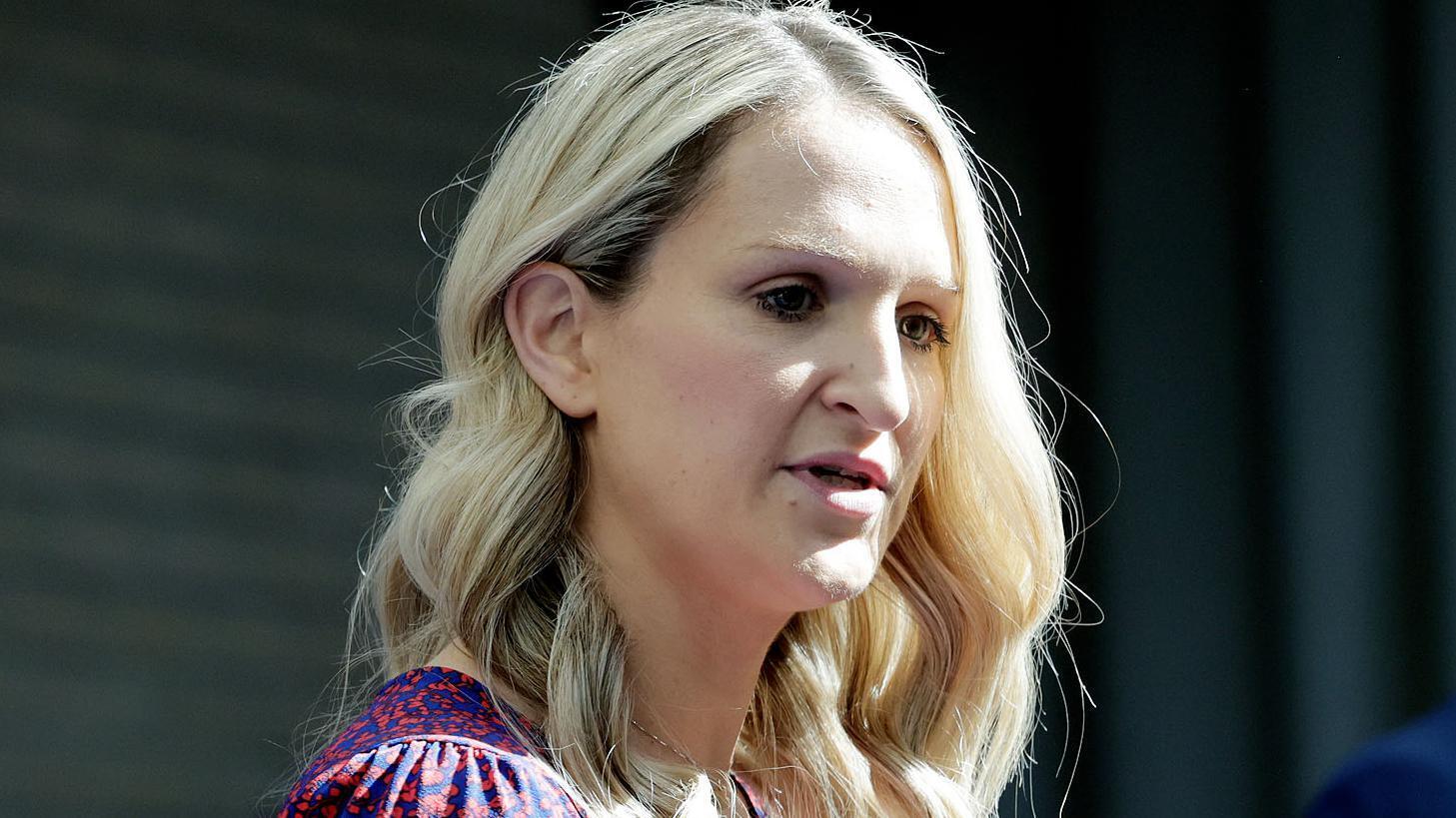
Justice Minister Helen McEntee welcomed the clearer statistics on the issue provided in last week's report from An Garda Síochána. File picture: Maxwells
Justice Minister Helen McEntee has said it is “not surprising” to her that gender-based violence is on the rise, but added that it is “very helpful” to have clear statistics on the trend for the first time.
A landmark report by An Garda Síochána launched last week showed that women suffering from gender-based violence are overwhelmingly likely to know their attacker while, in 2021, homicides relating to such abuse outnumbered unlawful deaths from any other motive.
Announcing a €9m, or 22%, increase in budget funding to tackle domestic, sexual, and gender-based violence while implementing the Government’s zero-tolerance policy towards such violence, Ms McEntee said the rise in reported cases “show[s] the challenge that we have and the issue is that this really needs to be addressed”.
One positive of the report, she said, is that more people are reporting experiencing such violence despite the possibility that the Garda 999 calls scandal — which saw thousands of domestic-violence calls to gardaí being deleted — might “have put people off”.
Ms McEntee was announcing a record Justice budget of €3.3bn, a 5% increase year on year, with €2.14bn of that apportioned to An Garda Síochána for the recruitment of an additional 1,000 officers. That recruitment target would likely be met by the end of 2023, the minister said.
Other highlights from the Justice budget include:
- Further investment into resources such as garda vehicles and a new fixed-wing aircraft — “a requirement in terms of security” according to the minister;
- A major staffing package for the Irish Prisons Service to incorporate the recruitment of 100 new prison officers;
- An additional €9.2m to support the response to the Ukrainian refugee crisis;
- €1m in additional funding to progress the establishment of the long-awaited gambling authority, with junior minister James Browne floating some time in 2023 as a potential go-live date for the regulator.
Regarding the number of Ukrainians seeking refuge in Ireland, Ms McEntee said that the influx “has slowed down”.
Asked whether Ireland would be willing to accept Russian migrants fleeing Vladimir Putin’s military mobilisation order, she said that “to date, Ireland has not closed its doors to people coming from Russia”.
Meanwhile, an increase of €3m to the budget of the Data Protection Commission will be used to cover increased staffing requirements at the DPC, including for the recruitment of two commissioners additional to the current DPC Helen Dixon, together with legal fees and the fitout of the regulator’s new premises on Pembroke Row in Dublin.
The addition of two new commissioners had long been called for by critics, many of them from within the European parliament, of the DPC. However, the minister said the recruitment is “really about making sure that the Commission can deal with” its “huge” caseload.
CONNECT WITH US TODAY



Be the first to know the latest news and updates