Ireland still 'missing in action' on climate change, expert warns
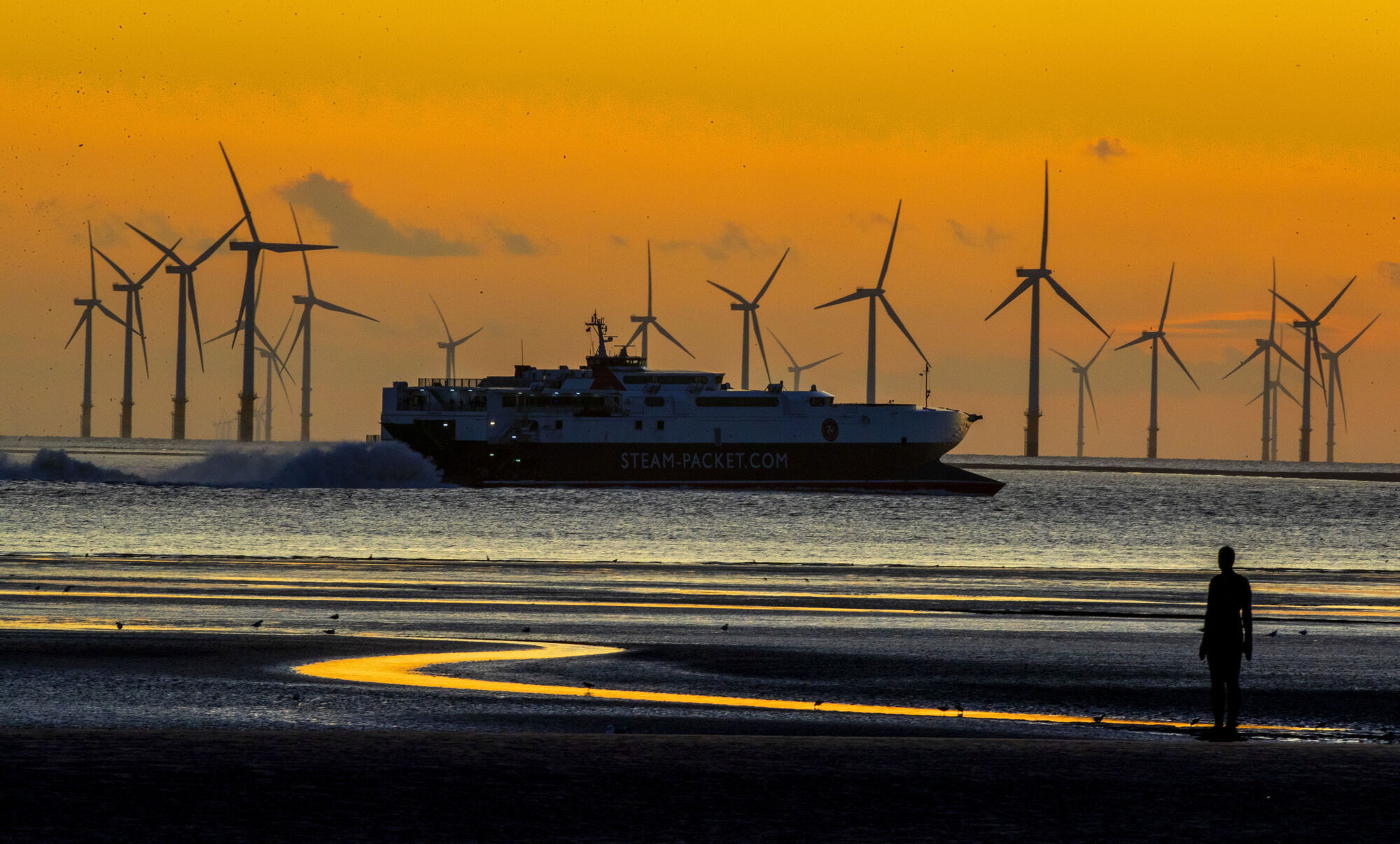
Climate impacts are not some far-off threat but Ireland is still 'missing in action' when it comes to adapting to the inevitable changes, one of the world's foremost climatologists has warned. Picture: Peter Byrne/PA Wire
Climate impacts are not some far-off threat but Ireland is still "missing in action" when it comes to adapting to the inevitable changes, one of the world's foremost climatologists has warned.
Professor Peter Thorne was speaking in the aftermath of the latest assessment from the Intergovernmental Panel on Climate Change (IPCC), which warned that up to 3.6bn people could be in the firing line as global warming gets worse.
The professor in physical geography (climate change) at Maynooth University, one of the lead author's on the IPCC's latest report, said we are already experiencing the impact of climate change today and we are already unable to cope here at home.
The IPCC report warned the planet now faces “unavoidable multiple climate hazards over the next two decades” because of human-induced climate change, exacerbating the already “dangerous and widespread disruption” to nature and billions of people.
Some of the changes are now irreversible, but there remains a sliver of a window to prevent more if action is taken urgently.
The first part of the IPCC's current assessment found that human-induced climate change means the planet is 1.1C warmer than 19th-century levels, contributing to more extreme weather such as hurricanes, heatwaves, flooding, and drought.
In relation to Ireland, Prof Thorne said: "The impacts of climate change will continue to get worse until global emissions of carbon dioxide and other greenhouse gases reach net zero.
"To be resilient, we need to pay far more attention to adaptation actions such as hard engineered sea defences, but there can also be nature-based solutions such as tree planting, peat bog restoration, and coastal habitat protection.
Nationally, the biggest immediate threats relate to rainfall and associated river flooding, as well as sea-level rise and coastal storm surges, according to Prof Thorne.
"In comparison to mitigation action, which is reducing greenhouse gas emissions, adaptation is missing in action in the national policy arena. Unless we properly plan adaptation actions and their verification of effectiveness, we will not be effective in reducing vulnerability for our citizens," he said.
According to the European Environment Agency, adaptation "can be understood as the process of adjusting to the current and future effects of climate change", while mitigation means "making the impacts of climate change less severe by preventing or reducing the emission of greenhouse gases into the atmosphere".
Prof Thorne said the IPCC's latest findings, which took in 34,000 scientific references and involved the 270 authors from 67 countries, was stark.
"The main message from the whole report is that the cumulative scientific evidence is unequivocal — climate change is a threat to human wellbeing and the health of the planet. Any further delay in concerted global action will miss a brief and rapidly closing window to secure a liveable future," he said.
CLIMATE & SUSTAINABILITY HUB
CONNECT WITH US TODAY



Be the first to know the latest news and updates