Self-harming troubled teen 'not high priority' for Camhs waiting list
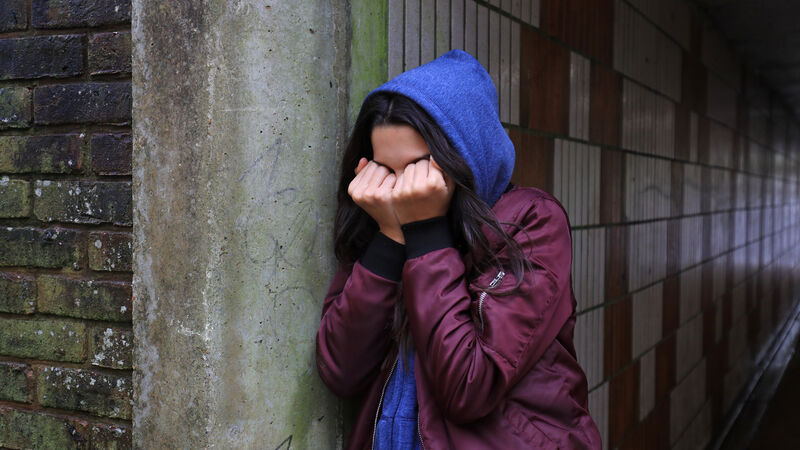
Mental health problems were a factor for many young people known to care services and despite undertakings that different agencies would work together, some were still "falling through the cracks". Picture: Gareth Fuller/PA
A deeply traumatised young girl who was self-harming but not considered a high priority by the Child and Adolescent Mental Health Services (Camhs) is just one example of children at risk of "slipping through the cracks".
In another instance, a teenager in a youth detention centre would effectively have been made homeless if released due to the lack of a suitable residential placement, the Child Care Law Reporting Project (CCLRP) found.
The cases are documented in the latest reports from the CCLRP, which highlights shortcomings in getting troubled children into Camhs and a growing shortage of special care places as major concerns.
The CCLRP, which reports on in-camera cases from around the country, said mental health problems were a factor for many young people known to care services and despite undertakings that different agencies would work together, some were still "falling through the cracks".
In one case, a judge directed Tusla to arrange for the immediate assessment of a child of secondary school age who had previously been referred by her GP to Camhs, but who had been deemed by them not to be of sufficiently high priority to be placed on their waiting list.
This was despite the girl self-harming, being depressed, and the fact she was "deeply affected by trauma in her earlier childhood as a result of domestic violence, neglect and abandonment, including having witnessed her mother threatening to jump into a river, giving rise to nightmares."
The judge expressed concern that she would “slip through the cracks” and the CEO of the Child Law Project, Dr Maria Corbett, used the same phrase about some of the cases.
"Despite acknowledgement of the need for interagency cooperation, cases involving child protection, mental health and disability continue to result in situations where children slip through the cracks," she said.
In another case, a teenager — now facing criminal charges for allegedly assaulting care staff and causing damage to a residential centre — would be effectively homeless if released from a youth detention centre due to the lack of a suitable residential placement.
The case notes on the boy also outlines how "since he had come into care over two years earlier, and despite directions from the judge and the efforts of the CFA, the Child and Adolescent Mental Health Services (CAMHS) had failed to complete an assessment of the child, hindering professionals from working with him, and the CFA had been unable to source a cognitive assessor or a tutor for the child."
The same case notes the court heard from a principal area manager who said there were currently 87 children waiting for a residential care placement and five children waiting for a secure care placement, telling the court "it was a crisis".
Six of the 30 cases involved children with severe mental health difficulties, including two young girls involuntarily detained due to self-harming behaviour and anorexia nervosa.
Another six cases involved unaccompanied minors. They included a teenage girl who left her country in Africa in 2018 to avoid being married to an old man who was a member of an Islamic militant group, but who then spent a year in captivity in another African country as she tried to reach Europe, only being released when her family provided money. She arrived in Ireland in 2020.
Another case involved a young person who reached Ireland after he arrived here in the back of a lorry from a European port.
Alarming levels of drug use among some young people and the lack of associated suitable step-down placements after they leave special care were also raised.
Special care orders are only made for three months, but can be renewed twice, and the child then leaves.
The sheer number of cases before the courts was also highlighted, with 739 matters originally listed for hearing within a 10-week period from last October to December.
Executive director of the Child Law Project, Dr Carol Coulter, said of the number of cases: "It adds further weight to the mounting evidence for the urgent establishment of a dedicated national Family Court.”
CONNECT WITH US TODAY



Be the first to know the latest news and updates