Initial lockdowns may have saved more than 800 lives due to cleaner air, experts say
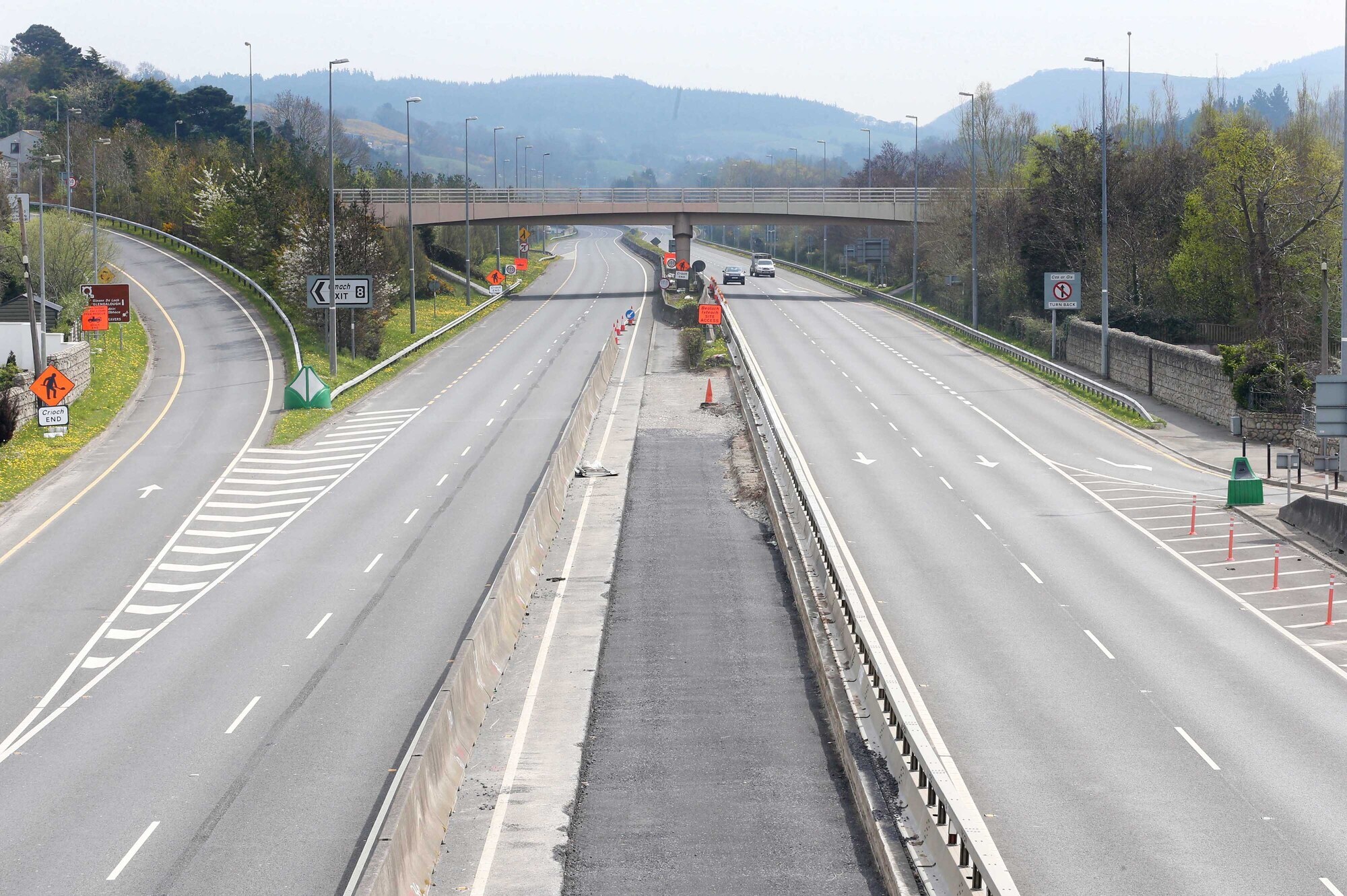
NOx is a highly-pollutant emission that is produced by cars, buses, trucks, and other vehicles, and is the main driver of health issues such as breathing problems, reduced lung function, eye irritation, and even tooth corrosion. File photo
The first widespread lockdowns across Europe may have saved more than 800 lives as pollutants from transport plummeted, paving the way for cleaner air, scientists estimate.
The problem of poor air quality in Ireland has been in the spotlight in recent weeks, with experts such as UCC's Professor John Sodeau calling for a ban on coal, peat, and wood burning for home heating.
Prof. Sodeau, one of Ireland's foremost experts on air quality, also said the banning of chimneys in new builds or blocking up existing chimneys on existing homes should not be seen as extreme.
The burning of fossil fuels gives rise to particulate matter, which escalate a range of diseases and conditions. Emissions from transport, especially the likes of NOx and NO2, also contribute to health conditions
Ireland was above World Health Organization air quality guidelines for particulate matter, sulphur dioxide, and ozone at 52 monitoring sites across the country last year, according to the most recent report from the EPA.
Poor air quality is estimated to cause 1,300 needlessly premature deaths in Ireland through the likes of respiratory problems, data show.
Now, a new study released by the EU's earth observation centre, the Copernicus Atmosphere Monitoring Service, found that more than 800 deaths across the continent were avoided due to improved air quality during lockdowns in the first phase of the Covid-19 pandemic.
Together with the London School of Hygiene and Tropical Medicine (LSHTM), the study found that the likes of school and workplace closures had the strongest effects on air pollution levels.
Restrictions around internal and international travel, however, showed much lower impact on local pollution levels, Copernicus and LSHTM researchers said.
The peer-reviewed study - which means the study was evaluated by other independent scientists in the field - examined the relationship between lockdowns and the decrease in pollutants such as NO2, ozone, and particulate matter across 47 major European cities from February to July 2020.
Paris, London, Barcelona, and Milan were among the top six cities with the highest number of avoided deaths, while Spanish, French and Italian cities had the largest decrease in NO2 of between 50% and 60%, the data show.
NO2 is a pollutant that causes inflammation of the airways in high doses which can cause irreversible damage to the respiratory system. It has exceeded the levels laid down by the EU in parts of Dublin, Environmental Protection Agency (EPA) data has shown previously.
NOx is a highly-pollutant emission that is produced by cars, buses, trucks, and other vehicles, and is the main driver of health issues such as breathing problems, reduced lung function, eye irritation, and even tooth corrosion.
Copernicus director Vincent-Henri Peuch said the results were "extremely significant".
"Beyond the analysis of the mortality during the first months of the pandemic, this study could help shape future policy as the public health benefits of reducing pollution in our cities, and the effectiveness of certain measures, are clear to see."
CLIMATE & SUSTAINABILITY HUB
CONNECT WITH US TODAY



Be the first to know the latest news and updates