'Striking' rise in pregnant women in ICU for Covid treatment
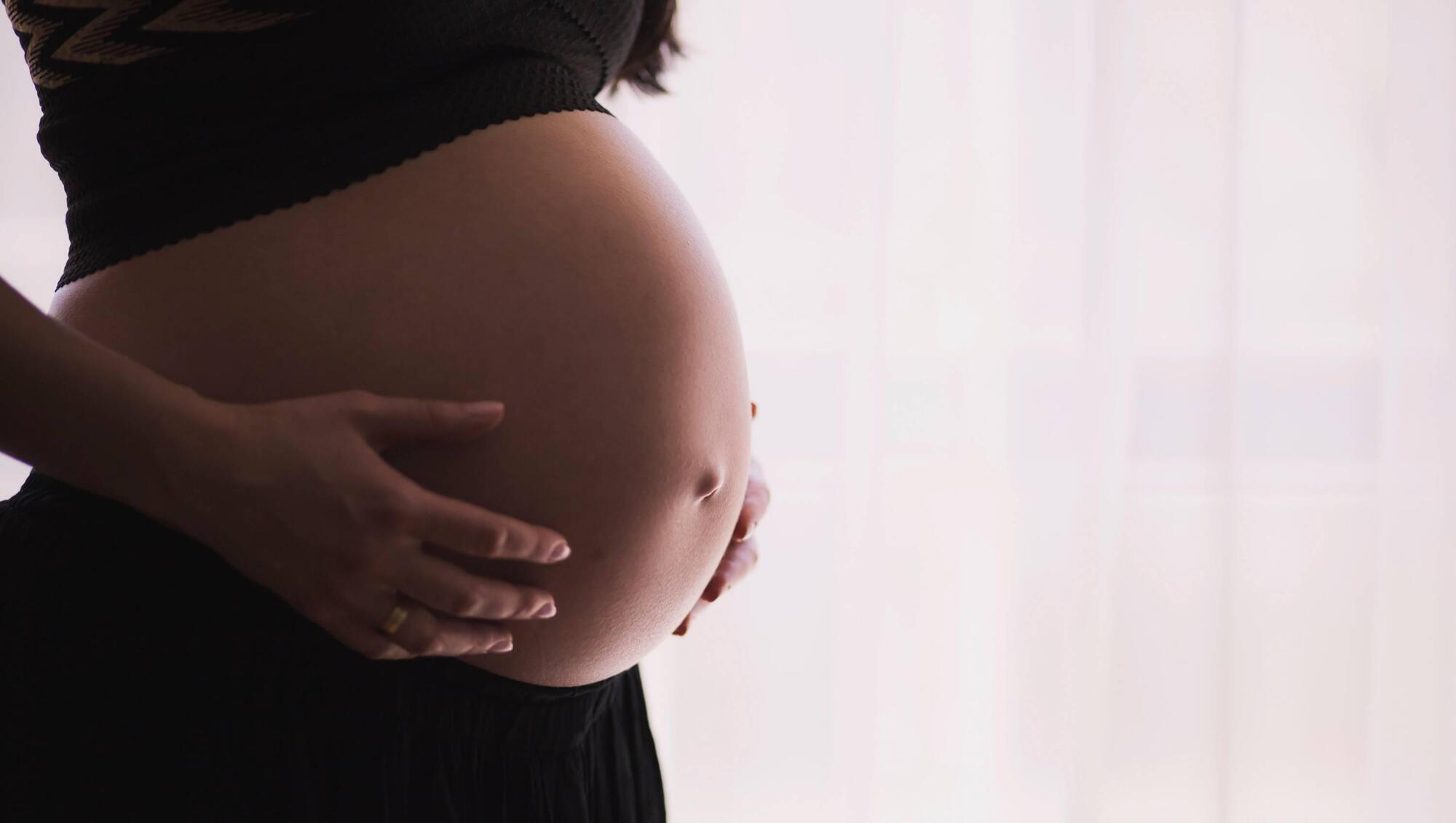
Dr Murphy added that women who have just given birth and require ICU for Covid treatment could be there for up to five weeks. File photo: Pexels
There have been 20 pregnant or postpartum women admitted to intensive care because of Covid-19 since the end of June, the chair of the Institute of Obstetricians and Gynaecologists has said.
Dr Cliona Murphy, an obstetrician at Dublin’s Coombe Hospital, said over the last two days alone three women were transferred from maternity hospitals to ICU in general hospitals which “has given us a bit of a shock”.
Dr Murphy described the figures as “quite striking”, adding that women who have just given birth and require ICU for Covid treatment could be there for up to five weeks.
“If somebody gets Covid and they are pregnant, they have a one in 20 risk of hospitalisation, and if they end up coming into hospital because of symptoms, they’ve a 10% risk of ICU admission - which is quite something - and up to a 43% risk of caesarean section and about a 20% risk of having a premature baby because of it,” she told RTÉ's Radio One.
“The odds are not in favour of somebody pregnant getting Covid.”
Declan Keane, a consultant obstetrician, also noticed an increase in the number of pregnant people being admitted to ICU.
“Sadly we have had to transfer two more pregnant mothers with Covid to a general hospital this weekend for ventilation and ICU care,” he said on Twitter.
“Both patients were unvaccinated. It doesn’t have to be this way - please get vaccinated.”
Sadly we have had to transfer 2 more pregnant mothers with Covid to a general hospital this weekend for ventilation and ICU care. Both patients were unvaccinated. It doesn’t have to be this way - please get vaccinated
— Declan Keane (@bergerie0709) October 24, 2021
There were a further 1,845 new confirmed cases of Covid-19 on Monday, the Department of Health said. As of 8am yesterday, there were 497 Covid patients in hospital, of whom 99 were in ICU.
Meanwhile, Damien McCallion, the HSE’s lead for the national vaccination programme, said the number of people registering for the vaccine in recent days has increased. The HSE will now launch a campaign to encourage the uptake in particular groups, he added.
On the vaccination of pregnant women, Mr McCallion said the HSE is encouraging people to go to reliable sources and to talk to a healthcare professional if they have concerns about the vaccine.
“If you’re vulnerable, pregnant, perhaps – those are the sort of groups that we know have had high prevalence in ICU and in hospital - then please go and talk to your GP or to your consultant in relation to the benefits of the vaccine for you and the risks around it,” he said.
On calls for vaccines to be available at antenatal appointments, Mr McCallion said they have been working with the hospitals to try and make a certain amount of vaccine available in most of the major hospitals, including maternity services.
“That programme has started and is available now in some hospitals and will be available in others,” he said.
Research carried out by polling company Ipsos MRBI for the Irish Pharmaceutical Healthcare Association found that vaccine hesitancy among young people is almost double that of the general population.
Some 9% of 18 to 34-year-olds said they will refuse a Covid-19 vaccine, compared to the 5% of total people who reported being against the jab.

CONNECT WITH US TODAY



Be the first to know the latest news and updates