Covid-19: Return to office a 'little less likely'

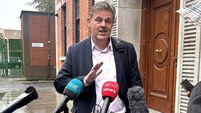
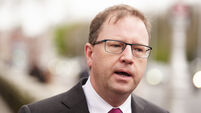
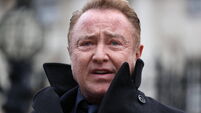
Finance Minister Paschal Donohoe has warned the wide-scale return of workers to the office is now "a little less likely".
With 50 new patients being admitted to hospital every day with Covid-19, the lifting of many restrictions may not go ahead next week.
A return to the workplace, the reopening of nightclubs, easing in numbers attending events, a relaxation of social distancing and the requirement to wear masks outdoors and in private settings, which were all forecast for next week, all look in doubt given the setback in the fight against the pandemic.
Finance Minister Paschal Donohoe has also warned the wide-scale return of workers to the office is now "a little less likely".
Both Taoiseach Micheál Martin and Higher Education Minister Simon Harris have given strong indications that even if restrictions are lifted, vaccination certificates will remain beyond the October 22 deadline.
"Not everybody is adhering to the certs and we need to implement it across the entire sectors," Mr Martin said.
"Some evidence is coming back that not all establishments are doing that. That would help if they did implement it. That's something we need to re-double down on. I spoke to the CMO [chief medical officer] and we will discuss over the next number of days before making a decision."
Mr Harris said there had to be more "nuanced" thought on the issue.
"On October 22, vaccine certs were due to be no longer to be required. Perhaps if they were to stay a little longer, that might provide a help."
He said Cabinet has a "big call" to make next week, but the country has to move away from "binary choices" around Covid restrictions.
"I think there are three genuine options to consider and scrutinise.
" They are, proceed, pause, or proceed while retaining some safeguards... Is there a way of proceeding with more of the reopening while perhaps retaining vaccine certs a bit longer, or perhaps retaining face masks in scenarios where they may not have been envisaged a few weeks ago."
Mr Harris said he wants advice from the National Immunisation Advisory Committee (NIAC) on expanding the Covid vaccine booster programme. He said that Israel has found success with a wider programme that encapsulates larger sections of the population.
More than 40,000 booster jabs have been administered so far in Ireland, focusing on people living in long-term residential care facilities aged over 65 and people in the general population over the age of 80.
A decision on giving booster jabs to wider sections of society has not yet been made.
Deputy Chief Medical Officer Dr Ronan Glynn said there had been a "deteriorating disease trajectory nationally".
Dr Glynn said 50 people were being admitted to hospital every day, up from 35 a day at the end of September. There are also five new ICU admissions every day.
Last night, a further 1,627 cases of the virus were confirmed. There were 415 Covid-19 patients in hospital, 70 of them in ICU.
The Government will evaluate the advice from public health officials next week to decide if the plan will proceed. However, it has warned that ensuring schools remain open will be the top priority in any decision made.
Mr Donohoe said: "What really matters to me at the moment is that the progress that we have made in our current level of opening, we don't have to reverse that."
Sinn Féin leader Mary Lou McDonald said there was an appetite among the public to return to everyday life.
"I'm very mindful of all the sectors who have waited and waited and have been closed for the better part of two years," she said. "All of us know things have to go back to normal, life has to resume and of course the public health advice has to be heeded."
Meanwhile, a professor at the Economic and Research Institute has said health messaging will have to “ram home” that the non-vaccinated are more likely to end up in intensive care and to underline the importance of mask-wearing and social distancing given the worrying spike in Covid cases.
The ESRI's Peter Lunn said people were understandably worried by the spike in Covid cases but didn’t perceive that measures including wearing a mask and social distancing were effective in controlling the pandemic.
“The public do not think it lowers the risk,” he said. “There is a tiredness from hearing repeated messages. We now have an uptick in cases. The more we can explain to people why that is happening and what they can do to bring it back down again the better,” he told the .
“Getting the message in a new context is probably going to be more important than repeating old public health messages that people feel they have heard many times before,” Professor Lunn added.


CONNECT WITH US TODAY



Be the first to know the latest news and updates