Heart patients waiting over a year for vital services

Echocardiogram waiting times are now exceeding 12 months and angiograms can take over a year to access, the Oireachtas Health Commitee heard.
Health services are “crumbling” under the pressures of heart disease, with waiting lists of over a year for some vital services, the Oireachtas Health Committee heard on Wednesday.
Committee members heard Covid-19 and the HSE cyber hack has the potential to worsen the situation, with Irish Heart Foundation (IHF) chief executive Tim Collins warning these challenges are landing on top of "significant historical service deficits”.
Patients with chronic heart disease were among the cohorts worst affected by Covid-19. They comprised 44% of Covid-deaths and 49% of related ICU admissions in Ireland, the committee heard.
The impact is hard to estimate due to a lack of patient registries, but Mr Collins said even before the pandemic, cardiologists reported outpatient waiting times of 14 months.
"Cardiologists also report that their patients are generally sicker due to cancelled clinics and reduced GP access”, he said.
Cardiac rehabilitation centres which had waiting lists of 2,818 patients before the pandemic were shuttered, with 69% closed for 12 weeks and the longest for 35 weeks.
Mr Collins said: “The previous national cardiovascular strategy expired two years ago. Not only hasn’t it been replaced, it was never even evaluated.”
Sinn Féin spokesman on health David Cullinane described this as “extraordinary” and “an outrage”.
Mr Cullinane said people in Waterford and the south-east still do not have 24/7 access to some cardiac services and said: “It is important that all areas have access to critical cardiac care.”
Croí chief executive Neil Johnson told the committee: “We urgently need a radical cardiovascular disease health strategy which will be responsive to the huge burden.”
People Before Profit TD Gino Kenny raised concerns about links between advertising for junk food and heart health, particularly for children.
Responding to him, Kathryn Walsh, policy manager with IHF, said: “In terms of junk food marketing for children, we need a ban. We need statutory regulation of that, voluntary codes do not work.”
She said online junk food marketing to teenagers is also now a concern.
Social Democrat co-leader Róisín Shortall said the changes both organisations are calling for are “the very essence of Sláintecare”.
Mr Collins told her boosting supports for GPs to tackle chronic disease is “a good start”, and the improved focus on prevention needs to continue.
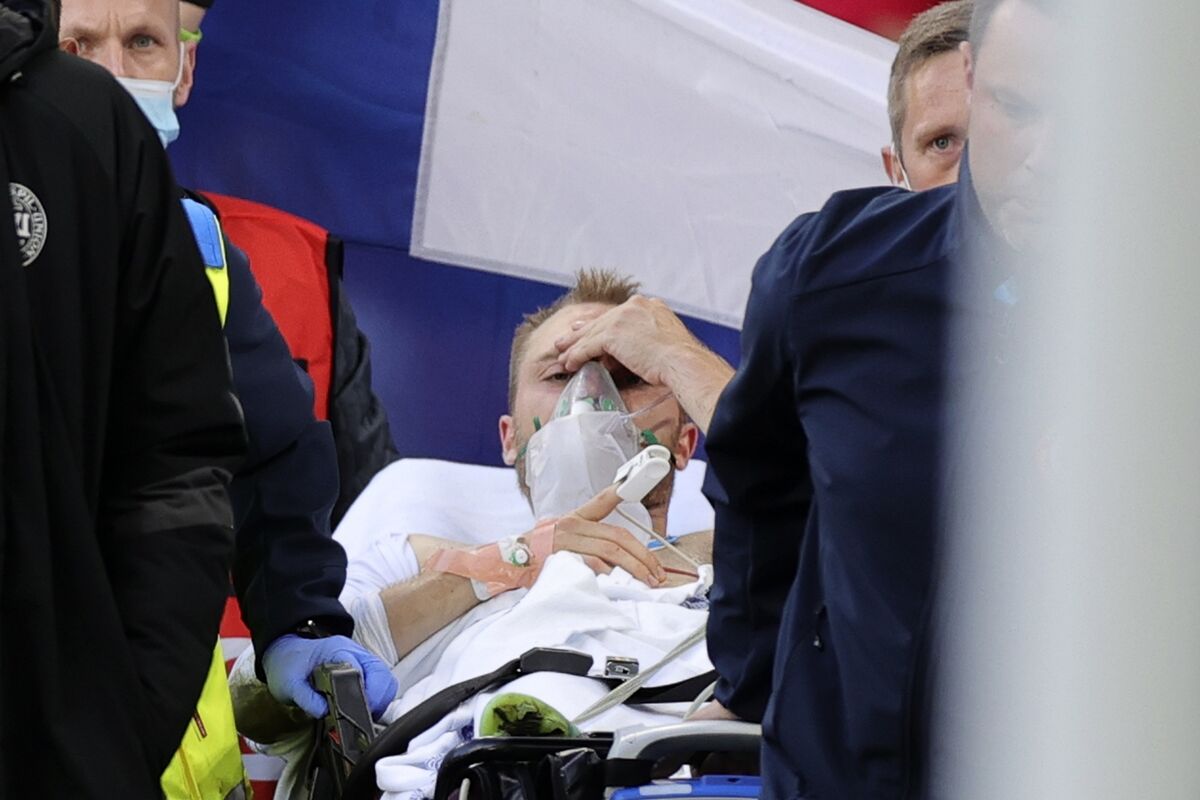
A number of TDs raised the shocking collapse of Danish footballer Christian Eriksen at the weekend. The 29-year-old received CPR on the pitch and medical staff used a defibrillator to save his life.
There are about 1,800 defibrillators in Ireland, mostly maintained by Community First Responder groups, but attendees heard calls for a registry so that National Ambulance Service staff can find them too.
Mr Collins, however, told Fianna Fáil TD Cathal Crowe that while young fit people do develop heart issues, it is more useful for public health programmes to focus on more affected groups.
And Mr Johnson called for better access to defibrillators training, including mandatory CPR classes for secondary schools.
He said: “We also need national policies and guidelines for sports and community organisations with regard to first responder training, defibrillator access and equipment maintenance.”

CONNECT WITH US TODAY



Be the first to know the latest news and updates