Chief Superintendent denies telling gardaí they could be downgraded from suspects to witnesses, court hears
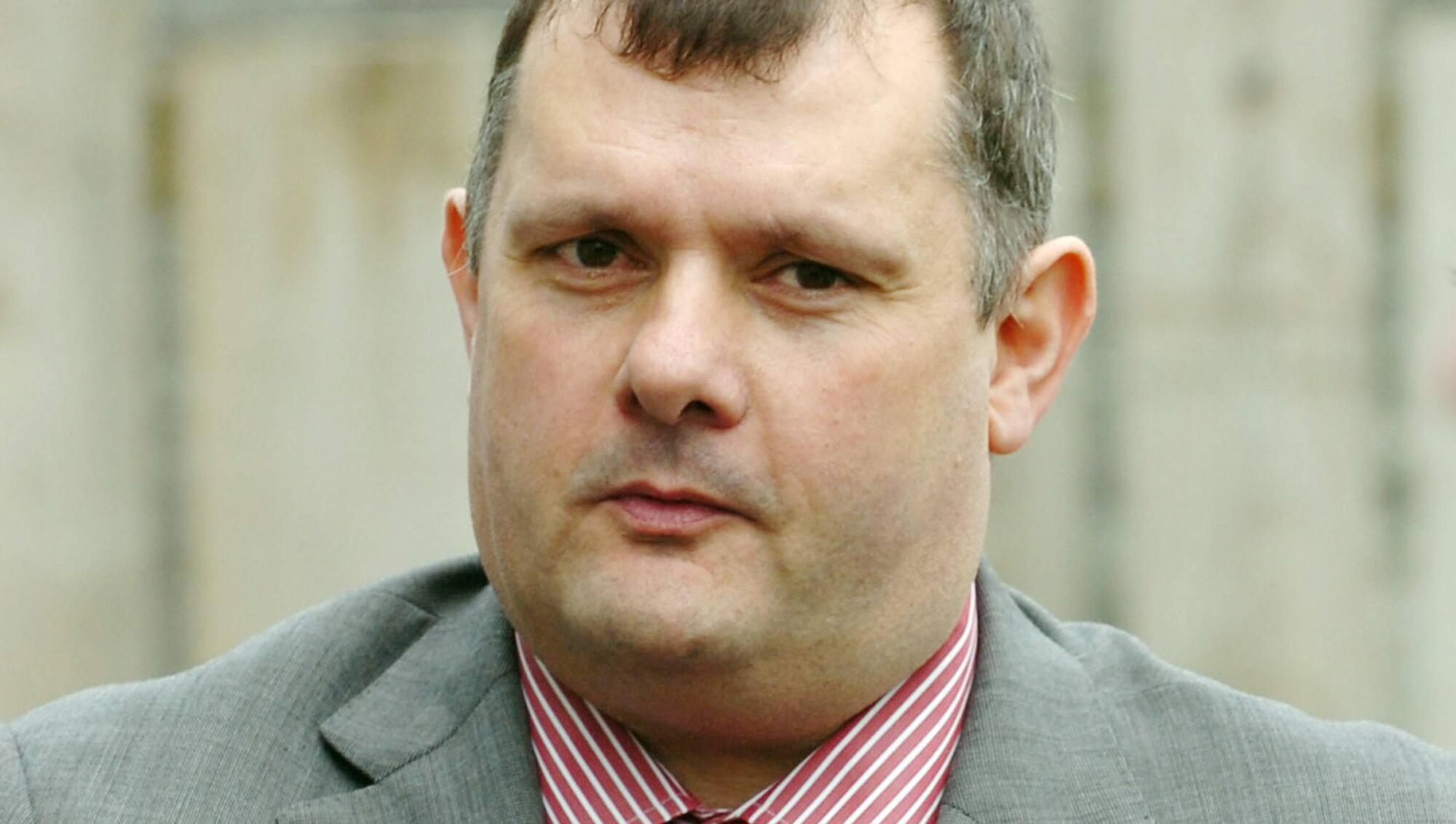
The State’s case is that, while a serving superintendent, Eamon O’Neill allegedly received requests from civilians and other gardaí about the summons matters, which he passed on to some of his co-accused, who in turn communicated with each other and with other gardaí in attempts to have the cases struck out or not pursued. Picture: Liam Burke/Press 22
A chief superintendent denied telling two gardaí suspected of alleged unlawful squaring of road traffic summonses that they could be downgraded to witnesses rather than suspects, depending on what they told the investigation.
Chief Supt Michael McNulty, Dublin Metropolitan Region, agreed under oath that offering “inducements” to potential suspects in any type of criminal investigation would be improper, and in his opinion, “unacceptable”.
Suspects are suspected of committing a criminal offence, Mr McNulty agreed, and witnesses would not have to worry about being considered suspects.
Mr McNulty was giving evidence in the sixth week of the trial of retired superintendent Eamon O’Neill and four serving gardaí, Sergeant Anne Marie Hassett, Sergeant Michelle Leahy, Garda Tom McGlinchey and Garda Colm Geary.
The five accused deny a total of 39 counts of engaging in conduct tending or intended to pervert the course of justice, while allegedly communicating among themselves and others in relation to requests to square away fixed charge penalty notices or summonses.
Mr McNulty, at the time a detective inspector, said he was appointed to lead the probe by Det Chief Supt Walter O’Sullivan, at the time head of the Garda National Bureau of Criminal Investigation (GNBCI).
The court heard Mr McNulty made a list of suspects and witnesses, including Garda Niall Deegan and Garda Alan Griffin, both Limerick Garda Division, who were included on the list of suspects.
The court heard Mr McNulty directed the investigation team to seek warrants for the two garda’s mobile phones, and that the two officers be interviewed under voluntary caution.
Mr McNulty denied suggestions by Felix McEnroy, senior counsel for Eamon O’Neill, that he told the two gardaí that whatever they were potentially going to say in an interview, under caution, could “change” or “move” them from being suspects to witnesses. The two gardaí would give evidence of this, Mr McEnroy said.
Mr McEnroy said Garda Griffin would also tell the court that Mr McNulty told him that he was “only interested” in Supt O’Neill and that he would “not be looking at anyone else”.
Gardas Deegan and Griffin are not defendants in the case, and made the allegations in statements provided to the prosecution and defence in the trial, excerpts of which were put to Mr McNulty in front of the jury.
Mr McNulty refuted these allegations. He told the court Mr Griffin was “mistaken” and he agreed with Mr McEnroy that Mr Deegan was “lying”.
The matter of “garda discretion”, when gardaí legitimately use their own decision-making when dealing with the public, has been a central talking point in the trial.
Mr McNulty said discretion was part and parcel of policing, and he could see it being applied, for example, in the case of a motorist being given a warning rather than a ticket if they were detected driving a little above the speed limit. However, he argued it would be “inappropriate” to use ones discretion in respect of a “family member, friend, or associate”.
The State’s case is that, while a serving superintendent, Eamon O’Neill allegedly received requests from civilians and other gardaí about the summons matters, which he passed on to some of his co-accused, who in turn communicated with each other and with other gardaí in attempts to have the cases struck out or not pursued.
The prosecution, led by Carl Hanahoe and Jane Horgan Jones, instructed by the State solicitor’s office, has alleged that what all the offences have in common is the alleged interference or involvement of Supt O’Neill and that, in the vast majority of the cases, Supt O’Neill had a personal connection with the motorists.
The trial continues Thursday.

CONNECT WITH US TODAY



Be the first to know the latest news and updates