ieExplains: What's in the Government's action plan on childcare and what will it do for parents?
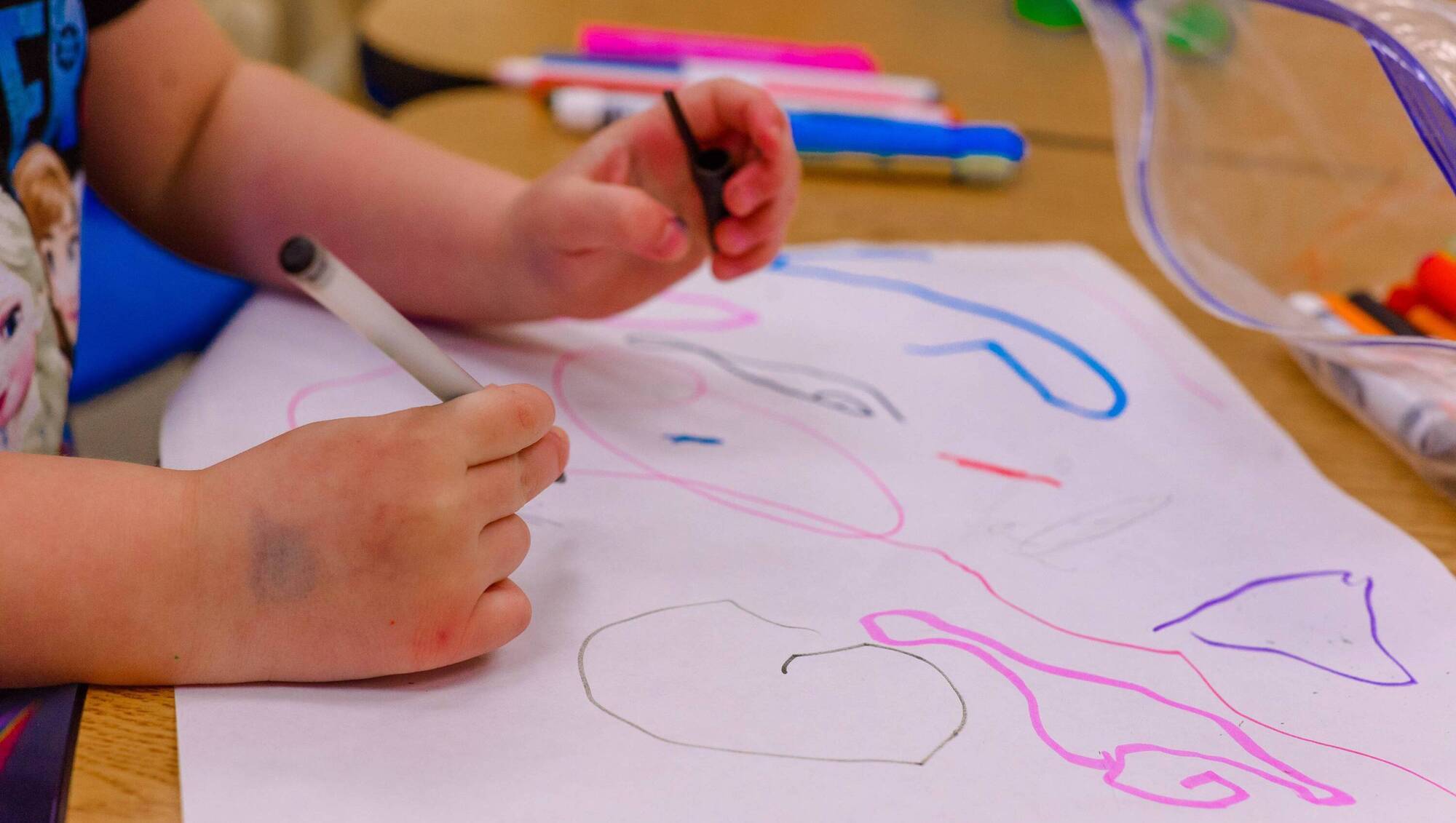
The issue of childcare became a main focus of the general election last year.
The Government has on Wednesday published its action plan on childcare, after an election pledge to do so in the first 100 days of its lifetime.
The plan comes after the issue of childcare became a main focus of the general election last year, but what does the action plan say and what will it do?
To start, the plan is actually two action plans from children's minister Norma Foley. One, commits to actions in 2026 to make services more affordable, accessible and to improve quality.
The second, will "streamline administration and regulation, helping providers, educators, practitioners and parents navigate the system more easily".
This underlines just how much work needs to be done in the sector.
After years of attempts to increase subsidies to parents and improve pay and conditions for staff, there remains huge structural issues with early years education that has led to a lack of spaces in parts of the country and huge fees for those who do get their children a place.
In the first plan, the Government commits to reducing the highest fees charged to parents across the country, by lowering the maximum fees that creches and facilities in the Core Funding Partner Services model can charge from September of next year.
These new fee levels will be announced in 2026 when full financial returns from providers have been analysed.
The plan also commits to lowering the income thresholds for the National Childcare Scheme, to ensure more parents are offered assistance with the costs.
The lower income threshold will be increased from €26,000 to €34,000, and the upper income threshold will be increased from €60,000 to €68,000.
The multiple child discount reduces parents’ reckonable income for the income assessed subsidy.
In a statement, the Government gives an example, which says the parents of three children, with income of €78,000, would have the multiple child discount of €11,000 applied, thereby bringing their reckonable income down to €67,000, which is within the new thresholds.
The changes will benefit almost 47,000 families by ensuring families with incomes below the relative income poverty line receive the maximum subsidies from September 2026.
The plan's section on supply says the Government will increase supply "through investment in State-led provision, as well as co-funding the expansion of existing providers" and introduce a "regulatory requirement for services to publish their admissions policies".
The Government will provide ring-fenced funding of up to €15m from September, or €45m over a year to help providers improve staff wages, supporting staff recruitment, and retention.
There are also a number of regulatory reforms including a review of childminding regulations, the introduction of school-age childcare regulations, and simplification of regulatory requirements.
The short answer is yes, but only in certain circumstances.
If you are paying the top rate of fees or if you had previously been just outside the thresholds for the National Childcare Scheme, you could see reductions next September.
The longer answer is the Government hopes its plans begin to bring fees down towards the €200 per month figure by the end of this Government's lifetime in 2029.
The plan makes multiple mentions of the figure, but beyond increasing supply, does not outline how this will be achieved.
The National Women's Council welcomed the publication of the plans, but warned "real structural reform will be needed in the more substantial second phase due next year".
Labour’s children spokesperson Mark Wall said the announcement "confirms that Fianna Fáil and Fine Gael still have no credible plan to fix a childcare system that is failing families, workers and providers".
Social Democrats spokesperson Aidan Farrelly was deeply critical of the lack of moves towards a public model for the sector.
“There are no details of State-led childcare services in the minister’s announcement, which is in stark contrast with the commitments and promises from Government representatives during the 2024 general election campaign."

CONNECT WITH US TODAY



Be the first to know the latest news and updates