Cost of direct provision rose to €183m last year
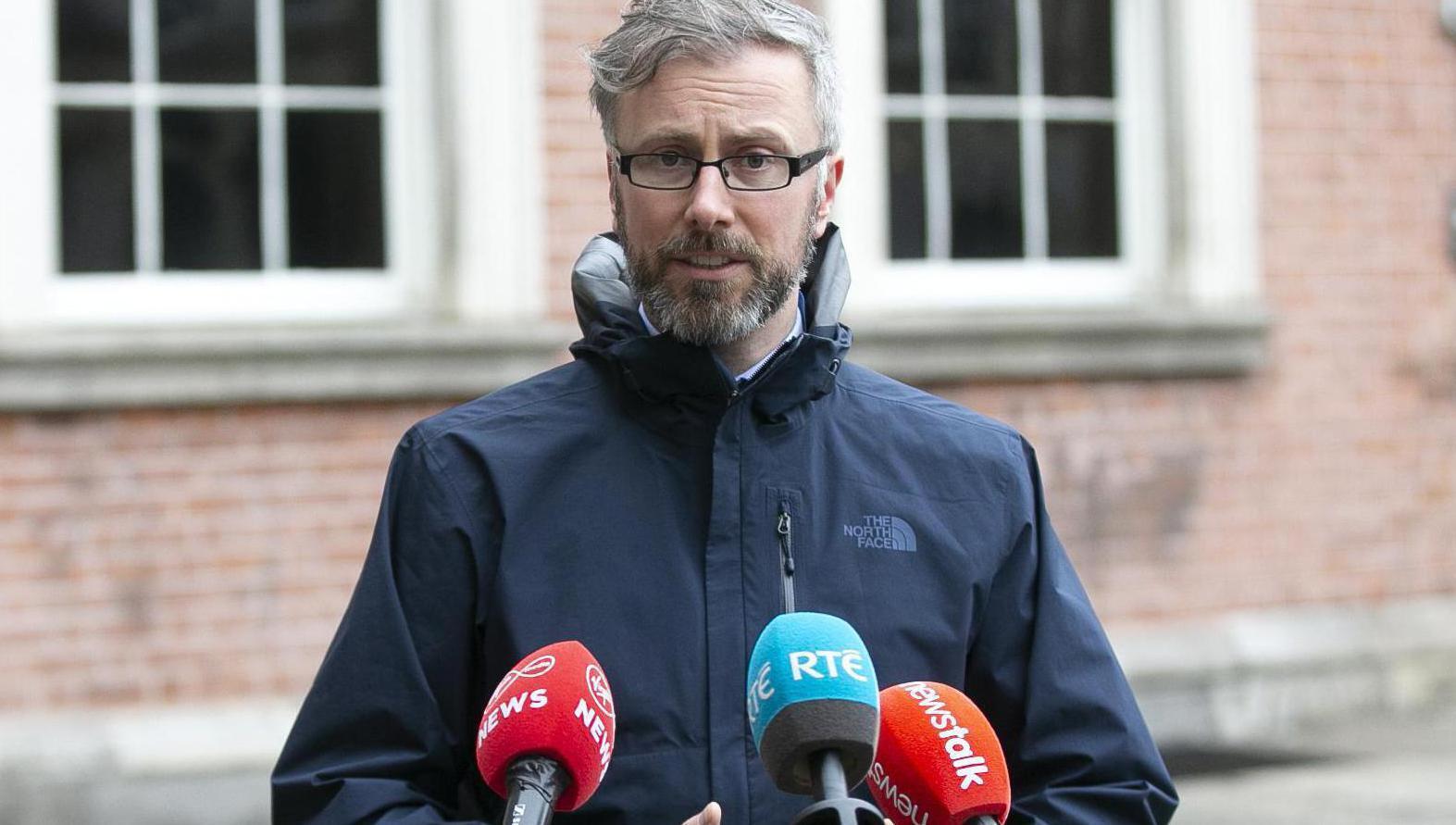
Figures furnished by Roderic O’Gorman in the Dáil show that several hotels received more than €1m over the past year to meet additional accommodation needs as a result of Covid-19. Picture: Sam Boal/Rollingnews.ie
The cost of the direct provision system increased to €183m last year, partly due to capacity issues and partly due to the Covid-19 pandemic and the need for additional accommodation and quarantine facilities.
The increased spend represents a more than a doubling of costs since 2018, when the bill for the network of accommodation centres for asylum seekers reached €78m, the highest spend since 2010.
Costs increased further to around €120m in 2019, when capacity issues emerged requiring the use of hotels at around €100 per night.
These capacity issues were further compounded in 2020 when the arrival of Covid-19 posed greater risks of infection in crowded settings, such as direct provision centres.
This led to the Department of Children, Equality, Disability, Integration and Youth sourcing alternative accommodation, mainly hotels, to reduce the number of people sharing rooms and to facilitate residents who needed to isolate because of Covid-19.
In response to the public health crisis, the department moved to reduce occupancy levels to ensure that no more than three asylum seekers, who were unrelated, would share a room.
This week, the department confirmed that €17.79m was spent on this additional accommodation capacity last year.
Further figures recently furnished in the Dáil by the minister, Roderic O’Gorman, show that several hotels received more than €1m each over the past year to meet these additional accommodation needs as a result of Covid-19.
Direct provision residents showing Covid-19 symptoms or testing positive for the virus and new asylum applicants were accommodated in isolation facilities, such as the Travelodge Hotel in the Phoenix Park, which received close to €1m over the past year.
Other Travelodge hotels in Cork and Galway provided accommodation to reduce occupancy levels at direct provision centres — Travelodge Galway received almost €1.2m and Travelodge Cork received over €800,000 since the pandemic took hold.
Other hotels used to meet this additional accommodation need included the Holiday Inn Express (€1.6m), Crowne Plaza (€628,488), Carnbeg (€831,600), and the Central Inn (€1.3m).
Of the record spending in 2020, the Department confirmed that €104.9m went to 38 commercially-operated direct provision centres, while €14m was spent on managing seven state-owned accommodation centres and their associated utility and maintenance costs.
A further €45m was spent on emergency accommodation for those who could not be accommodated in existing centres.
The figures come in the wake of a Government commitment to abolish the direct provision system by December 2024.
The system, which has been operating for more than 20 years, will be replaced with a State-run not-for-profit system of newly-built own-door accommodation centres.
Four new Covid-19 outbreaks were confirmed in direct provision centres in the last week of February.