Health service Winter Plan will be 'the most comprehensive' Ireland has ever seen
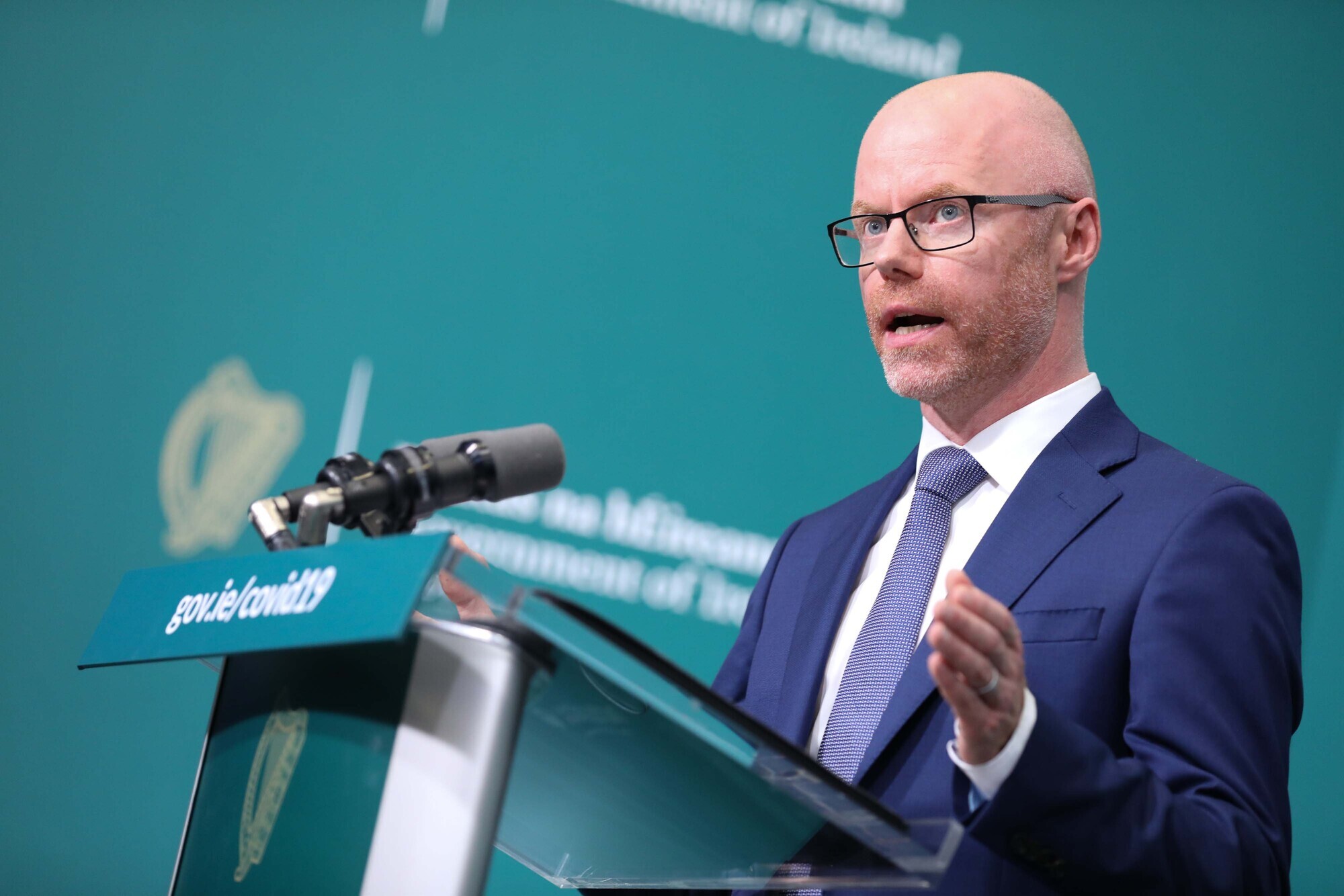
The coming Winter Plan aimed at preserving the health service from Covid-19 and freeing up capacity to deal with waiting list backlogs will be “the most comprehensive” that Ireland has ever seen but will “not be cheap”.
Those were the words of Minister for Health Stephen Donnelly this afternoon as he faced the Oireachtas special committee on the response to Covid-19, with Mr Donnelly revealing that randomised testing at airports will also shortly be introduced.
The Minister defended a perceived lack of detail regarding the Government’s strategy for dealing with the coronavirus through the coming winter and beyond, saying that the plan when published will have arrived several months early, and that it would be inappropriate to publish it before it is finalised.
Labour TD Duncan Smith took issue with the brevity and lack of detail in the Minister’s opening statement, which was only delivered to the committee 30 minutes before his session began.
“There is not one mention of with regard to how the private hospitals will be incorporated into the coming winter strategy, the Minister said that a €25 million “bridging fund” has been put in place, with tenders having issued to the private institutions to allow for any surge in the virus.
He admitted that the initial deal to take over the private hospitals hadn’t worked “in terms of support”, but had succeeded in terms of creating capacity.
“The challenge we are facing cannot be underestimated,” Mr Donnelly said.
The Minister said he had “taken exception” to the GAA’s calling out of acting chief medical officer Ronan Glynn after the introduction of heightened restrictions on August 18.
“The easiest thing in the world would have been NPHET just shutting down all sports,” he said adding that the public health team “recognise the incredibly important role sport plays in our society”.
“All they asked was that for three weeks people didn’t spectate.” Mr Donnelly defended the imposition of random airport testing as a measure that has already been introduced elsewhere and basically constitutes “an extra security measure” taken to “discourage non-essential foreign travel”.
He would not commit to a full public inquiry into the deaths seen in nursing homes earlier in the pandemic saying that we “may well end up with” such an investigation, but that consideration needs to be given to what the best approach is.
He said that the vast majority of inspections of meat plants in August, 22 out of 23, have been unannounced, which is his preference.
Regarding testing, asked why the capacity for 100,000 tests per week isn’t being used ,the minister said that “the system is doing exactly what it was designed to do”.
At the time of the initial surge in the midlands counties just 30 people were employed on contact tracing, he said. That figure will be 150 by the end of this week.
“If we have to deal with a second surge in this country then the health care services will be severely curtailed,” Mr Donnelly said.
In terms of the pubs still being closed, Mr Donnelly said he “shares” the public’s frustration. “It’s not fair. The reality is we are dealing with a virus that wants us to lock down the country again. The evidence is that we are at a tipping point," he said adding that when other countries reopened pubs outbreaks followed in short order.
He denied that the fact that nearly 600,000 people have deleted the Covid Tracker app from their phones indicates a “loss of confidence” in the app.
“We were supposed to get to 25% penetration, and we’re at 35%,” he said. “The app is providing valuable information and it’s saving lives.”