Protest bids to highlight A&E overcrowding
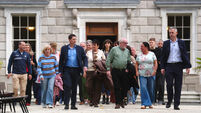
Up to 100 people attended a rally outside the Dáil in protest at overcrowded conditions in the country’s Accident and Emergency units.
Demo organisers, Patients Together, aimed to stage a 'Lie Down And Be Counted' stunt to represent the highest number of patients lying on trolleys on a single day this year.
However, only 100 people took part in the rally outside Leinster House to represent the 495 people which were recorded as waiting on hospital trolleys on March 8th.
Health minister Mary Harney said today that she recognised that it was unacceptable for patients, particularly the elderly, to have to wait for treatment on trolleys in Accident and Emergency units.
A spokesperson added: “The Government and the Health Service Executive are applying all resources possible to improve conditions in A&E facilities.
“A hospital by hospital analysis of A&E units is continuing across the country to identify specific problems leading to waiting times.”
Miss Harney said the overcrowding issue remained a priority for her department and the HSE.
Today’s protest was organised with the support of the Irish Nurses Organisation which carries out a daily ’Trolley Watch’ record of patients waiting in hospital corridors.
The protest was also backed by independent TDs and the MRSA and Families support group.
Patients Together, which was established in October 2004, said it was disappointed with today’s turnout but stressed that patients needed a strong voice to lobby for their rights and entitlements.
The spokesperson, Janette Byrne said: “Patients need to be listened to by those in authority. Everybody knows somebody who has suffered while waiting for treatment in our accident and emergency units and it is not a pleasant experience.”
The HSE blamed A&E overcrowding in recent months on the winter vomiting bug and an unseasonal cold snap. There were 260 people waiting on hospital trolleys yesterday.
Patients Together, which has organised candlelit vigils and signed petitions in the past, said it will continue to highlight inadequacies in the health services.