Following Brexit a hard border would put officers in the ‘firing line’

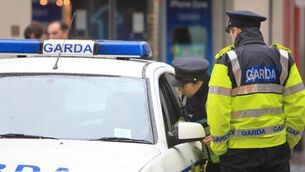
Head of the Northern Ireland Police Federation Mark Lindsay said physical border posts would make officers easy targets for terrorists and harm police/community relations.
“By definition, hard Brexit is physical barriers or boundaries,” said Mr Lindsay. :No matter who is resourcing them, whether Customs and Excise, the Border Agency, there’s always going to be some element of security threat around it given the nature of the areas that we will see those put up in.
“That will then become incumbent on the police to provide that protection for those agencies.
“That puts our officers into the firing line. Their patterns become very predictable. It makes them a very predictable target for anybody who wants to attack them from a terrorist point of view. That is our main concern.”
During the Troubles, there were military checkpoints on main border crossings and security forces made the remaining crossings impassable.
By 2005, with phased implementation of the 1998 Good Friday Agreement, these controls were removed.
Sinn Féin leader Gerry Adams has claimed Britain leaving the EU will destroy the Good Friday Agreement.
However, the British government has insisted there will be “no return to the border’s of the past” and that no elements of Brexit will undermine the terms of the Good Friday Agreement .
Mr Lindsay said it would be difficult to go back to the hard border of the Troubles in a peaceful society.
“I can’t see it happening again. It would be very difficult to pull that back in a peaceful society,” he said. “A lot of communities straddle the border and to start blocking their roads again would come up against real problems.
“That would create problems for the statutory agencies in trying to police that, whether customs, border agencies or the police. There would certainly be opposition from some of those border communities to having their communities divided like that.
“It would be a step backwards from a policing point of view.”

CONNECT WITH US TODAY



Be the first to know the latest news and updates