One fruit juice can exceed child’s daily sugar intake
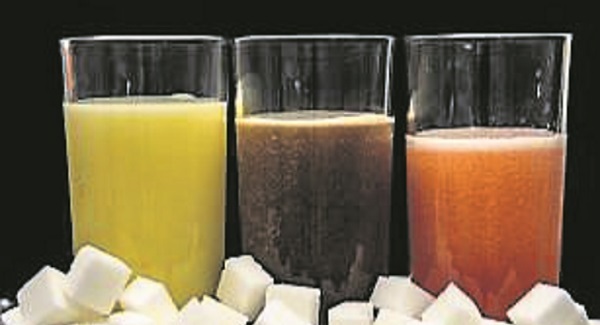
Research published in the journal BMJ Open found more than 40% of the fruit juices, smoothies and fruit drinks assessed contained the entire daily maximum sugar intake — 19g or almost five teaspoons.
The study described the sugar content of the drinks as “unacceptably high” and said manufacturers must stop adding unnecessary sugars and calories to the products.
Increasing public awareness of the detrimental effect sugar-sweetened drinks have on children’s teeth and waistlines has prompted many parents to opt for seemingly healthier fruit juice and smoothie alternatives.
Among the 158 fruit juice drinks analysed, the average sugar content was 5.6g/100ml but rose to 10.7g/ 100ml among the 21 pure fruit juices tested and to 13g/100ml among the 24 smoothies assessed.
Some 78 products contained non-caloric sweeteners, such as aspartame. While safe, health experts believe the overall sweetness of products should be reduced so children get used to having less sugar in their diets.
Dietary guidelines recommend a serving of fruit juice, fruit drink or smoothie should be no more than 150ml, but only six of the products assessed matched this portion size. The labels on all of the products contained a reference intake that was in line with European law but applied to an average-sized adult woman.
This was wholly inappropriate for children, said the researchers. Experts from the University of Liverpool and Queen Mary University of London examined the sugar content of fruit juices, juice drinks and smoothies sold by seven major supermarkets in Britain, including Tesco and Marks & Spencer. Only products specifically marketed towards children were included. Cordials were excluded even though they are marketed towards children because they do not come in single-serve portions, the focus of the survey.
The researchers said that drinks with a high sugar content should not count as one of five portions of fruit and vegetables a day and fruit should be consumed in its whole form, not as a juice.
“Parents should dilute fruit juice with water, opt for unsweetened juices and only give them during meals. Portions should be limited to 150ml a day,” said the researchers.
The researchers said manufacturers needed to stop adding unnecessary sugars and calories to the products now; otherwise, the sugar content would have to be regulated. A food scientist at the Gunter Kuhnle, said the drinks – fruit juices, fruit drinks and smoothies, were often seen as a healthy alternative and their sugar content was ignored.
A recent report by health watchdog, Safefood, found some brands of energy drinks contained more than 16 teaspoons of sugar.


CONNECT WITH US TODAY



Be the first to know the latest news and updates