Brexit: Battle lines drawn for keeping Britain within EU
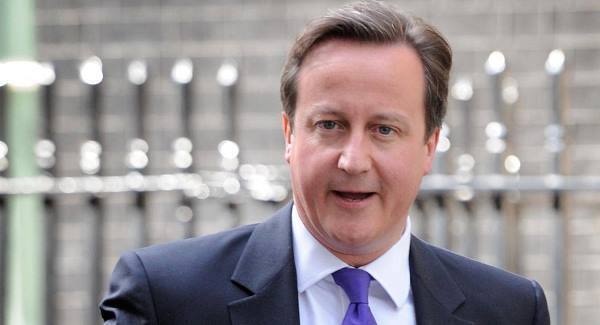
But the hunt was on for a compromise that Prime Minister David Cameron could sell to his electorate as a win against the UK’s migrant workforce — almost half of which come from other EU countries. Arriving for a meeting that promised to be long and frank, Mr Cameron told journalists: “I will be battling for Britain right through the night, and I think we will be getting a good deal”.
However his proposal to not pay in-work benefits to workers from other EU countries for the first four years is seen as impossible to achieve under EU rules.

Ireland’s Europe Minister, Dara Murphy, said the EU’s redlines were that nothing could be agreed that would interfere with the free movement of people, and the principle that all EU citizens be treated equally.
The Government was concerned for the Irish in Britain and would not want any of them discriminated against, he said.
“There is no suggestion that there could be a different deal for Ireland than for others — there will not be a bi-lateral solution between Ireland and the UK”, he said.
Ireland and Finland are “generally opposed to the proposals which could discriminate between EU and British workers, but willing to look for alternative solutions” according to the UK- based think tank “Centre for European Reform”.
Their study on Mr Cameron’s chances of achieving his four demands found none of them were likely to succeed in their current format.
The European People’s Party, the most powerful political group in the EU — of which Fine Gael is a member — will prepare a report on the issues for January in time for the February EU summit when Mr Cameron hopes for agreement on measures he can sell to his electorate.
Minister Murphy, who is a vice president of the EPP, said there was a lot of goodwill towards keeping Britain in the EU but reaching agreement will not be easy. There may be some deal on changing the conditions for families receiving child benefits to take account of families not living in the EU country where the parent was employed. But it would also have to apply to all others
Taoiseach Enda Kenny said there were “a number of ways to arrive at a conclusion”.
Mr Cameron’s other demands include: boosting competitiveness, growth and the single market and cutting red tape; giving national parliaments the power to stop EU legislating; an opt-out from ‘ever closer union’ and downgrading of the status of the euro.
EU expert Andrew Duff however points out that most of these would require Treaty change, which no country wants and which could not be achieved in time for the British ‘in-out’ referendum to be held before 2017, possibly as soon as June.