Gardaí’s time being wasted on admin jobs instead of protecting communities
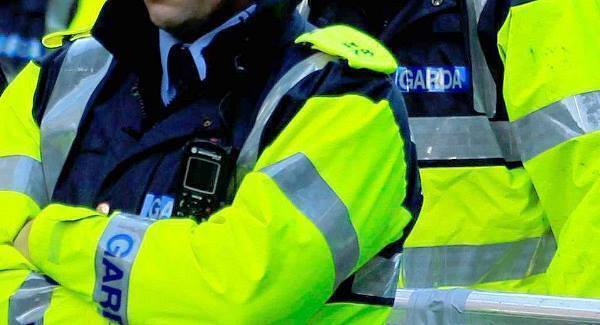
The Garda Inspectorate said “hundreds of thousands” of garda hours were being “wasted across the country” on administrative duties – instead of being used to protect communities.
In a snapshot survey it found that less than half of 999 calls on a selected Saturday night in four garda divisions were responded to within 15 minutes and that there were “insufficient units at peak demand times”.
The report, Changing Policing in Ireland, said the “culture and structure” of the force has holding back frontline gardaí from doing their jobs.
And in a damning indictment of Garda Headquarters, chief inspector Bob Olson said there had been “minimal and ineffective structural changes” in response to previous reports and inquiries.
At the launch of the 400-page report, it also emerged:
- Gardaí have no cybercrime unit and “no cybercrime capacity” for what was an “emerging threat” globally;
- The Computer Crime Investigation Unit still has a four-year waiting list for many investigations — putting serious child sex abuse and indecent imagery cases at risk
The report said that, of the 12,700 gardaí, only 83% (around 10,500) were deployed on the frontline, compared to almost 93% in many police forces.
“Unlike other police services, the Garda Síochána is not protecting frontline services,” said deputy chief inspector Mark Toland.
The report said that only 14% of total garda staff comprised of civilians, compared with 26% in the North and 31% in the London Met.
Mr Toland said that 250 gardaí could be released from administrative duties “within days or weeks”.
The report pointed out that calls to increase civilianisation went back as far as 20 years. Mr Olson said a confidential internal Garda report from 2012 estimated that 2,000 garda positions could be civilianised.
The inspectorate called for the current structure of eight regions and 28 divisions to be cut to three regions and around 15-18 divisions.
Detailed research conducted on two days in August 2014 — Tuesday at 11am and Saturday at 11pm — showed that less people were working on Saturday night than Tuesday morning, despite their being overlapping rosters for Saturday night.
The report found that half of all divisions on Saturday night had no inspector on duty and a quarter had no sergeants on patrol.
It said a third of all districts had no full-time community policing gardaí assigned — and that 328 of the 540 nationally were in Dublin. It said there was a “two-tier” system with rural areas significantly disadvantaged.
Mr Toland said the new roster system introduced in 2012 was a major factor.
He said Garda computer technology was some 30 years behind that of Britain and the US.
Mr Olson said the “vast majority” of gardaí wanted to deliver a good service — but that “structure and the culture are inhibiting garda visibility, change and modernisation”.
He said: “Many staff view their organisation as insular, defensive and operating a blame culture, that results in leaders that are risk averse in making decisions.”
Mr Toland said that 75% of the 81 recommendations involved “no cost or limited cost” and could be done with a “flick of a switch”.