Small copper coins come a cropper
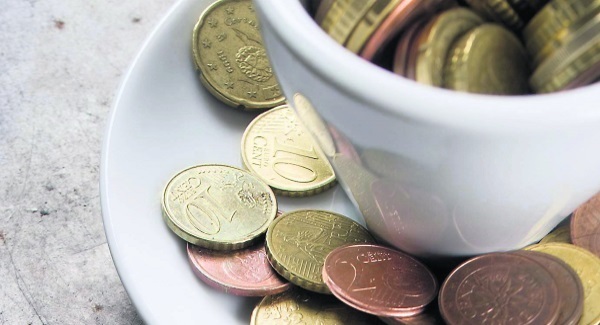
The Central Bank confirmed plans to go nationwide with a scheme which allows retailers to round bills up or down to the nearest five cent with the consent of shoppers.
Since the euro was introduced in 2001 Ireland has spent €37m issuing 1c and 2c coins — minting the coppers at three times the rate of the rest of the eurozone.
However, the initiative to reduce the need for coppers is voluntary and consumers will retain the right to pay the exact bill and request their exact change.
Ronnie O’Toole, of the Central Bank, said: “The reaction so far to rounding has been fantastic.
“As a country we are good at making changes like this. We migrated to the euro ahead of most other countries, and the indications so far are that consumers and retailers alike will embrace rounding.”
The Central Bank insisted that rounding would only apply to cash transactions and not to credit card, electronic or cheque payments and it would also only be used on the final cash total of a bill and not to individual goods.
As examples, it said final bills ending in one and two cents or six and seven cents would be rounded down to the nearest five and those ending in three and four cents or eight and nine cents would be rounded up.
Other rules on the rounding scheme include that 1c and 2c coins remain legal tender.
The nationwide initiative begins on October 28.
It follows a successful trial in Wexford in 2013, which showed that 85% of consumers and 100% of retailers in Wexford who expressed an opinion wanted rounding rolled out nationally.
Six EU states have adopted a symmetrical rounding policy: the Netherlands, Sweden, Finland, Denmark, Hungary, and Belgium.
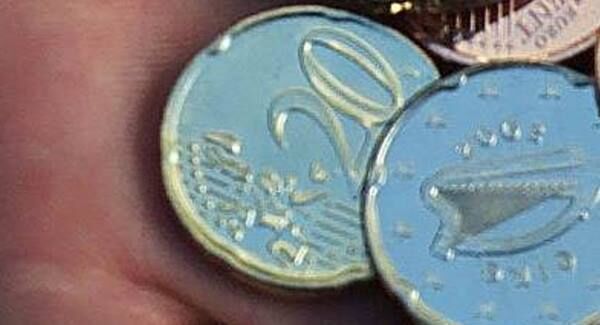
Most bank branches will continue to accept coin lodgements once they are fully bagged in the correct denominations.
However, in recent years some banks have brought in restrictions that make it more difficult for people to return coins. For example, since October 2013, Bank of Ireland can only accept coin lodgements in branches on Tuesdays from 10am until 12pm and all day Friday. The coins need to be fully bagged and in the correct denominations.
Bank of Ireland and AIB have restricted coin handling services for business customers since 2013.
Old Irish coins up to the value of £500 may be exchanged, at the discretion of the Central Bank, at its Dame St offices or by post. Amounts over £500 can only be exchanged by post or by prior arrangement with its currency issue department.
CONNECT WITH US TODAY



Be the first to know the latest news and updates