Correcting vision in children with dyslexia ‘unlikely to help’
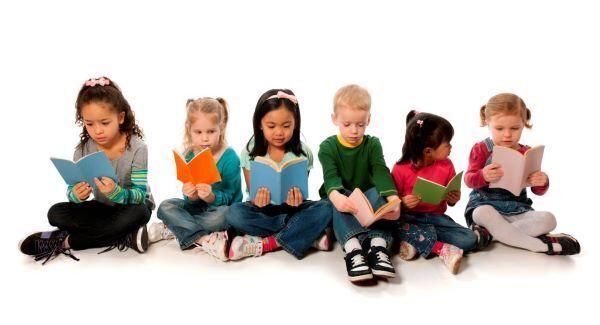
Correcting vision problems in children with dyslexia is unlikely to have any effect on the condition, research has shown.

Correcting vision in children with dyslexia ‘unlikely to help’

In the first study of its kind, scientists found no evidence that visual deficiencies are linked to severe cases of “word blindness”.

The results call into question the value of common private treatments that can cost thousands of euro. Many experts had already cast doubt on the effectiveness of the therapies, which typically involve the use of coloured lenses and overlays and eye exercises.

The research, published in the journal Pediatrics, tested whether the supposed connection between dyslexia and eyesight problems was based on fact or just a myth.

Lead author Dr Cathy Williams, from the University of Bristol, said:

“Some practitioners feel that vision impairments may be associated with dyslexia and should be treated...

Families now might want to ask: What visual impairment is actually being treated, how is it measured, and what is the evidence that treating it will help a child with dyslexia?”

Dyslexia is a specific learning difficulty which affects the acquisition of fluent and accurate reading and spelling skills and, according to the Dyslexia Association of Ireland website, about 10% of the population, or 400,000 people are affected. It can have lifelong impacts on education, relationships, and employment prospects.

The scientists analysed the results of eye tests conducted on 5,822 English seven and eight-year-olds. Each was given a reading assessment at age nine, which revealed that 3% had severe and 8% moderate dyslexia.

The results were compared with those from 5,650 other children of the same age whose reading ability was normal.

More than 80% of the dyslexic children showed no evidence of a vision problem, the researchers found. Tests were carried out for squint, 3D imaging, long and short sightedness, contrast recognition, and “fusion” — the ability to compose a single picture from two slightly different images from each eye.

DISCOVER MORE CONTENT LIKE THIS

More in this section

Lunchtime News

Newsletter

Get a lunch briefing straight to your inbox at noon daily. Also be the first to know with our occasional Breaking News emails.

Cookie Policy Privacy Policy Brand Safety FAQ Help Contact Us Terms and Conditions

© Examiner Echo Group Limited