Drug-resistant bugs ‘as big a crisis as climate change’
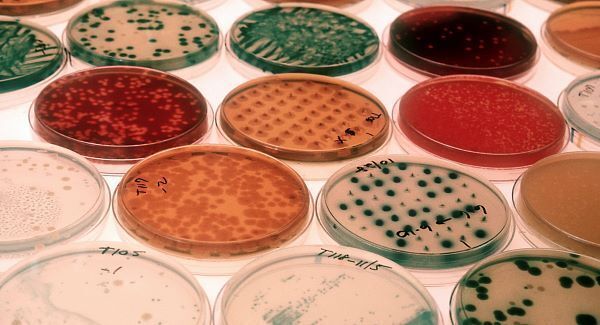
Superbugs have developed resistance to existing antibiotics, so new ones are badly needed. The research being conducted at University College Cork is aimed at ‘narrow spectrum’ antibiotics which target specific bacteria. Speaking at a conference in the college, Margaret Chan, head of the World Health Organisation issued a stark warning on the crisis of antibiotic-resistant superbugs, saying we could be witnessing the “end of modern medicine as we know it”.
Colin Hill, from the School of Microbiology in UCC, said the vast majority of bacteria were good. Traditional antibiotics killed all the bacteria good and bad, but new targeted medicines would only kill the bad bacteria.

CONNECT WITH US TODAY



Be the first to know the latest news and updates