Drug cures hair loss in alopecia patients
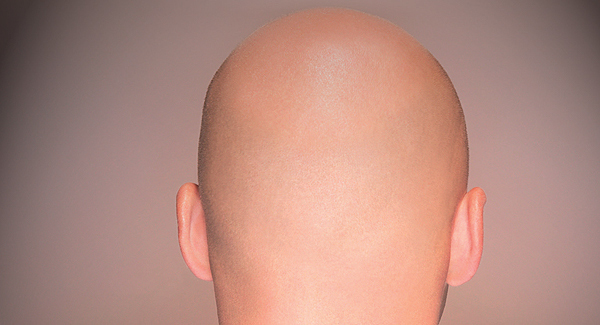
Now, research suggests that a drug already used to treat people with other conditions could restore hair growth in patients with one disease that can cause hair loss.
In a study, three people who took a drug called ruxolitinib daily for four to five months saw a complete re-growth of their hair. The patients had alopecia areata, an auto-immune disease that causes the loss of hair from the scalp or other areas of the body.
The drug used in the study is already approved by the US Food and Drug Administration to treat people with myelofibrosis, a bone marrow disorder.
The study also determined the cellular mechanism that causes hair loss in people with alopecia areata.
“Additional clinical trials are needed to test the effectiveness of this drug in more patients in larger studies,” said study author Angela M Christiano, a professor of dermatology and genetics at Columbia University in New York.
“However, for patients with alopecia areata, this is an exciting result, because it offers a potential new class of drugs that have not been tried before in this disease, with some promising early results.”
There is currently no approved treatment that can restore hair in patients with alopecia areata, which usually starts with the loss of small patches of hair on the scalp. In some cases, the condition can lead to the loss of all hair on the scalp or body.
The course of the disease is highly unpredictable —patients’ hair may grow back and fall out again at any point — and differs from one patient to another.
Researchers already knew that hair loss in people with alopecia occurs when cells of the immune system attack the base of the hair follicles. However, until now, it was not clear which type of cell was responsible for this attack.
In the study, investigators found that a certain set of T cells are responsible for attacking hair follicles, and they also determined how those cells receive instructions to attack hair follicles. The investigators identified key immune pathways that could be targeted by drugs called JAK inhibitors.
Prior to the testing the drug on people with alopecia, the researchers tested two JAK inhibitors — ruxolitinib and tofacitinib— on mice with extensive hair loss from the disease, and found that the drugs effectively stopped the attack of T cells on hair follicles. Within 12 weeks of treatment, the drugs completely restored the mice’s hair, and the hair remained for several months after stopping the treatment.
When the researchers tested ruxolitinib in the three people with the disease, they found that the attacking T cells disappeared from their scalps, and the patients regrew their hair. No adverse effects of ruxolitinib were detected in the trial.
CONNECT WITH US TODAY



Be the first to know the latest news and updates