‘Lack of quality’ in standard of early childcare
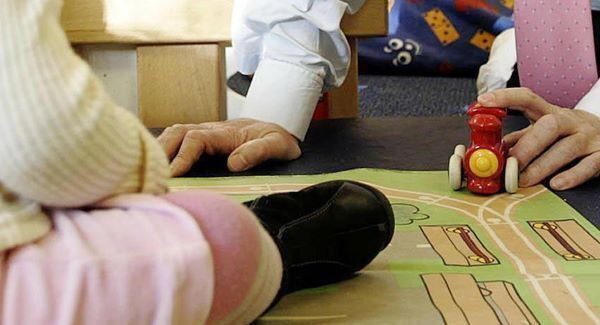
Association of Childhood Professionals chairwoman Marian Quinn said at its annual conference that childhood professionals have been urged to unite and “find their voice” to drive reforms required in services.
“Some €320m has been taken out of early childhood care and education in recent years,” said Ms Quinn. “In many services practitioners hours are being cut and they are maintaining quality through voluntary hours.

“As professionals we need to come together as one voice and engage constructively with government and public agencies. The Government must realise that quality costs money and support serious investment in early years care and education.”
There are an estimated 25,000 childhood professionals working across the country and 4,600 early years centres.
Ms Quinn said any increase in quality of provision since last year’s landmark Prime Time: A Breach of Trust programme has mainly been as a result of the practitioners and providers themselves realising systems are failing.
“We are a large sector of professionals and need to continue to take leadership in developing better services for children and families,” said Ms Quinn. “I encourage practitioners to be the driving force for change.
“I also call on the new Minister for Children, Charlie Flanagan, to consult with us and gain a more comprehensive understanding of the resource level and policy development required to ensure quality for children and families.”
The ACP called for an increase in the qualification standards of childcare staff.
It said the introduction of the minimum Fetac Level 5 qualification standard in September 2015 is a welcome development, but will not help to achieve the European target of a 60% graduate-led workforce by 2020
It said emphasis needs to be placed on supporting the large number of practitioners already holding a Level 6 qualification with routes to Level 7 and 8 programmes. In many parts of the country, courses are not available. Where they are available, they are prohibitively expensive.
The ACP emphasises the registration system for early years services is technically in place, but all services were deemed registered regardless of whether they are compliant with regulations or not.
The association says there is an urgent need for a more robust, consistent, and regular inspection system.
“The inspectorate has been increased through the employment of additional public health nurses,” said an ACP statement. “However, the proposed model means that inspectors will be lucky to complete two inspections per week. At this rate, the inspectorate will not be able to cover services in a reasonable timeframe.
“Inspection reports are being published online and while ultimately this will be a good thing, inspectors are spending so much time getting reports ready to be published that they are not carrying out enough inspections.”