‘Nothing to indicate’ gardaí engaged in surveillance of GSOC
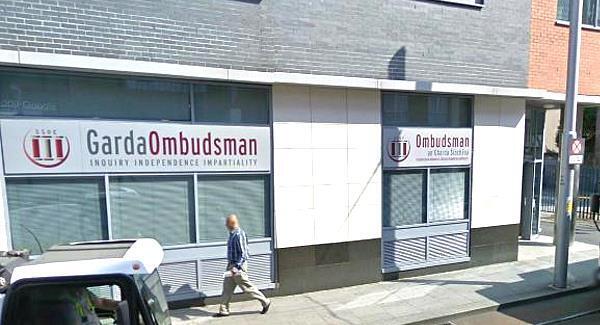
In a new twist in the GSOC controversy, Mr Shatter said the briefing which stimulated the security sweep by British firm Verrimus was “contaminated” by a mistaken understanding by ombudsman staff of the reasons espoused by its chairman, Simon O’Brien.
Speaking at the Oireachtas Public Service Oversight Committee yesterday, Mr Shatter also described as “genuinely confusing” comments made by Garda Ombudsman commissioner Kieran FitzGerald in which he declined to exonerate gardaí of involvement in suspected bugging.
Mr Shatter said those comments “helped add to the narrative that gardaí were engaged in some sort of surveillance”.
Mr Shatter consistently criticised GSOC’s basis for setting up a public interest investigation to establish if the suspected surveillance may have originated inside An Garda Síochána and involved gardaí.
He said the ombudsman established this investigation after two technical anomalies were discovered by Verrimus in a sweep of GSOC offices.
Mr Shatter said he and two senior department officials raised these issues with Mr O’Brien last week: “We did have concerns about the proportionality of making that decision at that moment, in circumstances where there was nothing at all to indicate garda involvement. It’s difficult to understand why that decision was made.”
He said there had to be “some basis” for this suspicion, adding that the attitude “we think it might be” was not enough.
During a testing appearance over more than four hours, Mr Shatter said that when “you cut through the issues, there’s no substantive evidence” the three anomalies identified by Verrimus constituted surveillance.
He cited a review of the Verrimus report by Irish security firm Rits, sought by his department, which he said had found “no evidence at all” of any surveillance.
On a separate matter, Mr Shatter said that when Mr O’Brien briefed staff in 2013 about the reason for hiring Verrimus, two members were under the impression “wrongly” that their security system had been breached and that something had been said by a senior garda that he shouldn’t have known.
He said that misunderstanding “contaminated” the brief given to Verrimus and that this “had an impact on the work” of the firm.