‘End political interference in appointing judges’
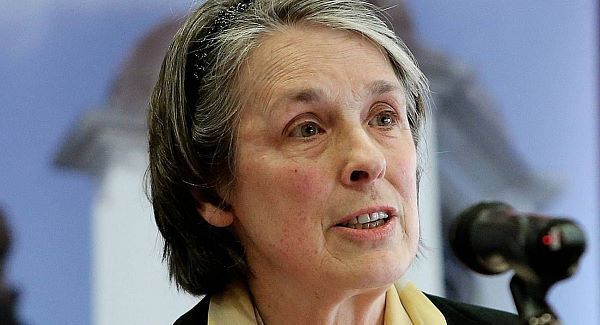
The chief justice has called for a radical overhauling of the way in which judges are appointed, warning that “political allegiance should have no bearing on appointments.”

‘End political interference in appointing judges’

In a report that is sharply critical of the system, Chief Justice Susan Denham calls for a merit-based judicial appointment system enshrined in law.

The existing system is “now demonstrably deficient” and “must be reformed if it is to achieve the objective of securing the selection of the very best candidates,” she said.

Pointing to the high ranking of Ireland’s legal system internationally, she said: “It is increasingly clear that the success of the administration of justice in Ireland has been achieved in spite of, rather than because of, the appointment system.”

In a submission to the Department of Justice and Equality on behalf of the Judicial Appointments Review Committee, which she chairs, Chief Justice Denham said: “Public confidence that justice will be administered fairly by persons of the highest quality and integrity is vitally important in maintaining the confidence of citizens in the State. The judicial appointments system needs to change to ensure this is so, and is seen to be so.”

She warned all judicial appointments should involve “comprehensive scrutiny by an independent body, composed of members of the highest standing and respect”.

The appointments committee wants a “high-level body” established to carry out research, receive submissions and develop proposals on how the improved process will work.

It also said the Judicial Appointments Advisory Board must be reformed so that only three candidates can be shortlisted by the board for consideration by the Government when a post becomes vacant.

It said the advisory board should be able to rank candidates and mark a particular person as “outstanding” if necessary.

It was also recommended that appointment to the higher courts should be via the advisory process of the board and sitting judges seeking promotion should be appointed through it.

UCC lecturer in constitutional law, Seán Ó Conaill, said as it stands, the Cabinet do not have to pick a judge based on the suggestions made by JAAB, which is appointed by the Government.

“The Government has to consider the names but it doesn’t have to pick one of them. These names aren’t published at all and it is widely perceived that all appointments are blatantly political. We have a Constitution that in Article 34.1 and 35.2, however, places great emphasis on the independence of the judiciary and this does allow them to cast aside political affiliations once in place.”

The review committee also calls for the establishment of a Judicial Council, similar to the Bar Council.

This could represent judges, ensure independence, provide an independent disciplinary process, oversee education and play a role in the appointment of judges. Ireland is now one of the few European countries which does not have a Judicial Council.

It also recommends that potential judges have a minimum of 15 years’ experience as solicitors or barristers and that judges seeking promotion should do so through an improved independent appointments system. It also wants judicial education to be properly resourced.

The committee also highlights the consequences of cuts to judicial pensions, warning that for high-paid solicitors and barristers, the post of a judge is becoming increasingly less financially attractive.

x

More in this section

Lunchtime News

Newsletter

Keep up with stories of the day with our lunchtime news wrap and important breaking news alerts.

Cookie Policy Privacy Policy Brand Safety FAQ Help Contact Us Terms and Conditions

© Examiner Echo Group Limited