Public cynical of ‘auction politics’, says Varadkar
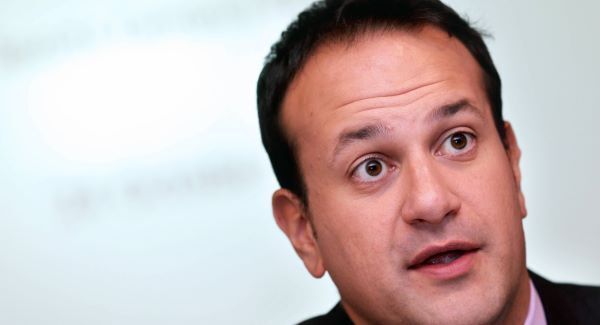
He also warned of any future incentives for developers that might “over-stimulate” the construction sector. He claimed there would be a reduction for the first time in the numbers of homeowners with mortgage arrears, in the first months of next year.
His comments came as the Coalition prepares to release its six-year plan up until 2020.
It will include a focus on job creation, work “activisation” measures, further reform of the welfare system to get people back to work, and a goal to reach full employment.
Mr Varadkar said the strategy would go through Ireland’s fiscal strategy for the coming years and how the economy could be helped to grow.
“The big shift though is that unlike the troika programme, the focus here is going to be on jobs, on full employment and on increasing living standards and not just on the deficit and the debt,” he told Newstalk radio.
Over the weekend, ministers added individual touches to department areas ahead of the plan going to the Cabinet tomorrow for final approval.
The 40-page document will be published either tomorrow or on Wednesday, sources said. It will commit to reducing employment by nearly two thirds, to just over 4% by the end of the decade.
“It is intended that the plan will send a signal to the markets that there remains fiscal responsibility here,” said a government source. However, there will be few specifics in the plan.
Mr Varadkar said the Government wanted to see something given back to Irish citizens. He played down the idea that economic pledges were being made in order to buy votes.
“People are rightly cynical about that sort of thing; I think it could backfire. I’d be very cautious about [that].”
The minister said Ireland was in a very secure position even compared to some European countries that had not signed up to emergency programmes and was “back on track”.
People spending money and going back to work would improve Ireland’s budget outlook, he told RTÉ’s This Week. But there were many factors, including international ones, that could affect the scale of adjustments needed in the next budget, he predicted.
Mr Varadkar said he was certain there would be a slowdown in the number of people with mortgage arrears at the start of next year.
The rise of property prices in Dublin, while a problem for those not yet on the property ladder, would also benefit banks and ultimately lessen their need for further capital injection, he added.