Kate’s plight sparks row in the Dáil
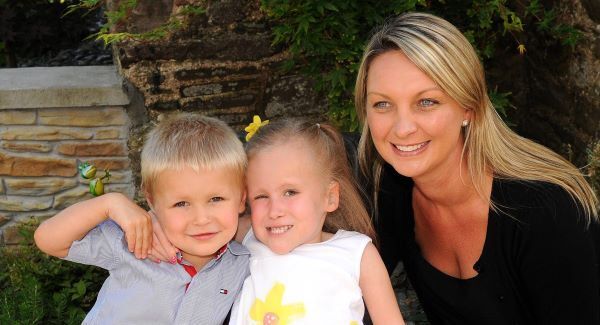
The case of wheelchair-bound Cork girl Kate Crowley was raised by Fianna Fáil leader Micheál Martin, who condemned the fact she was denied a special needs assistant, even though she has spinal rods, severe respiratory conditions and hearing problems.
Mr Martin said the child faced an “extraordinary set of challenges,” and it appeared as if the system generally was tailored so parents had to “fight” for the care their children needed.
“There is something fundamentally wrong with the system when a girl like Kate Crowley is refused a special needs assistant.
“She was ultimately told that she could have access with five other children to a special needs assistant,” Mr Martin said.
Tánaiste Eamon Gilmore insisted that the Government had moved to protect special education funding, which stands at €1.3bn.
The Labour leader, who was answering Leaders’ Questions on behalf of the Government, said 10,575 special needs assistants, and 5,265 resource teachers, were operating, and that 118 new special classes were opening this month to cater for 700 children at primary and post-primary level.
The Tánaiste said a report, to be released next month, will asses why “protection of resources” does not appear “to be translated on the ground” in some cases.
Mr Gilmore’s remarks that Education Minister Ruairi Quinn was not aware of the Crowley case provoked surprise from Mr Martin, who said he had written to the minister about the matter recently.
The Fianna Fáil leader said the Government appeared out of touch with the reality of the situation.
The FF leader asked for an extension in the deadline by which schools must apply for special needs assistants, which was Oct 15 last year, but is today this term.
“By definition, therefore, the Government is putting more pressure on schools, parents and children in this regard. The shortening of the deadline is a back-door way of implementing unacceptable cuts. The problem with the deadline is that, with new children starting, needs can emerge through diagnosis and monitoring by teachers in a school,” Mr Martin said.
The Tánaiste said the earlier deadline was to “enable the difference between the making of the general allocation which has been protected and what is happening on the ground in individual schools to be shortened in order that the matter can be addressed quickly and resources can be deployed to where they are needed.”

CONNECT WITH US TODAY



Be the first to know the latest news and updates