Half of male suicides worked in construction
Almost half of men who died by suicide in recent years had been working in the construction industry, a study has found.

Half of male suicides worked in construction

Calls have been made for greater awareness in the workplace after the analysis also showed a quarter of women who took their lives had been employed in the healthcare sector.

The study examined 275 suicides and 32 open verdicts recorded by coroners across Cork City and county between Sept 2008 and Jun 2012. It found 80% were men, 57% were single men, and almost half (48.6%) had worked in the construction/production industry.

Specific risk factors associated with suicide among men under 40 were unemployment (39.5%), drug abuse (29.4%), and history of non-fatal self-harm (31.3%).

Risk factors more strongly associated with suicide among men aged over 40 included history of alcohol abuse (76.5%), physical illness (38.3%), and diagnosis of depression (31.5%).

Of the 61 women who the study found to have died by suicide, the majority had been married/cohabiting, 26.5% worked in healthcare, and they were more likely to be diagnosed with depression.

Professor Ella Arensman, of the National Suicide Research Foundation in Cork, called for more awareness of risk factors associated with suicide, mental health problems, and openness in relation to help-seeking behaviour among professionals in healthcare settings.

The study found more women than men had drugs, often prescribed, in their system when they died — 53% compared with 30% — while more men had drunk alcohol beforehand, 41.9% compared with 17.5% of women.

For men and women a history of self-harm was known in 132 cases, a psychiatric diagnosis in 123, 121 had had inpatient psychiatric treatment, 165 suffered a physical illness, and the presence of alcohol and/or drugs was known in 173.

A third of suicides happened on a Saturday and Monday, highlighting the increased risks after drinking alcohol.

The study into self-harm rates in 2012 found the national male rate was 195 per 100,000, down 5%, while it rose 1% for women to 228 per 100,000.

It revealed the number of men attempting to take their lives in Cork City was almost twice the national average, while it was 43% higher than the norm for women.

Limerick City was also twice the national average, with high rates of deliberate self-harm also found among men in Louth and Kerry, and women in south Dublin, Wexford, and Leitrim.

Gerry Raleigh, director of the National Office for Suicide Prevention, said more work needs to be done to break the trend between alcohol abuse and suicide.

“Alcohol is putting people in to dark places and reinforcing negativity for people and helplessness,” he said.

Elsewhere it showed a third of men and women who took their lives were unemployed at the time, with four out of ten in work, 11% retired, 7% students, 5% had a long term disability and 3% were homemakers. Overall, four out of ten had worked in construction/production, followed by agriculture (13.2%), sales/business (8.9%), students (8.2%), healthcare (6.%), and education (3.9%).

Meanwhile, researchers found while the number of hospital cases dropped slightly, the proportion of people self-harming several times rose to a fifth of all incidents. Figures showed 118 people self-harmed at least five times, 24 were rushed to hospital at least 10 times, and the rate of repetition within three months was 17%.

“Repetition of self-harm is a strong predicator of future suicide, and so the correlation between rates of repetition and suicide rates of region warrants further investigation,” researchers said.

Suicide cluster

Within a three-month period, a small area of West Cork experienced a suicide every week.

The 13 deaths, in successive weeks in 2011, was the worst cluster recorded in the country.

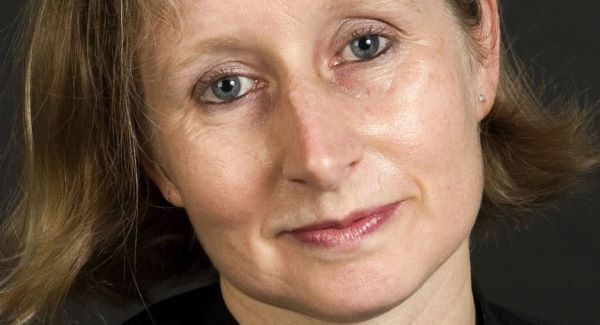
The tragedies, all within a distance of 23km, were revealed in analysis carried out by the National Suicide Research Foundation and published during a Department of Health briefing attended by Minister Kathleen Lynch, right. The study focused on the risk of copy-cat or “contagion” suicides in Co Cork.

It showed 13 deaths were recorded between Apr and Jun 2011, in a single 23km area.

x

More in this section

Lunchtime News

Newsletter

Get a lunch briefing straight to your inbox at noon daily. Also be the first to know with our occasional Breaking News emails.

Cookie Policy Privacy Policy Brand Safety FAQ Help Contact Us Terms and Conditions

© Examiner Echo Group Limited