Generic drug law could see prices fall by up to 20%
The Health (Pricing and Supply of Medical Goods) Act 2013 means pharmacists will be able to select a lower priced medicine than that prescribed by a medical practitioner.
According to the ESRI report on pharmaceutical prices, prescribing practices, and generics, the increased availability of generic drugs has not led to substantial savings for cash paying patients — up to now.
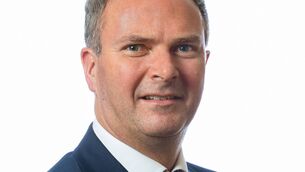
ESRI research professor and report co-author Paul Gorecki, predicted prices could fall by as much as 20% with the introduction of generic substitution on a phased basis later this year.
The act allows pharmacists to substitute medicines prescribed, provided they have been designated as safely interchangeable by the Irish Medicines Board (IMB)
The IMB will initially review 20 active substances, which equates to around 1,500 individual medicines.
In 2011, the State spent €1.9bn on payments to pharmaceutical companies.
Prof Gorecki said the most recent information suggested that the average claim had fallen with more drugs coming off patent.
He said more information should be available in pharmacies so cash paying customers were aware of the choice and cost of drugs that are available.
He suggested that the National Consumer Agency could begin to make consumers aware of the drug price differences.
The researchers had access to the data showing the dispensing frequency of all drugs by volume on a monthly basis for each of the main programmes administered by the HSE.
Prof Gorecki said the prescribing data should be published regularly as was the case in Britain.
“We suggested it should be done. After all, we are supposed to be more evidence based in the way we make policy decisions,” he said.
The report raised a number of concerns about the increasing use of patient access agreements — where prices are negotiated for certain drugs between the State and manufacturers but kept confidential.
Prof Gorecki also expressed concern that the €45,000 threshold — the value placed on a life — was being exceeded for some of the more expensive drugs.
He said there must be some indication of the prices paid because it could be at the expense of fore-going other benefits in the health care system.
The Irish Pharmaceutical Healthcare Association (IPHS), which represents manufacturers of branded medicines, said the ESRI report mirrored a recent study it commissioned.
The IPHS study showed the price of generics in Ireland was particularly high compared to other European countries.
An IPHA spokesperson said that with the new legislation, there was great scope for recouping savings from generics of as much as €70m in a single year.
The new supply agreement between the State and the IPHA commits to a mechanism to deliver €400m in savings to the State up to 2015.
*Market share of generic drugs doubled between 2010 and 2012, reaching 50%.
*Increased generic penetration has not led to substantial savings for the State or cash paying patients.
*Generic prices tend to be the same of those of the brand name.
*Pharmaceutical prices for generic drugs are higher in Ireland.
*Prescribers tend to go for the most expensive pharmaceutical product.

CONNECT WITH US TODAY



Be the first to know the latest news and updates