Cheese ad restrictions ‘would hit dairy sector’
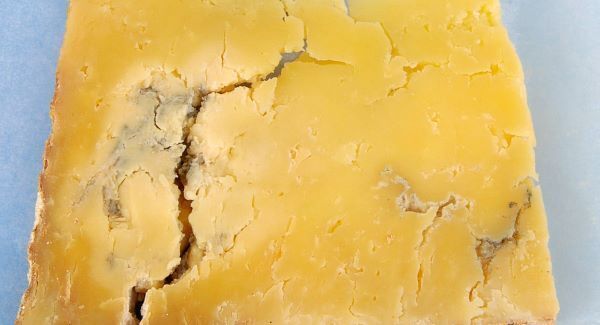
Restricting the advertising of cheese by classifying it as a “less healthy” food could cause huge reputational damage to the Irish dairy industry, it has been claimed.

Cheese ad restrictions ‘would hit dairy sector’

The Broadcasting Authority of Ireland (BAI) is reviewing the marketing of food and drink to children and plans to use Britain’s nutrient profiling model as a way of categorising foods.

Speaking about the proposals to the joint Oireachtas committee on communications, natural resources, and agriculture, Maeve Guthrie, the chief executive of the National Dairy Council, said if the BAI proposal went ahead using this flawed food classification model it would lead to potentially major reputational issues with economic consequences.

“The latest BAI proposal suggests that most cheeses — including half-fat or full-fat varieties — would be subject to enforced advertising restrictions. However, the issue in relation to cheese is much broader than ‘how much’ is spent on Irish television advertising cheese or ‘when’ cheese is advertised,” said Ms Guthrie.

“If the BAI proposal proceeds, it creates a scenario where Ireland would be trying to export and sell into overseas markets increased volumes of a product that is classified as ‘less healthy’ on the home market. This creates major issues for an important food group and contributor to the Irish economy.”

Ms Guthrie said Britain’s model should not be used here as it was mainly a cheese importer, while 90% of Ireland’s cheese produce was exported.

“The Food Harvest 2020 Report anticipates growth in Ireland’s dairy sector of 50% and it is hoped that growth will come from increased cheese production for export markets, an export trade which depends on the reputation as well as the quality of Irish cheese,” she said.

Catherine Logan, a nutritionist with the dairy council, said the BAI proposals would create consumer confusion regarding a healthy diet.

She pointed to research which showed that while the prevalence of overweight and obesity among children and teenagers had doubled between 1990 and 2007, the average cheese consumption in this period remained broadly static.

“If the BAI proceeds with the British nutrient profiling model, most cheeses would be subject to broadcast advertising restrictions but, more significantly, cheese would be officially categorised as ‘less healthy’. The same model indicates diet cola as being healthier and therefore would be freely advertised,” she said.

The committee chairman, Andrew Doyle, said its members were in support of the stance taken by the dairy council. “While childhood obesity has been increasing, cheese intake has flatlined, indicating no correlation between cheese consumption and obesity levels.”

“The committee unanimously takes on board the [dairy council’s] compelling evidence that insufficient calcium intake amongst Irish children is a public health nutrition concern. Our committee will make a forceful and common sense contribution to the BAI consultation,” he said.

More in this section

Lunchtime News

Newsletter

Keep up with stories of the day with our lunchtime news wrap and important breaking news alerts.

Cookie Policy Privacy Policy Brand Safety FAQ Help Contact Us Terms and Conditions

© Examiner Echo Group Limited